What Is A Velcro Patch And Why Is It So Versatile?
A Velcro patch is the backing customers ask us about most when the same design has to move between a jacket, a vest, or a pack. It looks like a normal patch from the front and grips a loop panel from the back. In this guide, we explain what a velcro patch is, how it works, and when a sewn patch is the better call.

Key Takeaways
- A Velcro patch is a removable design with hook material sewn to the back, meant to grip a loop panel on a garment or piece of gear.
- The hook side sits on the patch, the loop side sits on the item, and the patch itself can be embroidered, woven, printed, PVC, leather, or chenille.
- Hook-and-loop grip fades over time as the hooks flatten and the loops fill with lint. It's the right pick when the design will move, and the wrong one when it never will.
- We supply high-quality custom Velcro patches in every material and border style, at competitive prices with generous bulk discounts for teams, brands, schools, and events.
Table of contents
-
What Is A Velcro Patch?
-
How Does A Velcro Patch Work?
-
What Are Velcro Patches Used For?
-
Where Do You Put Velcro Patches?
-
What Types Of Velcro Patches Are Available?
-
What Are The Benefits Of Velcro Patches?
-
How Do Velcro Patches Compare With Iron-On And Sew-On Patches?
-
How Do You Apply Velcro To A Patch?
-
How Durable Are Velcro Patches?
-
Can Velcro Patches Be Washed?
What Is A Velcro Patch?
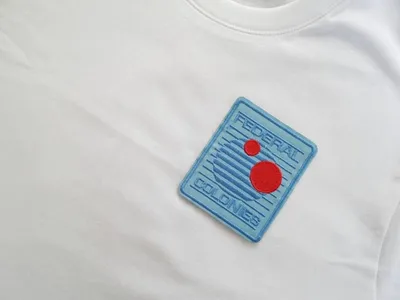
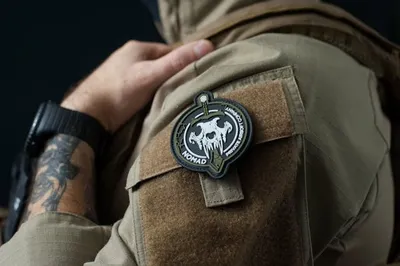
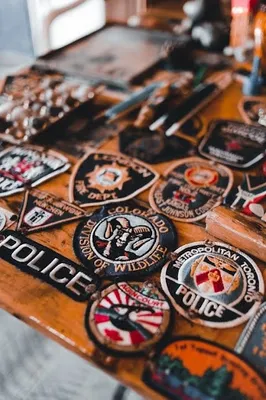
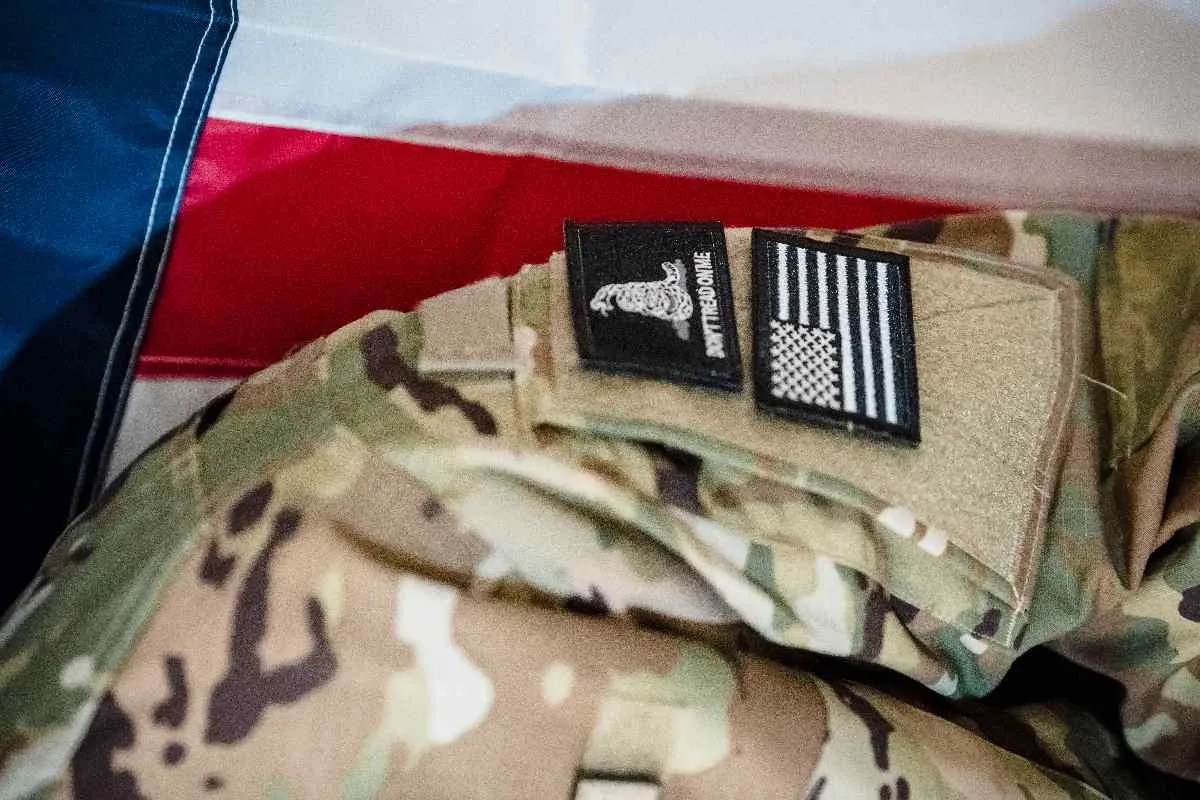
A Velcro patch is a removable badge or patch with a piece of hook material sewn or fused to the back, meant to grip a loop panel on a jacket, vest, hat, or bag. The face of the patch can be any construction we make: embroidered, woven, printed, PVC, leather, or chenille. The backing is what makes it a Velcro patch. That one detail is the whole point. You attach the patch, take it off, and put it back on as often as you like, instead of sewing it on once.
Hook-and-loop is the backing customers pick when the same design needs to travel between more than one piece of gear, or when the design itself may need to change. In the orders we run, that includes rank tabs, callsigns, morale patches, event badges, and brand marks that get swapped seasonally.
What Is A Hook-And-Loop Patch?
A hook-and-loop patch is the same product as a Velcro patch. "Velcro" is a registered brand name owned by Velcro Companies, and "hook-and-loop" is the generic term for the mechanism. According to Velcro Companies' trademark guidelines, the mark refers to the brand, not the fastener type, and the generic term is what we use when we mean the mechanism itself.
For a buyer, the two labels point to the same product. The backing tells iron-on, sew-on, and adhesive patches apart from the hook-and-loop kind, not the label on the packaging. If you want a longer read on the naming, our hook and loop patch meaning guide covers it.
How Does A Velcro Patch Work?
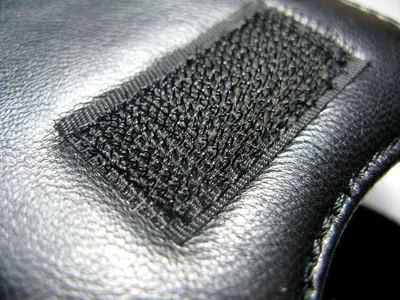
A Velcro patch works by mechanical grip. The hook side is a strip of stiff, tiny plastic hooks. The loop side is a soft field of tangled nylon or polyester loops. Press the two together and the hooks catch inside the loops, holding the patch in place. Pull the corner and the hooks release, one row at a time, so the patch peels off cleanly and can be pressed back on somewhere else. Once a loop panel has been installed, the patch attaches to it without additional sewing, ironing, or adhesive..
Swiss engineer George de Mestral was granted the design patent in 1955, after he noticed how burdock burrs stuck to his dog on a walk. The Smithsonian's Lemelson Center traces the name to the French velours (velvet) and crochet (hook), and the original patent describes forming pile loops and then cutting some of them into hook-shaped ends.
What Is The Difference Between The Hook Side And The Loop Side?
The hook side is the rough side. Run a finger across it and it feels like a stiff plastic bristle. Those are the tiny hooks. The loop side is the fuzzy one, and it feels like a low-pile fleece. When the two press together, the hooks bury themselves in the loops and hold on.
On a finished patch, the hook material is on the patch back, cut about a quarter inch smaller than the patch shape so it stays hidden from the front. The loop material lives on the item: a plate carrier's loop field, a hat's front panel, a bag's morale panel. Ordinary fabric is not a reliable receiving surface and has no loops to grab. Although hooks may catch some textiles, a purpose-made loop panel provides predictable grip and reduces snagging.
Want a velcro patch you can move between jackets and vests?
Work with us to create custom Velcro patches with any design, backing, and border options, in a range of sizes for teams, gear, and everyday carry.
What Are Velcro Patches Used For?
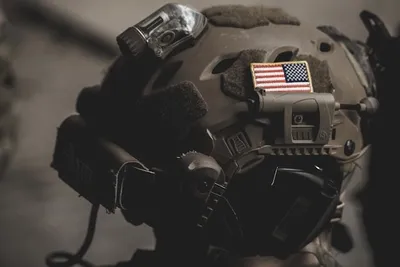
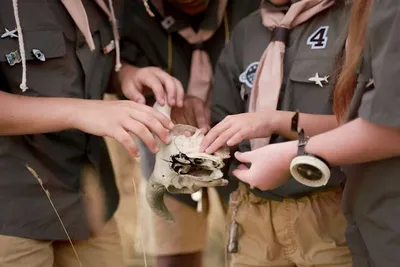
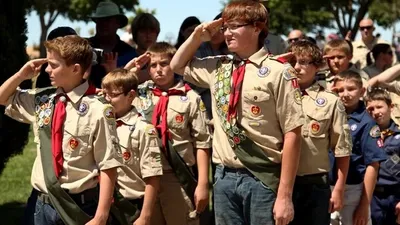
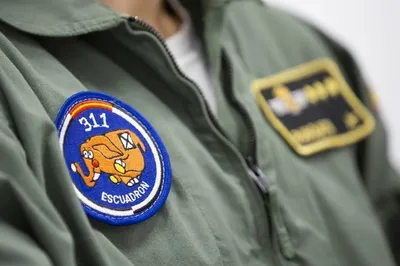
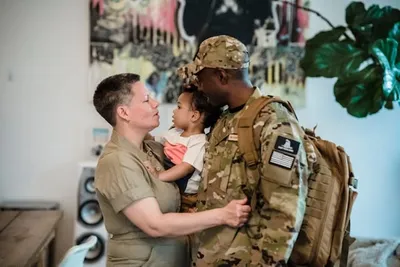
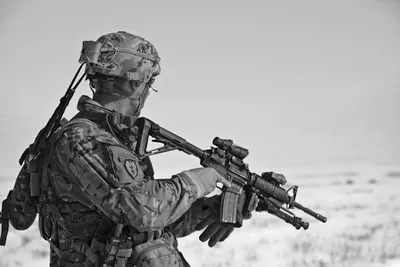
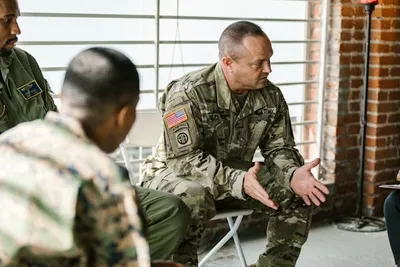
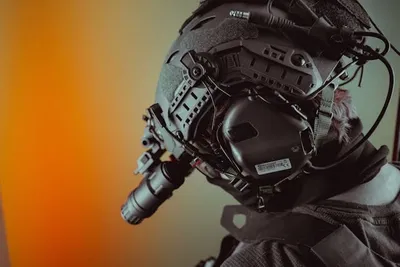
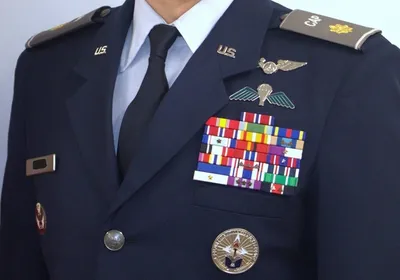
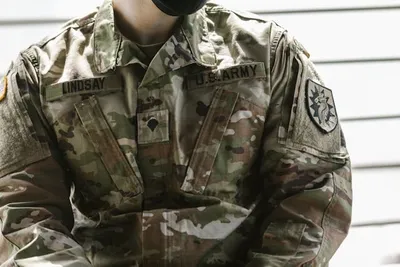
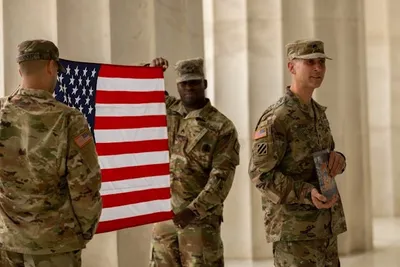
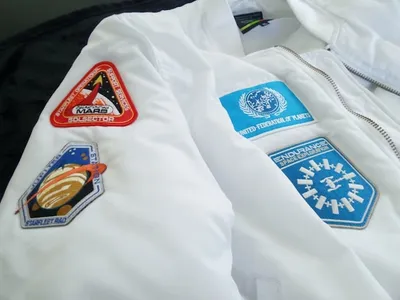
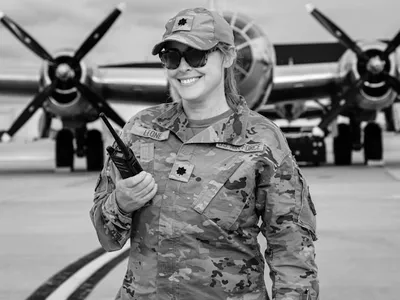
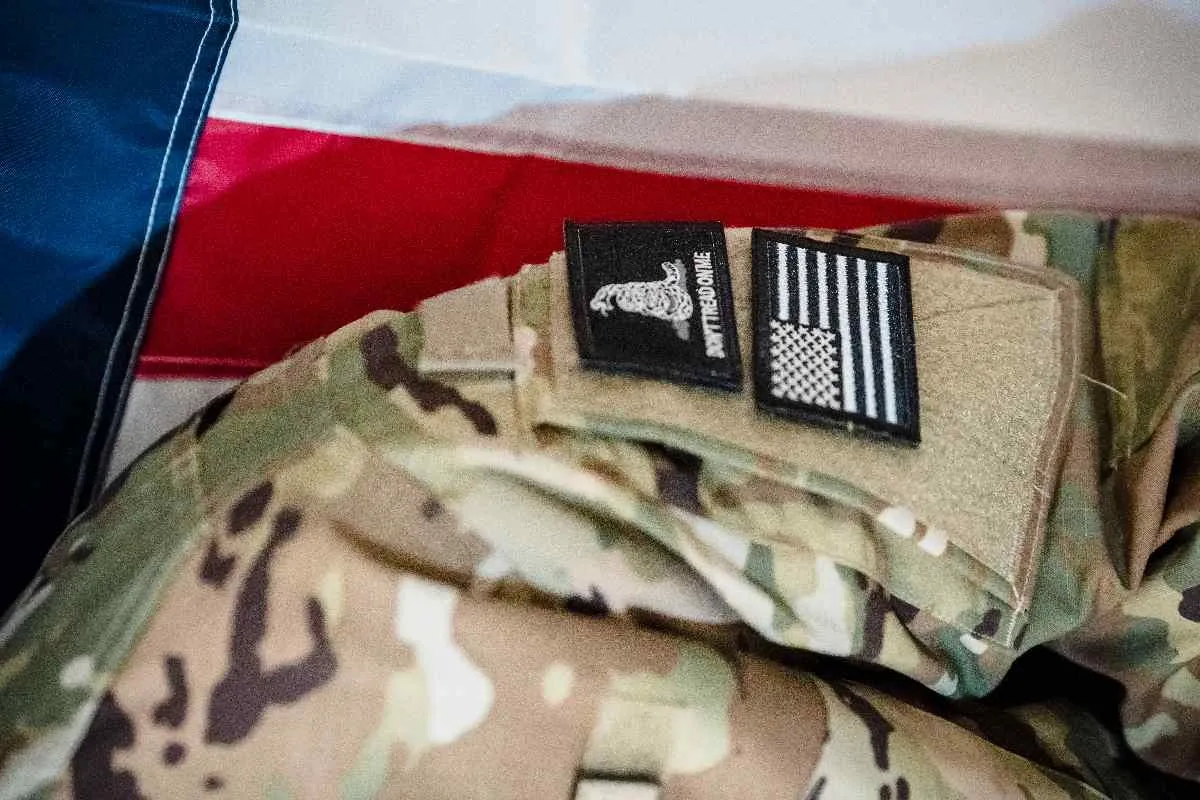
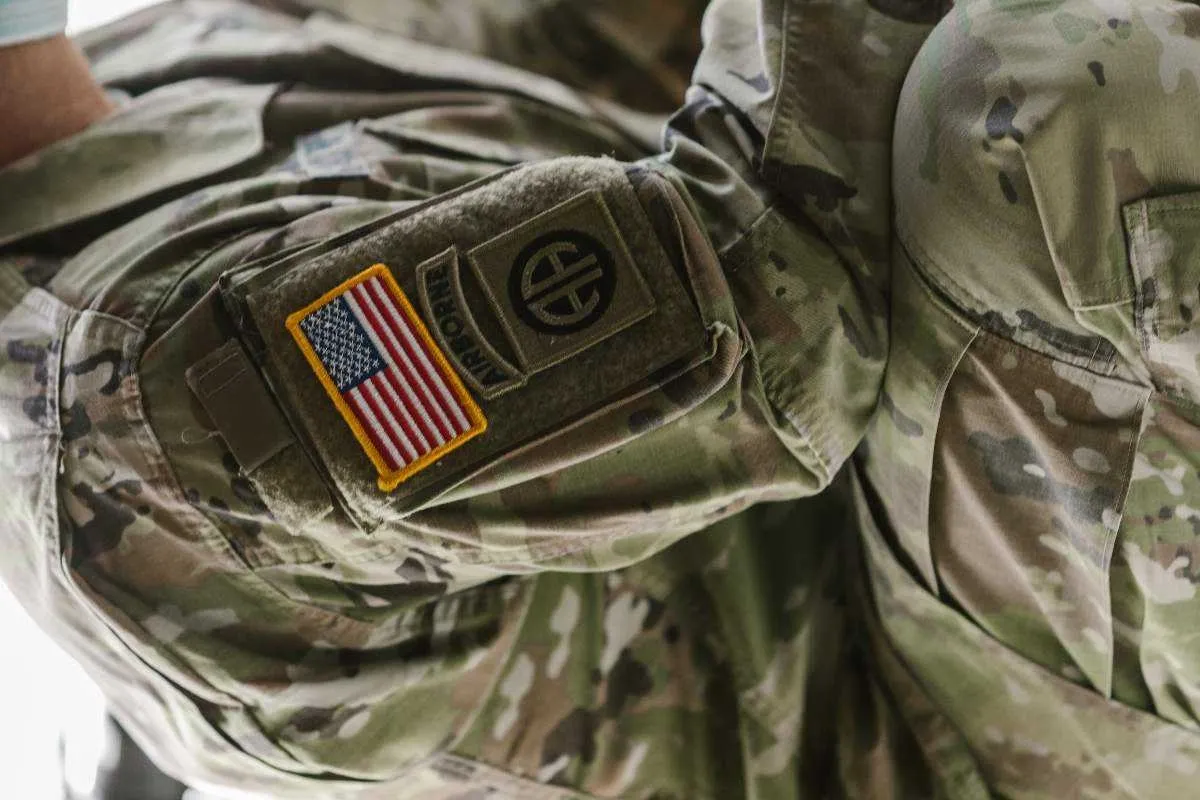
Velcro patches are used wherever a design needs to change. In the orders we run, that covers name tapes, unit and callsign tabs, rank insignia, event and conference badges, morale patches, brand identifiers on staff gear, safety markers on high-visibility vests, and Scouting or club badges on activity kits. The U.S. Army Combat Uniform typically provides hook-and-loop areas for authorized shoulder insignia and the U.S. flag, although regulations also permit certain insignia to be sewn on. Those are the items that change when a soldier moves units.
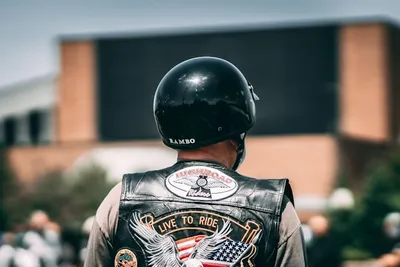
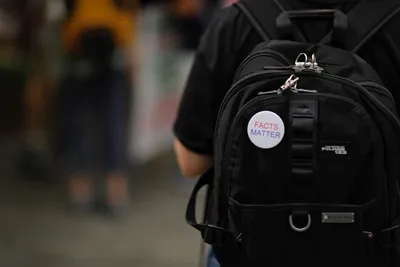
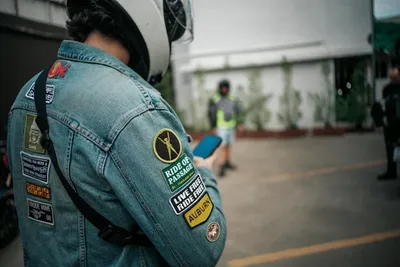
Beyond uniforms, customers use them on everyday gear: backpacks with a front loop panel, tactical caps, motorcycle jackets with sewn-in loop fields, camera bags, dog harnesses, and hydration packs. Work with us to create custom Velcro patches with your logo, callsign, or team name in any style you want, at competitive prices with bulk discounts for teams and events.
What Can You Do With A Removable Patch?
A removable patch lets you rotate identity. The same jacket can carry a work callsign on a weekday, a club patch on a ride, and a flag or humor patch on a trip, without touching a needle. Team leads use hook backing to swap names when staff or roles change, so one vest serves several people over the season.
Beyond swapping identity, a hook-backed patch can cover a stain, a company mark, or a fastener the wearer wants hidden for a shift. Collectors also trade morale patches, which is easier when the patch comes off.
Where Do You Put Velcro Patches?
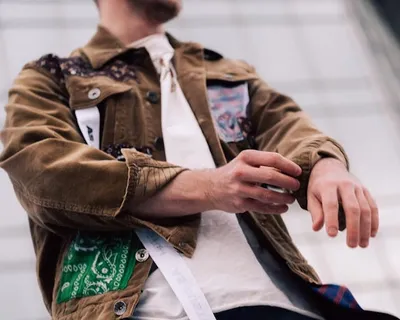
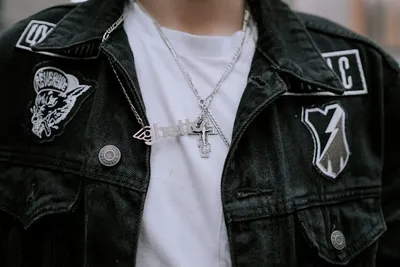
Velcro patches go anywhere with a loop panel. Depending on the design, uniforms and plate carriers may have loop fields on the chest, shoulders, or back. Backpacks, tactical caps, dog harnesses, and technical jackets often have a smaller loop panel on the front. Ordinary fabric won't grip hook tape, so a plain cotton shirt or denim jacket needs a loop panel sewn or glued on first.
Pick a flat area big enough for the full patch, clear of straps, seams, pocket openings, and buckles. Match the patch shape to the loop field: a round patch on a rectangular field leaves a loop showing at the corners, which snags on other gear.
| Item | Measure first | Recommended clearance |
|---|---|---|
| Hat | Flat front loop area | Keep patch inside every edge |
| Sleeve | Usable area between seams | Avoid overlapping seams |
| Backpack | Exposed loop field | Clear straps and zippers |
| Dog harness | Flat loop panel | Avoid buckles and curved edges |
| Plate carrier | Available loop field | Check required insignia positions |
Can You Use Velcro Patches On Backpacks, Jackets And Hats?
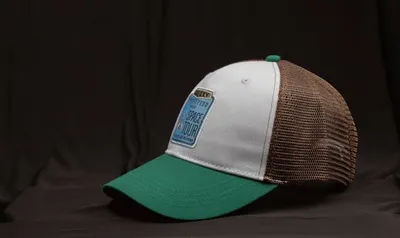
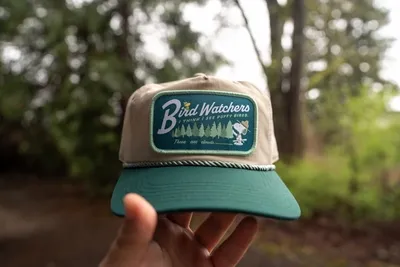
Yes, if the item has a loop panel or you add one. Many outdoor packs, tactical caps, and technical jackets ship with a front loop patch panel that accepts hook-backed patches out of the box. Work with us for custom patch hats or custom patches for jackets sized to standard loop fields, or bring us the loop-field measurements from your gear so we cut the hook to match.
When the item has no loop panel, a sew-on or peel-and-stick loop patch solves it. On thin garments, a sewn loop panel is the more comfortable option because the stiff patch sits on the panel and not against the skin.
Need Velcro patches for a tactical vest or plate carrier?
We make custom Velcro patches for tactical vests, sized to your loop panel so the hook tape stays hidden behind the finished design.
Learn moreWhat Types Of Velcro Patches Are Available?
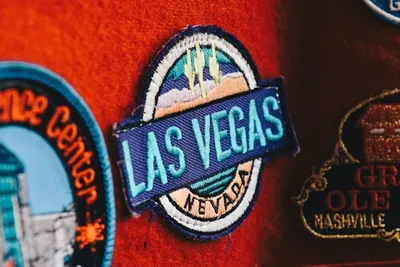
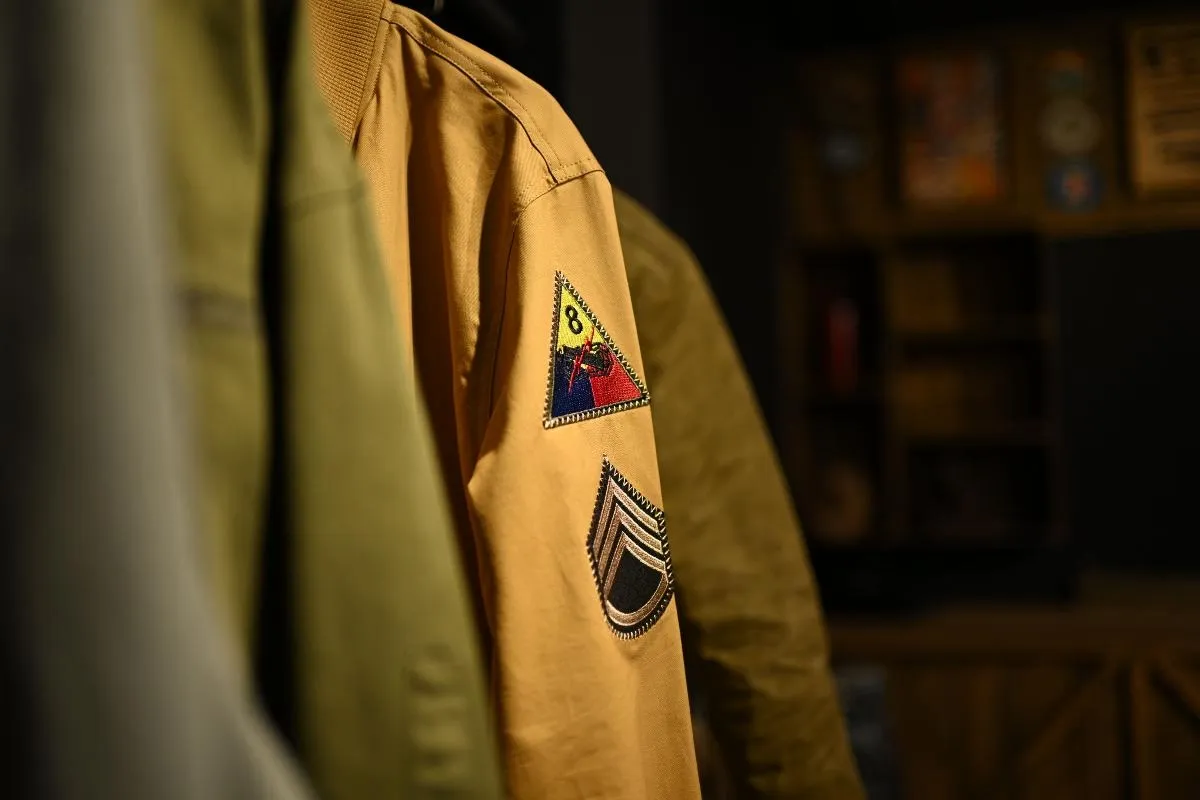
Almost any patch construction can be hook-backed. In our production, the common Velcro combinations are embroidered, woven, printed, PVC, leather, chenille, sublimated, and reflective. The face and the backing are separate choices, so you can order the same design in different constructions for different jobs.
Hook tape adds stiffness. Very small or very thin patches sometimes look better with a felt or embroidered border to hide the panel edge. Hook material is usually black or olive. A light patch back may show it through, so we match hook color to the patch back on light designs.
Which Velcro Patch Material Should You Choose?
Start with where the patch will live, then pick the look. This is the pattern we use when a customer asks.
| Material | Best for | Detail level | Weather | Feel |
|---|---|---|---|---|
| Embroidered | Logos, team badges | Bold shapes, 3 mm text | Good, dries slow | Textured, thicker |
| Woven | Fine text, tight artwork | Down to 2 mm text | Very good | Flat, thin |
| Printed | Photos, gradients | Full color | Fades in sun | Very thin |
| PVC | Outdoor gear, wet use | Simple 3D shapes | Excellent | Rubbery, stiff |
| Chenille | Retro letters, varsity | Bold letters only | Fair | Fluffy, soft |
| Leather | Brand marks, casual | Etched or embossed | Good | Firm, premium |
The same table decides construction for iron-on and sew-on backings too, since the backing does not change what the face is made of.
What Are The Benefits Of Velcro Patches?
The main benefit is that the patch is not permanent. A team lead can change staff names in seconds, and an event organizer can hand out badges at the door and collect them at the end. A rider who buys a new jacket moves the club patch over instead of ordering another one. The decorative patch can outlive any one garment, which matters when the patch is expensive to produce (chenille letter runs, layered PVC) and the garment is not.
Hook backing is also the easiest backing to install. There is no ironing temperature to get right, no needle to thread, and no adhesive that ruins the garment if it lands crooked. If the patch is not straight on the first press, lift it and try again.
When Are Velcro Patches The Right Choice?
Velcro is the right choice when the design will change. That covers rotating rank and callsign, event or conference badges, seasonal brand runs, shared or rental gear, and collectible or trade-friendly morale patches.
It's the wrong choice when the design never changes and the garment is a keeper. A brand logo on a permanent uniform, an award patch on a jacket that won't be washed often, or a small accent on a bomber jacket collar is better as sew-on or a well-attached iron-on. It sits flatter, and it cannot be snagged off.
Looking for morale patches you can swap in a second?
Our custom morale patches ship with hook backing on request, so your crew can rotate designs without touching a needle or an iron.
How Do Velcro Patches Compare With Iron-On And Sew-On Patches?
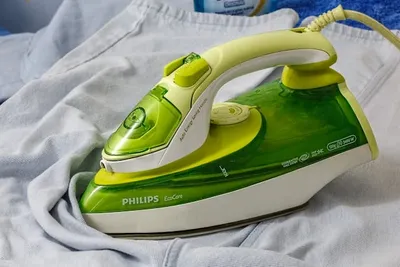
Each backing gives something up. Iron-on is fast but least durable. Sew-on lasts longest but is permanent. Hook-and-loop comes off, and its grip fades a little with every swap. Pick the backing by how often the patch will move.
| Backing | Permanence | Apply time | Fabric limits | Wash routine | Best when |
|---|---|---|---|---|---|
| Hook-and-loop | Removable | Seconds | Needs a loop panel | Remove before wash if possible | Design will change |
| Iron-on | Semi-permanent | 30-60 seconds | Heat-safe cotton, poly blends | Cool wash, mild dry | Fast, one-off |
| Sew-on | Permanent | 5-10 minutes | Most woven fabrics | Normal for the garment | Design is final |
If the choice is unclear, our how to add velcro to a patch guide covers the no-sew hook install, and our heat transfer vs embroidery guide compares construction methods that pair with any backing.
How Do You Apply Velcro To A Patch?
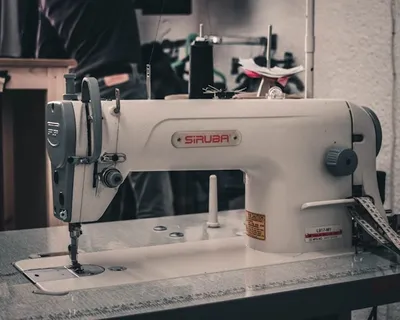
Cut the hook tape a quarter inch smaller than the patch shape so no hook shows around the edge. Sew the hook to the back through the outer border on a machine, or hand-stitch the perimeter if the border allows. Sewing is the most durable install. A strong fabric adhesive is a second option for materials that resist stitching, such as PVC.
Then attach the loop side to the garment. If the garment already has a loop panel, skip this step. If it does not, cut a loop patch to the same shape as the hook, then sew or peel-and-stick it in place. Press the patch on and check alignment before wear. Lift and reset it if it landed crooked.
Want a weatherproof Velcro patch for outdoor gear?
Get started with custom PVC patches, hook-backed on request, for packs, jackets, and kit that sees rain, mud, and sun.
Get startedHow Durable Are Velcro Patches?
A Velcro patch wears out in two different ways. The decorative patch (the embroidered or PVC face) lasts as long as the border and material do. The hook-and-loop fastener ages faster: hooks flatten with every attach-and-remove, loops fill with lint and pet hair, and both lose grip. The design usually outlasts the fastener.
In the patches we see returned for a fresh install, the pattern is almost always a worn loop panel, not a failed patch. We recommend replacing the loop panel before the patch itself when grip weakens. Brush the loop field with a soft brush now and then to pull out lint before it packs in.
Can Velcro Patches Be Washed?
Remove Velcro patches before washing when practical. Remove detachable patches before washing when their care instructions require it. If hook material will remain exposed, cover or fully engage it to reduce lint collection and snagging, even though the patch face itself survives most cycles. Removing the patch keeps both cleaner and helps the loop last longer.
If removing is not practical, close the loop panel with a scrap of hook or turn the garment inside out. Wash cool, avoid fabric softener (it coats the loops and reduces grip), and air-dry when possible. Heat and long tumble cycles shorten the life of the hook and loop faster than the design ever wears out.
Frequently Asked Questions About What Is A Velcro Patch
What Does Velcro Patches Mean?
A Velcro patch is a patch with hook tape on the back that grips a loop panel on a garment or piece of gear. It is removable and reattachable without tools, so the same design moves between jackets, vests, hats, and packs.
How Does A Velcro Patch Function?
It works by mechanical grip. Tiny plastic hooks on the patch back catch soft loops on a receiving panel. Press the two together to attach. Peel a corner to remove. Nothing is glued or stitched to the garment while the patch is in use.