How Are Woven Patches Made? From Design Concept To Finished Patch
Woven patches look simple from a distance, but the process behind them is precise. Every line, letter, and color takes careful planning that can go wrong. This guide explains how woven patches are made, from the first artwork file to the final patch ready for clothing or bags.
Key Takeaways
- Woven patches are made by weaving thin threads together, not by stitching thread on top of fabric like embroidery.
- They work especially well for small text, detailed logos, smooth surfaces, and lightweight patch designs.
- Clean artwork matters. Vector files, clear colors, and proper proofing help avoid fuzzy details and costly rework.
- We supply high-quality custom woven patches and many other styles to bring your vision to life in affordable patches that look great on clothing and accessories.
Table of contents
-
How Are Woven Patches Made?
-
What Are Woven Patches Made Of?
-
What Makes Woven Patches Different From Embroidered Patches?
-
What Makes Woven Patches Unique Compared To Other Patch Styles?
-
What Types Of Woven Patches Are Available?
-
Are Woven Patches Iron-On Or Sew-On?
-
What Machines And Digitizing Software Are Used To Manufacture Woven Patches?
-
What Design Tips Help You Get The Best Woven Patch Result?
-
What Common Mistakes Should You Avoid When Ordering Woven Patches?
How Are Woven Patches Made?
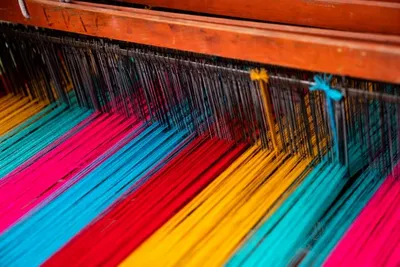
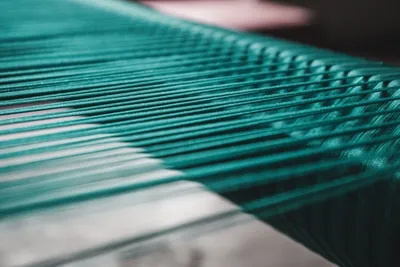
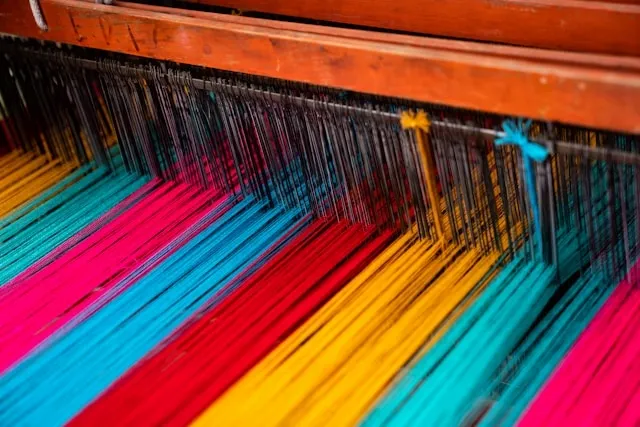
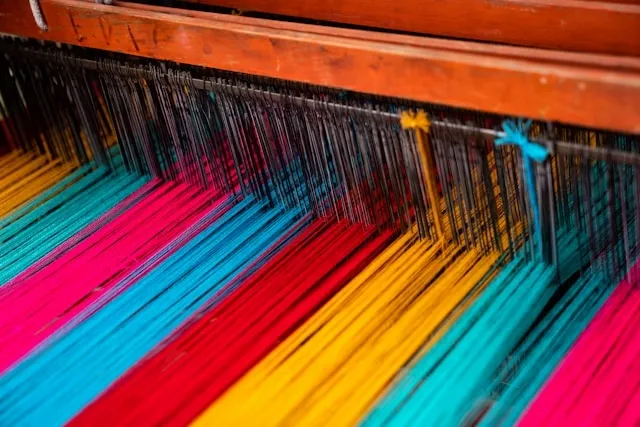
Woven patches are made by turning artwork into a digital weave file, then producing the design on a specialized loom. The loom uses colored threads to build the image directly into the patch surface.
After weaving, the patches are cut, shaped, and finished with the chosen edge. This process is popular because the threads are thinner than embroidery thread, so it works well for:
- Detailed logos
- Small text
- Lightweight designs
Jacquard looms, digitizing software, heat-cutting, backing machines, and border finishing all play a part. The best results come from planning the design before entering the production phase.
What Are Woven Patches Made Of?
Woven patches are usually made from polyester thread, though cotton thread may be used for some designs. Polyester is common because it is strong, colorfast, and clean-looking.
The patch is not printed on a blank base. Instead, the design is made as threads cross over and under each other on a Jacquard loom. Thinner thread helps create sharper details and a smoother surface. That is why woven patches feel flatter than custom embroidered patches.
They are light but still durable enough for uniforms, hats, jackets, bags, and labels. We like them for branding because they look neat without adding much bulk.
What Does A Woven Patch Look Like?
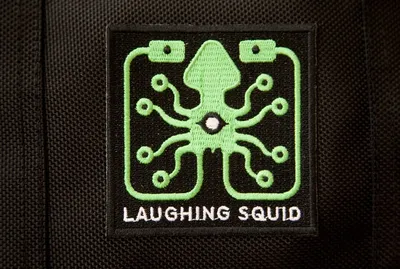
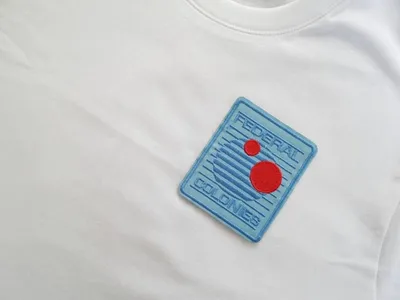
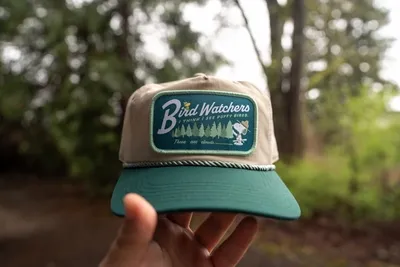
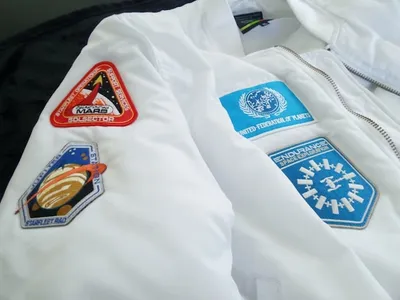
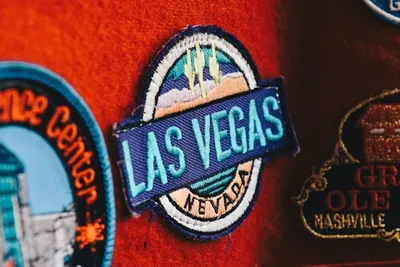
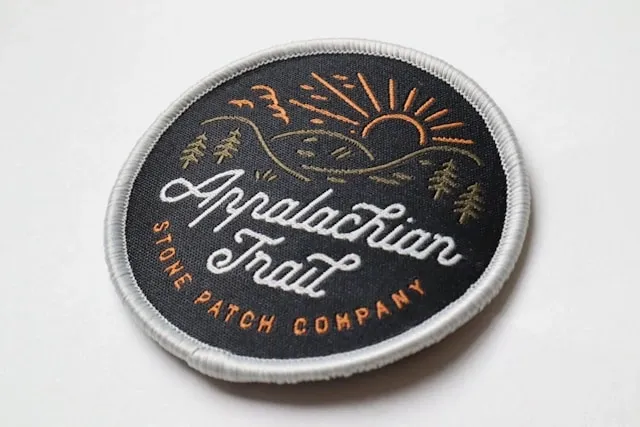
A woven patch has a smooth, flat, high-definition look. It does not have the raised texture you see on embroidery. Fine lettering, thin borders, small icons, and complex logos usually appear cleaner because the design is built with tight, thin threads.
If you run a finger over the surface, it feels flatter and more even. This makes woven patches a good choice for artwork with detail, rather than bold, chunky shapes - the visual appearance is defined by weave structure, yarn color, and interlacing.
They can look smart on uniforms, fashion items, and product packaging. The finish is crisp - not flashy, just precise, which is often exactly what a brand patch needs.
| Patch type | Best for | Texture | Detail level | Durability | Best use cases |
|---|---|---|---|---|---|
| Woven | Small text, detailed logos | Flat | High | Good | Brand labels, uniforms, hats |
| Embroidered | Bold designs | Raised | Medium | High | Badges, uniforms, clubs |
| Printed | Gradients/photos | Smooth | Very high | Varies | Artwork, complex colour designs |
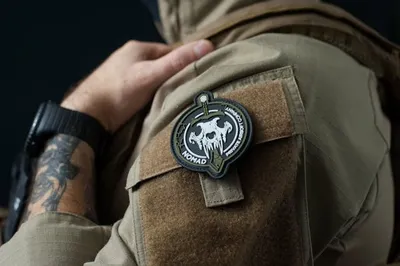
| PVC | Gradients/photos | Flexible rubber | Medium | High | Outdoor gear, tactical patches |
| Leather | Premium branding | Textured | Low-medium | High | Fashion labels, bags |
Looking to create iron-on patches with clear designs?
Woven designs are great for iron-on patches because they are heat-resistant and vibrant, making for a clear display.
What Makes Woven Patches Different From Embroidered Patches?
The main difference is construction. Woven patches weave the design into the patch fabric itself. Embroidered patches stitch thread on top of a fabric base. That changes the look and feel.
- Embroidery is thicker, raised, and textured. If your design is bold and you want a classic raised badge feel, embroidery may look better.
- Woven patches are flatter, lighter, and better for fine detail. If your design has tiny letters or thin lines, woven is often the safer choice.
Choosing between them is not about which one is “best.” It depends on the design, use, budget, and style you want. Make sure you do a full comparison of woven vs embroidered patches and how they would work for your specific goals.
Are Woven Patches Better Than Embroidery For Detailed Designs?
Woven patches are usually better for detailed designs. Thin thread allows small text, fine outlines, and complex artwork to stay readable at a smaller size. Embroidery can struggle with tiny letters because the thread is thicker and sits higher.
That does not mean embroidery is weak. It is excellent for bold logos, varsity-style badges, and patches where texture matters. Woven patches look cleaner and more modern, while embroidered patches often feel more traditional.
We usually suggest woven patches when the logo includes detail that cannot be simplified. If the design must stay sharp, the flatter woven surface helps a lot - think about how stitch-based production affects visual detail and surface texture vs a woven finish.
What Makes Woven Patches Unique Compared To Other Patch Styles?
Woven patches are unique because they balance detail, comfort, and a clean finish. They can show artwork that would be difficult to embroider, while still feeling like a real fabric patch. Here are a few key features the differentiate woven patches:
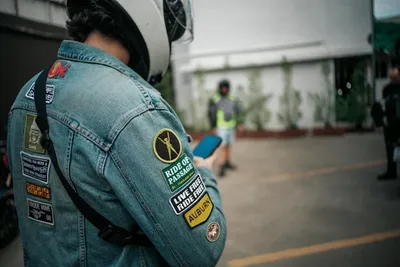
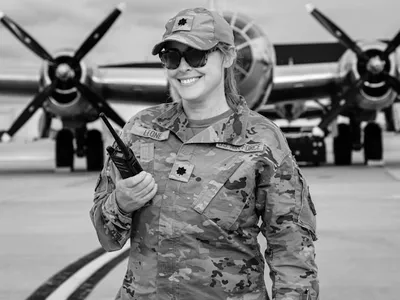
- They are flexible, thin, and easy to wear on shirts, jackets, hats, bags, and uniforms.
- They also suit fashion labels and product branding because the surface looks tidy up close.
- Unlike printed patches, the design is made from thread, so it has texture and depth without feeling bulky.
For professional-looking designs, woven patches often sit in the sweet spot between detail and durability. They look controlled, but not stiff - similar to custom rectangle buttons but made for permanent attachments.
Create humorous or catchy designs for woven patches
Use our service to create custom funny patches and choose the woven style to get the results you want with professional craftsmanship.
Learn moreWhat Types Of Woven Patches Are Available?
Woven patches come in several styles, and the right choice depends on how the patch will be used. For example, standard woven patches are clean, flat, and suitable for most logos. Let's look at some different variations:
- High-definition woven patches use finer thread for more detail.
- Damask woven patches are known for a smooth, sharp finish.
- Some patches have merrowed borders, while others use laser-cut or heat-cut edges for custom shapes.
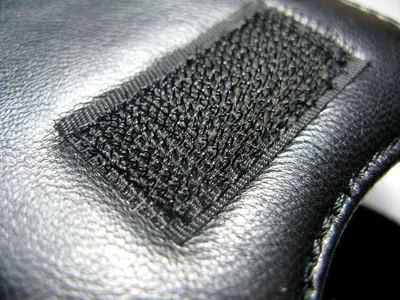
Backing options include sew-on, iron-on, adhesive, and Velcro. Thread type, edge style, shape, and backing all affect the final look. Woven patches capture fine details differently depending on how they are produced, so this decision matters.
A jacket patch needs different choices from a retail label or a small hat badge.
Which Woven Patch Style Works Best?
The best woven patch style depends on the design. For small lettering or detailed logos, choose high-definition or damask woven patches. For simple shapes, standard woven patches are often enough.
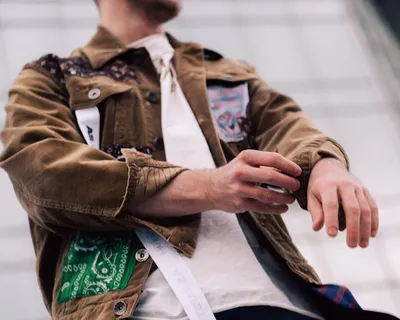
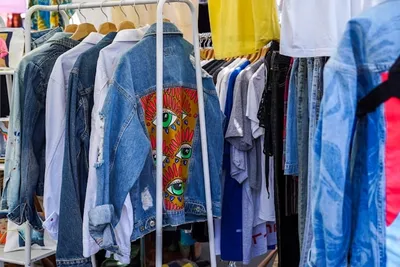
If the patch is a circle, oval, square, or rectangle, a merrowed border can look classic and sturdy. For custom outlines, heat-cut edges usually work better. If you are exploring patch jacket ideas, make sure you understand the specifics of your project.
Modern brands often prefer flat edges because they look cleaner on clothing and packaging. Outdoor gear may need stronger backing or Velcro, while fashion items may need a softer finish. We would rather match the patch to the job than choose the fanciest option by default.
Interested in an affordable solution for woven patches?
Our custom cheap patches can be produced in woven, embroidered, and various other styles and we never compromise on quality.
Are Woven Patches Iron-On Or Sew-On?
Woven patches can be iron-on, sew-on, adhesive-backed, or Velcro-backed. Sew-on patches are the most durable because thread holds the patch in place through washing and wear. Iron-on backing is faster and works well for simple home application.
- Adhesive backing is usually best for temporary use, packaging, or light craft projects.
- Velcro backing is useful when patches need to be removed, replaced, or swapped.
The backing affects how long the patch lasts, how easy it is to apply, and which surfaces it can attach to.
For uniforms or workwear, we usually suggest sew-on or Velcro. For casual clothing, iron-on may be enough. Work with us to create custom brand logo iron-on patches or other varieties with a woven finish to enjoy the benefits of woven design with an attachment that works for you.
What Is Iron-On Backing For Woven Patches?
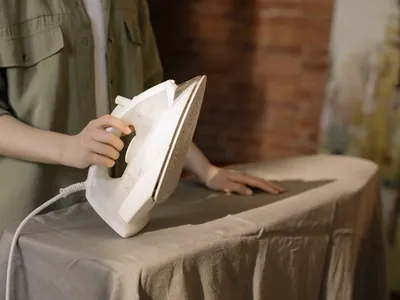
Iron-on backing is a heat-activated adhesive placed on the back of the patch. When pressed with heat, the adhesive melts and bonds the patch to fabric.
It is popular because it is quick, clean, and does not require sewing. It works best on:
- Cotton
- Denim
- Canvas
- Other heat-safe fabrics
It is not ideal for delicate synthetics, waterproof materials, or anything that may melt under an iron.
Repeated washing can weaken the bond over time, especially at the edges. To help an iron-on woven patch last longer, press it properly, let it cool flat, and stitch the edge if the item gets heavy use.
What Machines And Digitizing Software Are Used To Manufacture Woven Patches?
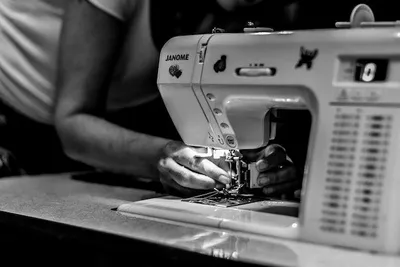
When people ask how woven patches are made, the key tools are Jacquard looms and digital weave mapping software. The artwork is converted into instructions that tell the loom which thread colors to use and where each thread should appear.
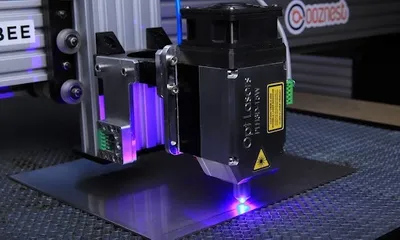
Commercial producers also use cutting machines, heat presses, backing equipment, and edge finishing tools. The software stage is important because a woven patch is not a picture placed on fabric - it is a thread plan.
Each color, line, and small letter must be translated into weave structure. Good mapping helps the loom create a cleaner design with fewer broken details or color problems. Specific processes are needed for other unique items like custom spinner lapel pins.
Represent your brand with vibrant woven patches
Work with us to create custom brand patches in woven or other finishes and enjoy the aesthetic you want at a price you will love.
Get startedWhat Design Tips Help You Get The Best Woven Patch Result?
Start with the patch size before judging the design. A logo that looks perfect at six inches may fail at two inches - this is an important consideration for when the patch is worn.
Here are some more tips to consider:
- Use bold shapes, clear contrast, and readable text.
- Avoid tiny outlines, soft shadows, and too many colors.
- If a detail is smaller than the thread can show, simplify it.
- Put important text away from the edge so the border does not crowd it.
Understand patch sizes - we suggest printing the design at actual patch size and looking at it from arm’s length. If it feels hard to read on paper, it will probably be even harder in thread. Good artwork makes production smoother.
Why Are Vector Files Recommended For Custom Woven Patches?
Vector files are recommended because they can be resized without losing clarity. That helps the production team create cleaner digital weave files. Common vector formats include AI, EPS, SVG, and PDF, depending on how the file was saved.
Unlike low-resolution images, vectors keep lines, shapes, and text sharp. This makes it easier to adjust spacing, simplify small details, and match colors. A blurry JPG can still sometimes be used, but it often needs cleanup first.
We prefer vector artwork because it reduces guesswork. The clearer the file, the easier it is to turn the design into a patch that looks intentional - essential for work using computer aided design (CAD).
What Common Mistakes Should You Avoid When Ordering Woven Patches?
The most common mistake is sending artwork with details too small for the patch size. This will result in unclear elements in the final patch, or it may be sent back to you for correction.
There are other common mistakes to avoid:
- Choosing colors that are too close together, resulting in the design losing contrast.
- Forgetting to check backing, border style, and final dimensions before approval.
- Approving a proof too quickly - slow down and check spelling, logo shape, thread colors, and edge placement.
Production teams can make strong recommendations, but they cannot know every brand rule unless you share it. If the patch must match a uniform, product, or event theme, say that before the sample is made.
Check these errors before committing to an order for custom wholesale patches or you could end up wasting money.
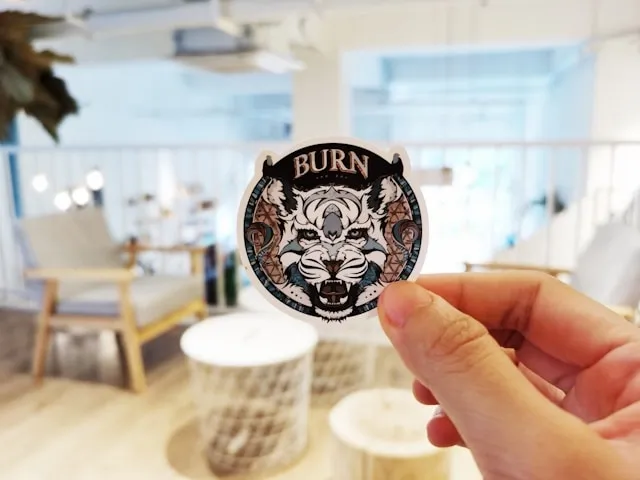
What Happens During The Sample Or Proof Process For Woven Patches?
The proof process helps catch problems before full production. A digital proof usually shows size, shape, colors, backing, border, and artwork placement. For larger or more detailed orders, a physical sample may be made so you can check the real thread finish.
Take the opportunity to look closely at small text, color contrast, edge shape, and overall balance. Do not only glance at the logo - check the boring details too, because that is where errors hide.
Revisions can happen at this stage, and they are much cheaper than fixing a full batch. Proofing gives both sides a shared target before the loom starts running - it’s an important part of digital workflows, sampling, and accurate design preparation.
Frequently Asked Questions About How Are Woven Patches Made
How Are Custom Woven Patches Made?
Custom woven patches are made by converting artwork into a digital weave file, weaving the design with colored threads, then cutting, backing, and finishing the patch edge.
Which Materials Are Used To Make Woven Patches?
Most woven patches use polyester thread because it is strong, smooth, and colorfast. Some patches may use cotton thread, but polyester is more common for durability and detail.