How To Sew Patches On Denim For Repairs, Style, And Long-Lasting Results
A patch ironed onto denim often peels at the corner after a few washes. Sewing fixes that - it's the attachment that survives heavy denim and the tumble dryer. In this guide, we walk through how to sew patches on denim so they stay put and look sharp on every piece you own.
Key Takeaways
- Sewing beats ironing on denim. A stitched edge grips through washing and heavy wear where adhesive eventually lets go on thick, textured fabric.
- Use a heavy needle and strong thread. Denim is dense, so a denim needle and a thick polyester thread stop bent needles and broken stitches.
- Secure the patch before you stitch. Pinning, basting, or a dab of fabric glue keeps it from shifting, which is what causes crooked results.
- We supply high-quality custom embroidered and denim patches that you can personalize with any design, sized and backed to sew cleanly onto your jeans, jackets, or vests.
Table of contents
-
How To Sew Patches On Denim?
-
What Tools And Materials Do You Need To Sew Patches On Denim?
-
How Do You Pick The Right Patch For Denim?
-
How Do You Secure A Patch Before Sewing It Onto Denim?
-
How Do You Hand Sew Patches On Denim?
-
How Do You Sew Patches With A Sewing Machine On Denim?
-
How Do You Sew Patches On A Denim Jacket?
-
Is It Better To Sew Or Iron On A Patch?
-
How Do You Reinforce And Finish Denim Patches Properly?
How To Sew Patches On Denim?
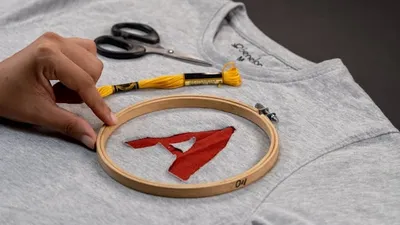
To sew a patch on denim, position it, secure it so it can't shift, then stitch around the edge with a denim needle and strong thread. Sewing is the attachment that holds best on denim, because the stitches lock the patch to the fabric instead of relying on glue.
We've sewn patches onto every kind of denim, and the sewn ones outlast the ironed ones every time. A sturdy custom embroidered patch on twill takes stitching well and stays put through years of washing. The twill base is dense enough to anchor every stitch, which is exactly what denim needs.
If you are patching a hole or tear, start with backing the damage, then sewing a patch over it so the stitches anchor into solid fabric around the hole.
Cut a backing piece of denim or fusible interfacing a little larger than the hole, and slip it behind the damage. This gives your stitches something firm to bite into, and it stops the hole from spreading further.
Stitch around the whole tear, not just the patch edge - we run a few rows back and forth across the damaged area to lock the frayed threads down.
What Tools And Materials Do You Need To Sew Patches On Denim?
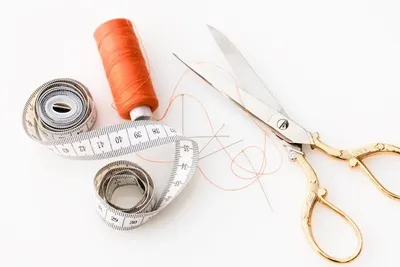
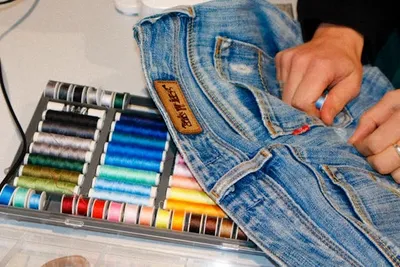
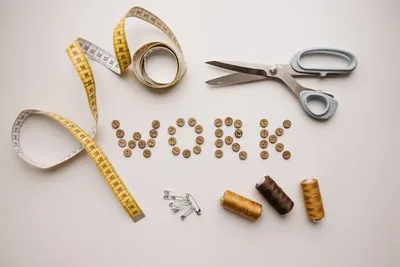
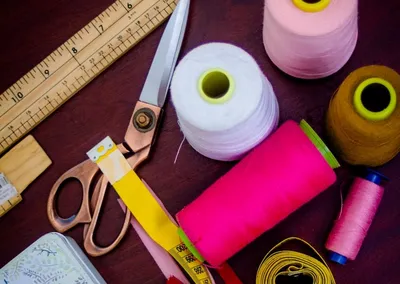
You need a denim needle, strong thread, scissors, and a way to hold the patch in place. A short list covers most jobs:
- A size 90/14 or 100/16 denim needle for thick seams
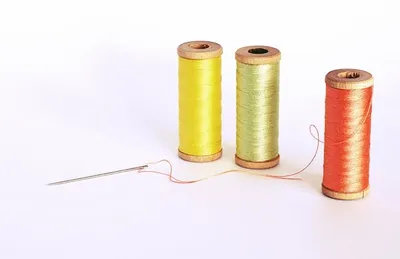
- Polyester or heavy-duty thread in a matching or contrasting color
- Straight pins or clips to hold the patch
- A thimble to push the needle through layers by hand
Skip the cheap, thin thread. It snaps under the strain of denim and leaves you re-stitching. Heavy-duty polyester holds far better and resists fraying over time.
Run your thread through a little beeswax if you have it. The wax strengthens the strand and stops it tangling as you pull it through thick denim.
Using a machine speeds things up, but it isn't required. Plenty of clean denim patches go on entirely by hand, especially around bulky seams a machine struggles to feed.
| Denim weight | Needle | Thread | Stitch |
|---|---|---|---|
| Lightweight jeans | 90/14 | All-purpose polyester | Running or whipstitch |
| Midweight jacket | 90/14 or 100/16 | Heavy-duty polyester | Whipstitch |
| Heavy seams or vest | 100/16 | Upholstery or jeans thread | Backstitch or whipstitch |
What Needle And Thread Work Best For Sewing Patches On Denim?
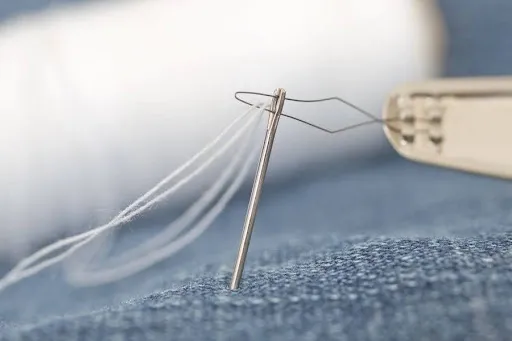
A denim or jeans needle in size 90/14 or 100/16 is the right pick, paired with a strong polyester thread. The needle has a sharp, reinforced point that pushes through dense denim without bending.
Denim is a tightly woven cotton twill, and denser weaves stay stable but resist a thin needle. That resistance is why a regular sewing needle bends or skips on a thick seam, while a denim needle drives straight through.
Thread thickness matters as much as the needle. We use a heavy-duty polyester for denim because it survives the abrasion and washing that snaps lighter thread. Match the color to hide stitches, or contrast it to show them off.
Want patches built for your favorite jeans?
Work with us to create custom jean patches in any design, sized and shaped to sew cleanly onto denim, at competitive prices with bulk discounts.
How Do You Pick The Right Patch For Denim?
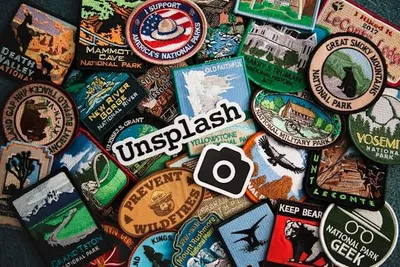
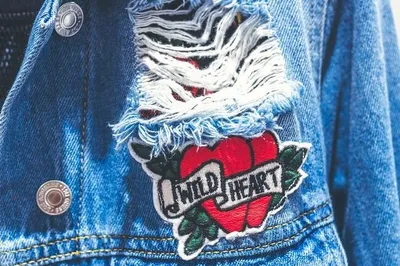
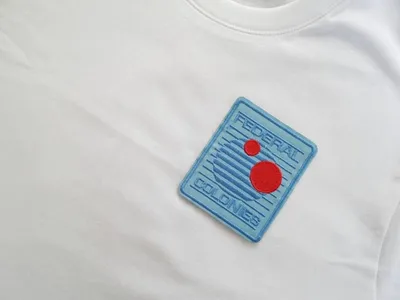
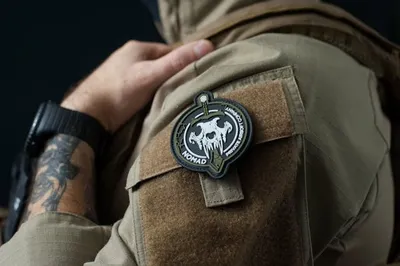
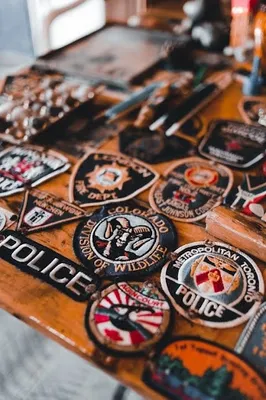
Pick a patch that suits denim's weight and texture: embroidered, woven, leather, or chenille all sew on well. Embroidered patches are the classic choice because the twill base takes stitching cleanly and stands up to wear.
Denim holds a sewn patch well because of its weave. Research on fabric seams found that twill gives the highest seam strength among common weaves, which is part of why denim is such a reliable base for patches.
Work with us to get a patch made for the job - our custom jean patches come in your choice of material and size, shaped to sew flat onto denim without bunching.
How Do You Make Professional Denim Patches From Fabric Scraps?
To make a denim patch from scraps, cut a piece of old denim slightly larger than you need, finish the edges, then stitch it over the spot. Matching the denim weight keeps the patch from puckering against the garment.
Reusing old denim is also kinder to the planet. Americans generated about 17 million tons of textiles in 2018, and patching extends a garment's life instead of adding to that pile. A worn pair of jeans becomes patch material for the next one.
This is an old craft, too. The Japanese sashiko tradition reinforced cloth with simple running stitches and scrap patches for centuries, and the same approach gives denim a durable, visible-mending look today.
How Do You Secure A Patch Before Sewing It Onto Denim?
Secure the patch before stitching so it can't shift as you sew. A patch that moves leaves crooked stitches and an uneven edge, which is the most common beginner mistake.
Several methods hold a patch steady:
- Straight pins through the patch and the denim
- Sewing clips for thick seams pins won't pierce
- A thin line of fabric glue or basting tape to tack it down
- A few loose basting stitches you remove later
We usually pin first, then add a dab of glue on bulky pieces that still want to slide. Two minutes of securing saves you from picking out crooked stitches later. On a curved spot like a knee or elbow, more pins keep the patch from lifting as the fabric bends.
What Is The Best Way To Keep A Patch From Moving While Sewing?
Your most reliable option is to combine methods: pin the patch, then baste it with a few removable stitches before the real sewing. Pins alone can let a patch creep on slick denim.
Clips work better than pins on thick double seams, where a pin can't pass through the layers. For small patches, a dot of washable fabric glue holds well and rinses out later. Test any glue on a hidden seam first to be sure it washes out clean.
Avoid heavy glue across the whole patch. It stiffens the denim and can show through thin spots. A light tack at the corners is enough to keep things steady.
Customizing a denim jacket with patches?
Use our service to design custom denim jacket patches in your choice of size, color, and material, ready to sew onto the back, chest, or sleeves.
Learn moreHow Do You Hand Sew Patches On Denim?
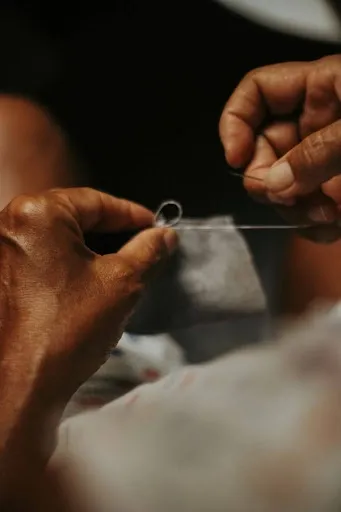
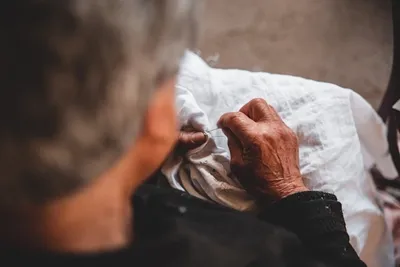
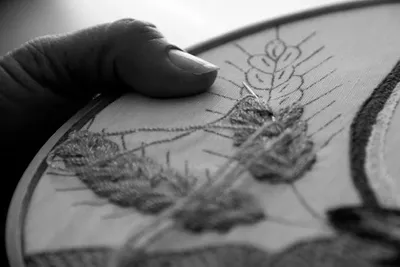
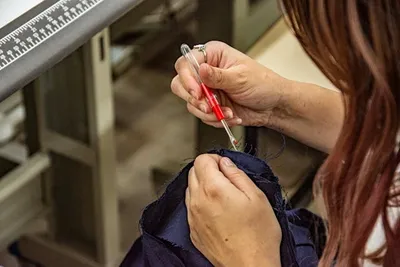
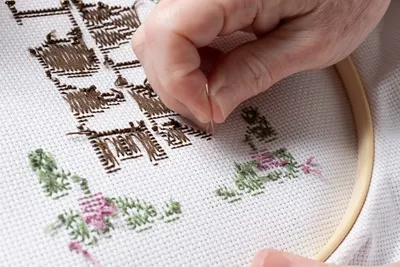
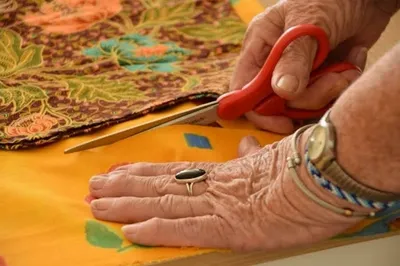
To hand sew a patch on denim, knot your thread, come up from the back, and stitch around the edge with a whipstitch or running stitch. Hand sewing gives you full control around seams and pockets a machine can't reach.
Work slowly through thick spots and use a thimble to push the needle. Our guide on how to sew patches onto jeans walks through the stitches step by step if you want the detail.
We've found hand sewing wins on awkward placements - a back pocket, a cuff, or a spot near a thick seam. It's slower than a machine, but the results are cleaner where the fabric is bulky.
What Are The Best Stitches For Hand Sewing Patches On Denim?
The whipstitch and the backstitch are the two to use on denim. A whipstitch wraps over the edge for a strong, visible hold, while a backstitch makes a continuous line that resists pulling apart. Pick the whipstitch for a rugged, hand-stitched look, or the backstitch when you want the stitches to disappear into the edge.
Stitch and thread choice both shape how a patch holds. One study on denim seams and another on their impact, found that thread accounts for about half of a garment's seam performance, so a strong stitch with weak thread still fails.
Keep stitches small and even, about 1/8 inch apart, and pull each one snug without puckering the denim. A running stitch is fine for light denim, while the whipstitch holds best on a jacket or vest.
Need a sew-on patch that survives the wash?
Our custom embroidered patches are made on durable twill with a clean edge, so they hold tight on denim through years of washing and wear.
How Do You Sew Patches With A Sewing Machine On Denim?
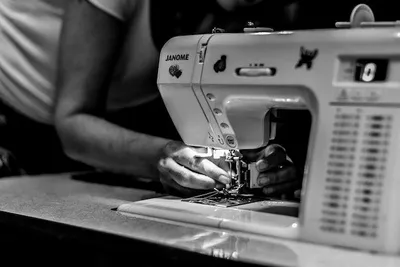
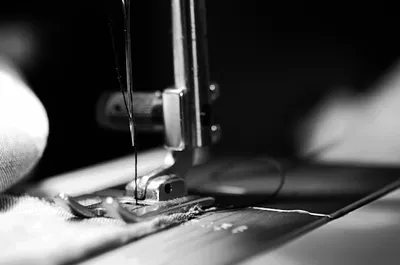
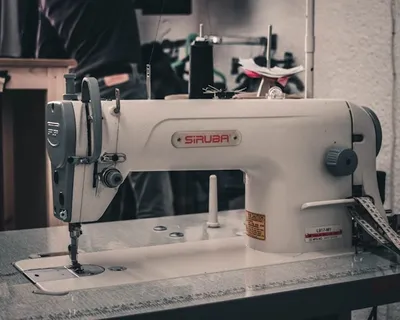
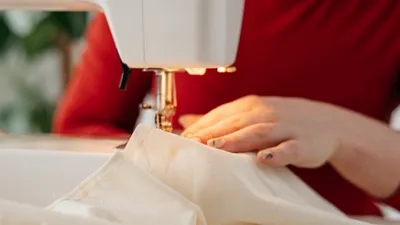
Machine sewing a patch on denim starts with the right setup: fit a denim needle, set a zigzag or straight stitch, and feed the fabric slowly around the edge. A machine is faster and gives an even, repeatable stitch line.
Set the machine up before you touch the garment. Check the thread tension and bobbin on a denim scrap first, because the right tension on cotton is wrong on thick denim.
We slow right down over double seams, where the layers stack thick. Our guide on how to sew on a patch covers machine setup and stitch choice in full.
How Do You Sew On A Patch With A Sewing Machine?
Position the patch, drop the needle at one edge, then stitch slowly around the border, pivoting at the corners with the needle down. A clear or open-toe presser foot helps you see the edge.
Use a narrow zigzag to cover and lock the edge, or a straight stitch just inside the border for a cleaner look. Backstitch a few stitches at the start and finish so the thread won't unravel. Lengthen the stitch slightly on heavy denim so it doesn't bunch.
Going slow and steady matters on denim. Rushing causes skipped stitches and broken needles, especially where the patch crosses a thick seam. Let the machine feed the fabric on its own.
How Do You Sew Patches On A Denim Jacket?
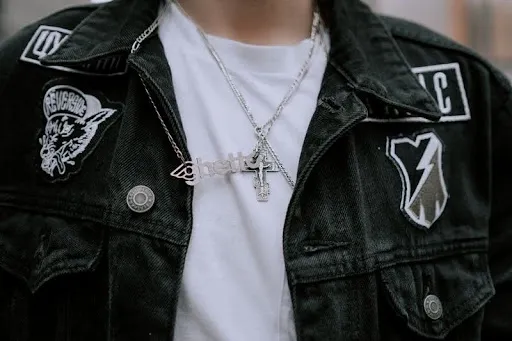
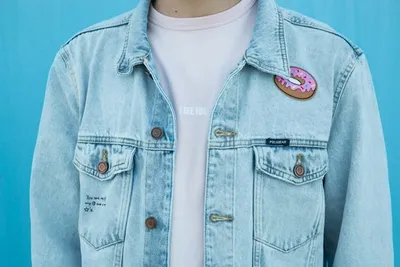
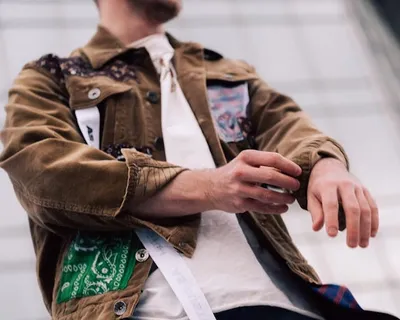
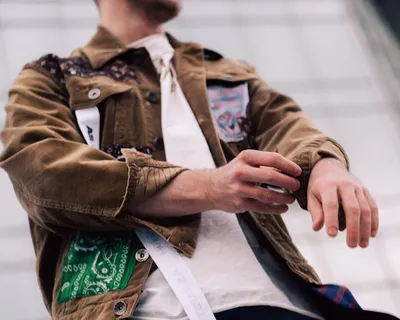
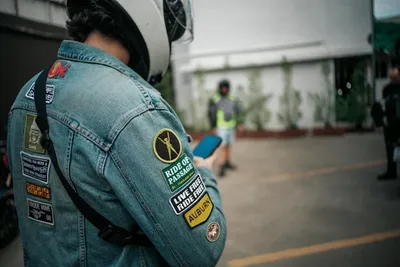
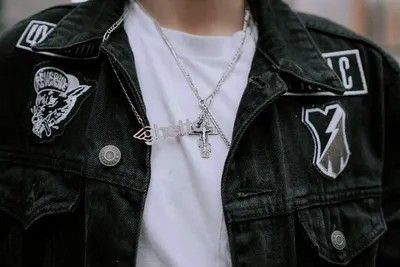
Sew patches on a denim jacket the same way, but plan placement first because the seams are thick and the panels are shaped. Placement on the back, chest, or sleeve each puts the patch on a different fabric thickness.
Work with us to design patches that fit your jacket - our custom denim jacket patches come sized for the back, chest, or sleeve, in any material you want.
Mark the placement with chalk or tape before you commit. A large back patch needs to sit straight and centered, and it's hard to reposition once you've stitched a corner. Try the jacket on and check the patch sits where you want before the first stitch.
How Do You Hand Sew Patches On A Denim Jacket?
Hand sew jacket patches by working around the bulky seams, not through them where you can avoid it. Jacket seams stack several denim layers, which are tough to push a needle through cleanly.
Use a thimble and a sturdy needle, and take shorter stitches over the thickest spots. For a large decorative patch, stitch the corners first to anchor it, then work the edges.
Be patient on a lined jacket. You'll want to stitch through the outer denim only, not the lining, so the inside stays neat. Check the back of the panel as you go.
Outfitting a club, team, or crew in denim?
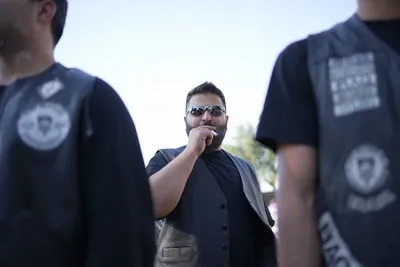
Order custom wholesale patches to get matching designs across every jacket and vest, with generous bulk discounts that lower the price per patch.
Get startedIs It Better To Sew Or Iron On A Patch?
On denim, sewing holds better than ironing for anything that gets washed or worn hard. Iron-on is quicker, but the adhesive softens over hot washes and peels at the edges on thick, textured denim.
Iron-on still has its place for a quick, temporary look or a flat patch on lighter denim. Our custom iron-on patches press on in minutes, though we'd still sew the edges for a jacket you'll wear for years.
| Method | Durability on denim | Effort | Best for |
|---|---|---|---|
| Sew-on | Strongest, survives washing | Higher, takes time | Jackets, jeans, heavy wear |
| Iron-on | Moderate, softens over washes | Low, quick to apply | Light denim, temporary looks |
| Velcro | Removable, holds well | Medium, two-part backing | Swappable patches |
For the strongest result on denim, combine both. Iron the patch on to hold it in place, then sew the border for a permanent bond - you get easy positioning plus stitched durability.
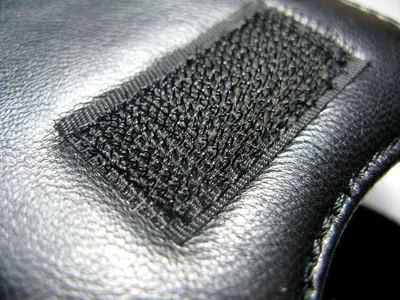
Velcro is a third option, useful when you want to swap patches in and out. It holds firmly but lets you pull the patch off, which suits a jacket you like to restyle. For a permanent patch, though, stitching still wins.
How Do You Reinforce And Finish Denim Patches Properly?
Finish a denim patch by knotting your thread on the back, trimming the loose ends, and checking every edge is stitched down. A loose corner is where a patch starts to lift and fray.
Reinforce the corners and any spot that takes strain. A second pass of stitching across a pocket edge or a knee patch doubles the hold where the patch flexes most. We backstitch over those high-stress points so they're the last thing to give.
For a whole crew in matching denim, hand-finishing each patch stops making sense. Work with us - our custom wholesale patches arrive ready to sew, identical across the batch, with bulk discounts that lower the cost per patch.
Care for patched denim by turning it inside out before washing and using a cold, gentle cycle. We've found that skipping the dryer keeps both the patch and the stitches in good shape far longer.
Frequently Asked Questions About How To Sew Patches On Denim
What Is The Best Way To Sew Patches On Denim Clothing?
The best way is to secure the patch, then whipstitch around the edge with a denim needle and strong thread. Sewing holds far better than ironing on denim, especially through washing and heavy wear.
Which Tools And Supplies Are Essential For Sewing Patches On Denim?
You need a denim needle in 90/14 or 100/16, heavy-duty polyester thread, pins or clips, scissors, and a thimble. A sewing machine helps for speed, while hand sewing works well around thick seams.