How To Sew A Patch On A Uniform By Hand? Placement And Secure Stitching Techniques
Sewing a patch onto a uniform by hand sounds simple until you are actually holding the needle. We have all seen patches curl at the edges, poll loose after a few washes, or sit slightly crooked, no matter how carefully they were placed.
In this guide, we draw on our experience as custom patch manufacturers to offer guidance on how to sew a patch on a uniform by hand. We reveal insights for workwear, service uniforms, scrubs, and more, emphasizing that technique matters to achieve durability.

Key Takeaways
- Hand sewing uniform patches requires controlled tension, correct placement, and stitches that match the fabric’s structure, not just the patch edge.
- Thread choice, stitch style, and preparation affect durability far more than how fast the patch is sewn on.
- Different uniforms and patch types demand small technique changes to keep stitches secure and discreet.
- We supply high-quality custom patches suitable for stitching onto uniforms with a range of patch materials and styles available.
Table of contents
-
How To Sew A Patch On A Uniform By Hand?
-
How To Sew Patches On A Uniform Correctly Without A Sewing Machine
-
How To Sew Patches On Specific Garments By Hand
-
What Is The Best Hand Stitch To Sew On A Patch?
-
How To Sew A Patch Without Showing Stitches Clearly
-
How To Finish A Hand-Sewn Patch So It Lasts
-
What Materials Are Needed Before Sewing A Patch?
-
What Tools Make Hand Sewing Easier?
-
How To Prepare The Uniform Before Sewing The Patch
-
Different Ways To Attach Patches Permanently
-
How Does Patch Type Affect Hand Sewing Technique?
How To Sew A Patch On A Uniform By Hand?
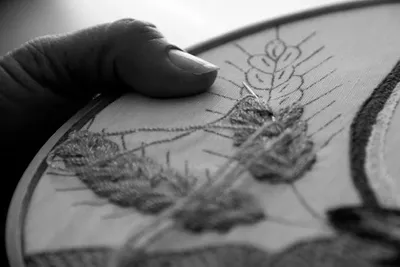
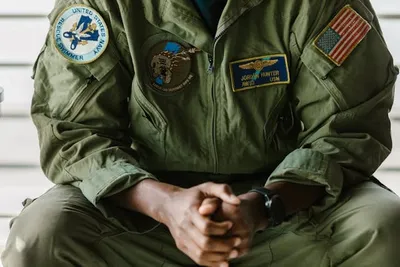
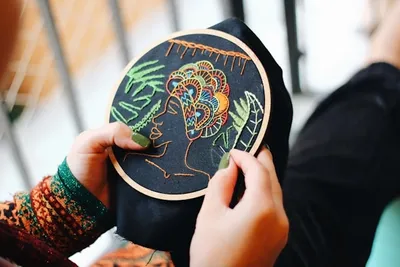
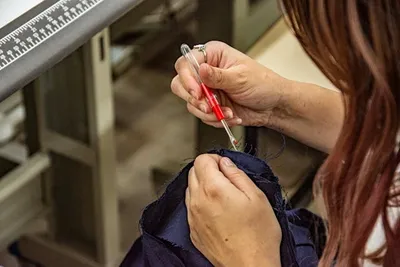
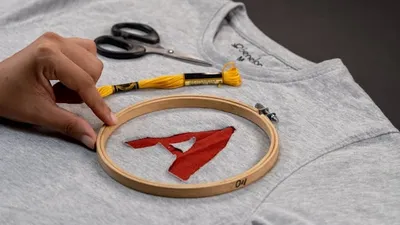
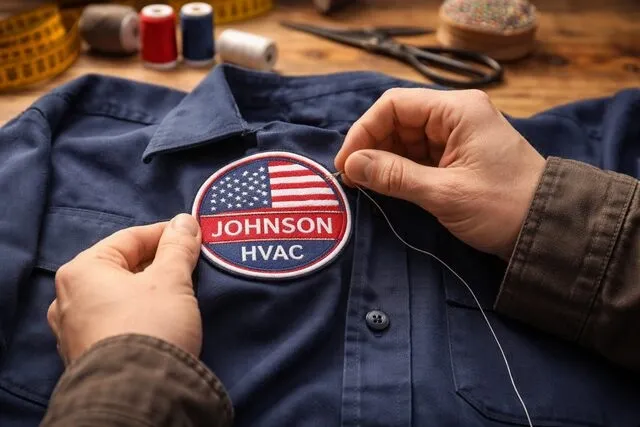
Learning how to sew uniform patches by hand starts with patience rather than tools. We begin by positioning the patch exactly where it belongs, using pins or fabric tape so it doesn’t shift mid-stitch.
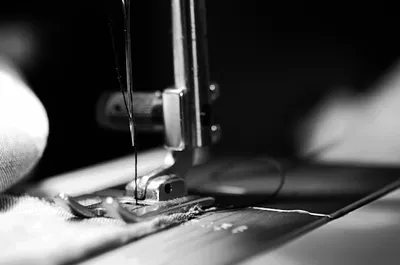
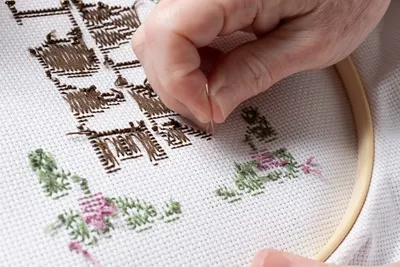
Once the needle is threaded and knotted, the key is consistency. Every stitch should be evenly spaced and pulled snug without puckering the fabric. We usually start from the inside of the uniform to hide the knot, then work around the edge in a steady rhythm.
This method applies whether you are learning how to sew patches on a uniform for:
- Workwear
- Scrubs
- Formal attire
The same technique works for custom name patches for jackets, flag patches, or rank/status patches on uniforms. When you reach the starting point again, secure the thread on the inside with a tight knot.
Let’s break this down into steps.
Step 1: Positioning The Patch
Placement comes first because correcting it later is frustrating. We align the patch according to uniform guidelines or visual balance, then pin all sides flat.
Step 2: Starting The Stitch
Begin from the inside so the knot stays hidden. Use a whip stitch or a blind stitch. Pull gently until the thread sits flush.
Step 3: Stitching Around The Edge
Work evenly around the patch edge, keeping stitch length consistent and tension controlled. This is crucial for a good finish.
Step 4: Securing The Finish
End on the inside of the garment once you get back to where you started. Tie off firmly and trim excess thread cleanly to ensure a seamless look.
|
Stitch type |
Best for |
Patch edge type |
Recommended stitch length |
Stitch spacing (edge-to-edge) |
How deep to bite fabric |
|
Whip stitch |
Most uniforms; thicker patches; workwear/service uniforms |
Merrowed edges (ideal), thick embroidered borders |
2–4 mm |
2–4 mm (tighten to 2–3 mm for sleeves/shoulders) |
3–6 mm into uniform fabric |
|
Blind stitch |
Dress uniforms or front-facing placements where you want minimal stitch visibility |
Works best with clean, structured edges; avoid on very thick borders |
2–3 mm |
3–5 mm |
2–4 mm into uniform fabric |
|
Whip stitch + reinforcement pass (second lap) |
High-stress areas (sleeves/shoulders), frequent laundering, heavy uniforms |
Raw edges or thin edges that want to lift |
2–3 mm |
2–3 mm |
4–7 mm into uniform fabric |
|
Tight whip stitch (micro spacing) |
Thin woven patches that can curl/lift at the perimeter |
Woven or thin embroidered edges |
2 mm |
1.5–2.5 mm |
2–5 mm |
|
Blind stitch (short spacing variant) |
Presentation-focused garments where you still need durability (e.g., chest placements on formal uniform) |
Moderate-thickness edge; not ideal for bulky merrowed borders |
2 mm |
2–3 mm |
2–4 mm |
How To Sew Patches On A Uniform Correctly Without A Sewing Machine
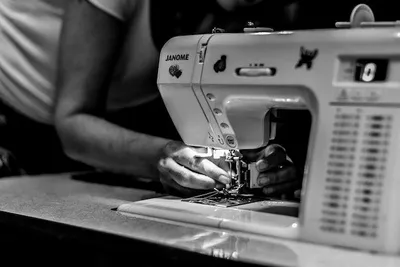
Hand sewing is not a fallback method for uniforms. In many cases, it is the only acceptable option. Sewing machines struggle with thick seams, structured fabric, and tight placement areas like sleeves or chest panels.
We have seen machine-stitched patches fail faster because the needle could not adapt to fabric density changes. Uniform materials are designed to hold shape, which means they resist penetration and pull. Hand sewing lets you control:
- Stitch depth
- Tension
This is essential when learning how to put patches on uniform garments that must pass inspection. A 2023 study into cotton fabric behaviour offers insight into how stitches affect fabric properties - important for evaluating patch durability on uniforms.
Durability expectations are higher, especially for work or service uniforms washed frequently. A properly hand-sewn patch distributes stress evenly along the edge, reducing lifting and thread breakage over time. It takes longer, but the result is stronger and cleaner.
Need patches for a military uniform?
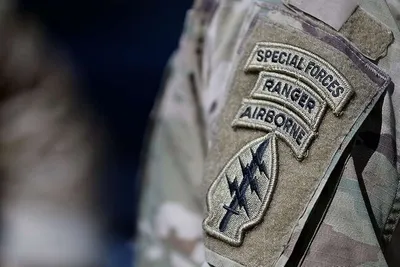
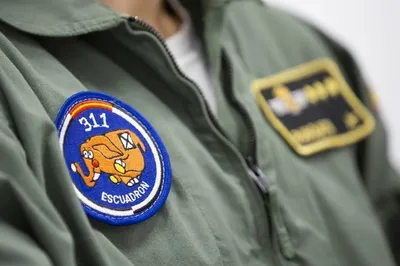
We supply high-quality custom military patches that can meet compliance standards and display any design you want to sew on.
How To Sew Patches On Specific Garments By Hand
Not all uniforms behave the same under a needle. A heavy cotton jacket reacts very differently than flexible scrubs or blended fabrics. When we approach how to sew patches on a uniform, garment type dictates stitch spacing and tension.
Let’s look at a couple of options:
- Scrubs: These require lighter tension because the fabric stretches with movement. Learning how to put patches on scrubs means allowing a bit of give so stitches do not snap.
- Thicker uniforms: These need deeper stitches to anchor the patch securely. Use shorter stitch lengths for high-movement areas like shoulders or sleeves.
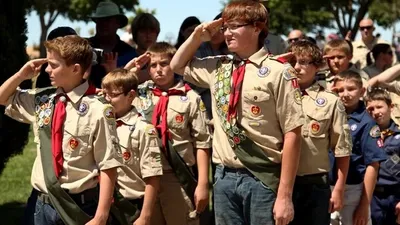
The patch may be identical, but the garment underneath determines success. When learning how to sew on Boy Scout patches or working with other uniforms, adapting your stitch technique based on how the uniform is worn keeps the patch flat, secure, and comfortable.
What Is The Best Hand Stitch To Sew On A Patch?
Stitch choice matters more than most people expect. The wrong stitch can make even a well-placed patch look sloppy or wear out early. We usually rely on a whip stitch or a blind stitch when teaching how to sew uniform patches.
- A whip stitch offers strong edge control and works well with thicker patches.
- A blind stitch reduces visibility, which is useful for dress uniforms or front-facing placements.
Visibility and durability often pull in opposite directions, so balance is key. The stitch also needs to match the patch edge. Merrowed edges handle surface stitches well, while raw edges benefit from tighter, reinforcing stitches.
Choosing the stitch that fits both the patch and the uniform fabric leads to a cleaner result that lasts. In some cases, it can be simpler to produce custom Gildan adult 50/50 t-shirts with brand designs for uniforms rather than adding patches.
Create custom girl scout patches for uniforms
Whatever patch types you need for your troop, work with us to create girl scout patches that can be easily sewn onto uniforms.
Learn moreHow To Sew A Patch Without Showing Stitches Clearly
Keeping stitches subtle is mostly about planning, not hiding mistakes later. We start by matching the thread color as closely as possible to the patch border, not the uniform fabric. That single decision reduces visibility immediately.
Stitch placement matters just as much. Insert the needle slightly under the patch edge rather than straight through the face. This allows the thread to sit in the natural shadow of the border.
When learning how to sew a patch on a uniform by hand for presentation-focused garments, we also shorten stitch length and maintain even spacing. Calm, steady tension keeps everything flush, while pulling too tight risks:
- Exposing the thread
- Distorting the patch shape
With practice, the stitches blend into the patch outline and become nearly invisible at a normal viewing distance.
Research from 2020 into the influence of embroidery stitches on textile fabrics revealed insights into the impact of stitching patches on the host fabric’s mechanical behaviour, which is also important to consider.
How To Finish A Hand-Sewn Patch So It Lasts
A patch is only as strong as its finish. Once the final stitch is complete, we move to the inside of the uniform and secure the thread with a tight, layered knot. One knot is rarely enough. We usually loop the thread twice before pulling it tight to prevent loosening over time.
After knotting, trim the thread close but not flush, leaving a few millimeters so the knot does not slip. Testing matters. Gently tug around the patch edges and flex the fabric the way the uniform would move during wear. If anything shifts, reinforce that area immediately.
This final check often gets skipped, but it is what separates a patch that lasts years from one that fails after a few washes. Experts have produced scientifically-measured evidence about how sewing parameters influence seam strength, and this applies to patch applications too.
What Materials Are Needed Before Sewing A Patch?
Preparation starts with compatibility. The patch backing and uniform fabric should work together, not fight each other. Heavy patches on lightweight fabric need extra care, while thin patches on thick uniforms require stronger thread.
Let’s look at some other key considerations:
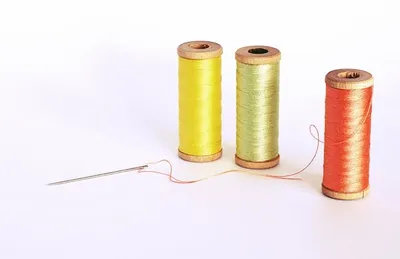
- Thread durability is non-negotiable. We always recommend polyester or nylon thread because cotton breaks down faster under stress and washing.
- Needle choice matters too, but preparation matters more.
If you are interested in how to make your uniform look cute or smart, pressing it flat removes tension that can distort stitch spacing. When people struggle with how to sew patches on a uniform, the issue is often rushed setup rather than poor technique.
Taking time to prep saves time later and leads to cleaner, stronger results. It also helps to work with high-quality patches. Work with us to create custom name patches for uniforms and countless other designs and enjoy freedom of choice with material along with great prices and bulk discounts, with premium quality guaranteed.
In search of custom tactical patches for law enforcement?
Work with us to create custom police patches for vests and enjoy high-quality craftsmanship and easy attachment with sewing and other methods.
What Tools Make Hand Sewing Easier?
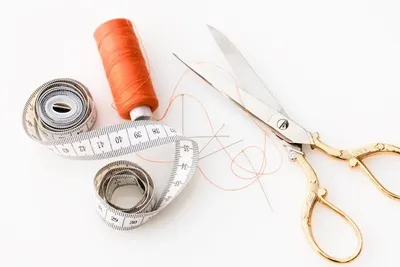
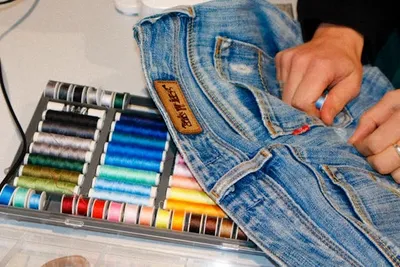
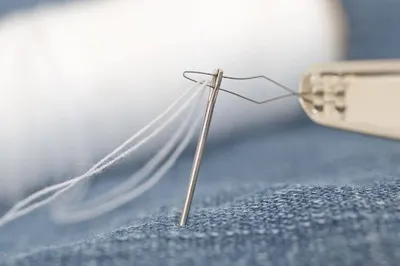
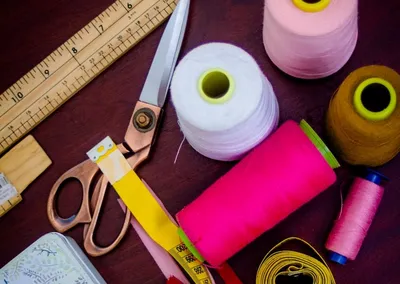
Hand sewing a patch is far less frustrating when the tools match the job. Needle choice comes first. We typically use a sharp, medium-length needle that can pass through uniform fabric without bending or snagging thread. A needle that is too thin struggles with thick seams, while one that is too large leaves visible holes.
Let’s look at some other key tools that make the job easier:
- Thimbles make a bigger difference than most people expect. Pushing through dense uniforms repeatedly strains fingers, and a thimble allows steady pressure without discomfort.
- Sharp scissors also matter. Clean cuts prevent frayed thread ends and make knotting more precise.
Studies show that stitch choice and seam configuration are key to durability, and you make life much easier when you have the right tools. When learning how to sew uniform patches by hand, these small tools quietly improve accuracy, comfort, and stitch consistency from start to finish.
How To Choose The Right Thread For Sewing Patches
Thread strength matters more than thickness. A slightly thinner, stronger thread performs better than a thick thread that frays. We can see this from research into how sewing threads and stitches behave mechanically.
We favor polyester thread because it resists:
- Moisture
- Friction
- Repeated washing
Color matching is not just aesthetic. Matching the thread to the patch border helps stitches disappear into the edge. Longevity also matters. Uniforms see more wear than casual clothing, so thread needs to hold up under movement and laundering.
When learning how to sew patches on a uniform, thread choice is one of the most overlooked decisions. A strong, color-matched thread quietly does its job for years without drawing attention.
How To Prepare The Uniform Before Sewing The Patch
Preparation sets the tone for the entire process. Always wash the uniform first to remove sizing and prevent shrinkage later. This is a foundational step that can help ensure the best possible results.
Here are some other things to help prepare for sewing:
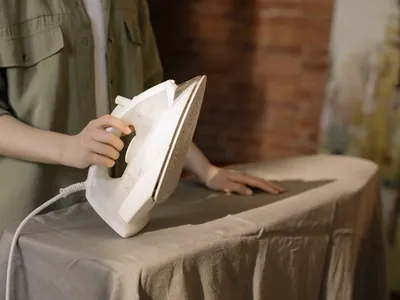
- Ironing flattens seams and creates a stable surface for accurate stitching.
- Mark placement lightly using chalk or removable fabric markers. This step prevents drifting as you sew.
- Flattening the fabric also reveals tension points that could distort stitches.
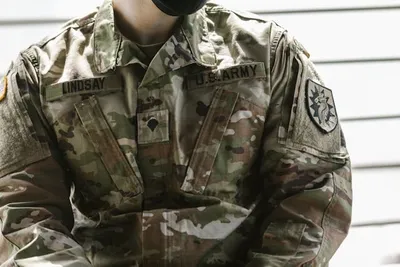
Skipping prep can be tempting, especially when the patch seems small. But when figuring out how to put patches on uniform garments correctly, preparation is where precision begins. And proper placement can be a key part of U.S. Army uniform patch meaning, further emphasizing the importance of good preparation.
A smooth, clean surface leads to even stitches and a patch that sits exactly where it should.
Enjoy high-quality patches made for martial arts uniforms
Our custom martial arts patches are optimized for your uniform and can feature sew-on or other backings to get a reliable attachment.
Get startedDifferent Ways To Attach Patches Permanently
Sewing is not the only attachment method, but it remains the most reliable. Alternatives include iron-on patches or using fabric glue, both of which have their advantages as well:
- Heat-activated adhesives offer convenience, yet they often fail under repeated washing or high movement.
- Fabric glue works temporarily but lacks long-term strength.
We have seen many patches re-sewn after these methods failed. Sewing distributes stress evenly along the patch edge, which adhesives cannot replicate. That said, some methods work as supplements.
Light adhesive can hold a patch in place before stitching, making alignment easier. When durability matters, especially for workwear, sewing remains the standard. Learning how to sew uniform patches ensures permanence regardless of uniform type, or you could even opt for patch alternatives like custom round button badges.
How Does Patch Type Affect Hand Sewing Technique?
Patch construction influences every stitch. Merrowed edges are thick and rounded, allowing surface stitches to grip securely. The type of edge on the patch is one key consideration, but there are others to be mindful of as well:
- Woven patches are thinner and require tighter stitch spacing to prevent lifting.
- Embroidered patches vary in density, which affects needle resistance.
We recommend that you adjust stitch depth based on edge thickness and stiffness. Stiffer patches need deeper anchoring, while flexible patches benefit from lighter tension. Determine whether you are working with custom embroidered patches or woven/printed varieties.
Understanding patch type helps avoid puckering and thread breakage. When teaching how to sew a patch on a uniform by hand, we always start with the patch itself. Matching technique to construction keeps the patch flat and secure.
Frequently Asked Questions About How To Sew A Patch On A Uniform By Hand
How To Sew A Patch On A Uniform By Hand Easily?
Start with proper placement and preparation. Use a strong, color-matched thread and consistent stitch spacing. Take your time and maintain even tension throughout.
How To Sew A Patch Clearly Without Showing Stitches
Match the thread to the patch border and stitch just under the edge. Keep stitches short and evenly spaced, and avoid pulling the thread too tight.