How To Design Your Own Clothes? (Simple Steps, Digital Tools, And Pro Tips)
Learning how to design your own clothes is rarely a single moment of inspiration. It is usually a gradual process of observation, experimentation, and refinement. We find that most beginners start with a clear idea in their head but struggle to translate it into something wearable.
In this guide, we look at the creativity and skill involved in designing your own clothing. For beginners, it is less about talent and more about patience, taking small, deliberate steps to understand proportions, fabrics, and how details interact.

Key Takeaways
- Designing your own clothes works best when creativity is paired with planning, visual references, and realistic proportions.
- Beginners benefit most from simple techniques, basic tools, and gradual skill-building rather than complex designs.
- As of 2026, digital tools, professional support, and small custom elements continue to help bridge the gap between ideas and finished garments.
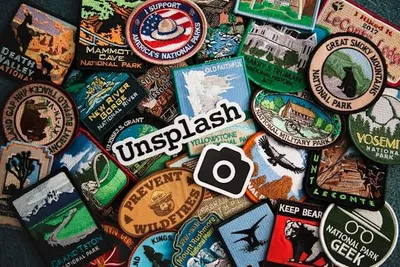
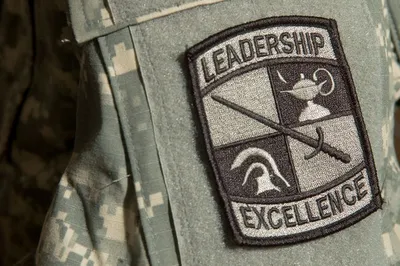
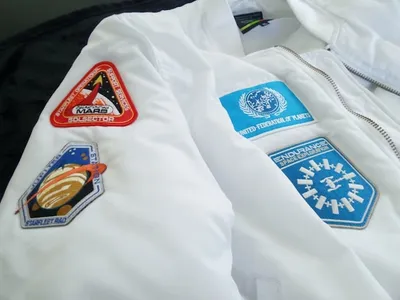
- We supply high-quality custom clothing patches that can work well as embellishments and design features for your garments, adding a little personalization or branding.
Table of contents
-
How To Design Your Own Clothes?
-
Who Can Benefit Most From Designing Their Own Clothes?
-
What Program Do You Use To Design Clothes Professionally?
-
Is There A Website Where You Can Design Your Own Clothes Easily?
-
What Apps Do People Use To Make Outfits Digitally?
-
How Do You Get Clothes Designed With Professional Support?
-
How Can You Choose The Best Printing Method For Your Clothing Design?
-
How Do You Move From Sketch To Sample In Clothing Design?
-
Where Can You Learn To Design Your Own Clothes Effectively?
How To Design Your Own Clothes?
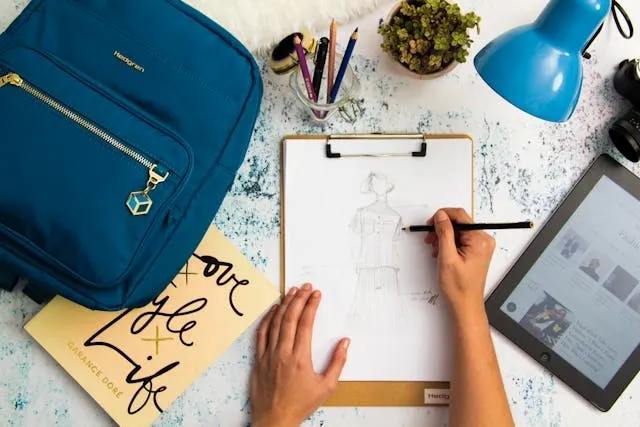
If you are asking how you design your own clothes, the answer begins with clarity rather than tools. Start by brainstorming ideas and gathering visual references that reflect your style preferences.
Sketching, even roughly, helps transform abstract ideas into something tangible. In our experience, people often underestimate the value of early planning, but this is key to saving time later.
From the outset, you need to consider:
- Fabric types
- Garment purpose
- Fit
These things should not be afterthoughts. Understanding proportions early is especially helpful when learning how to make and design your own clothes.
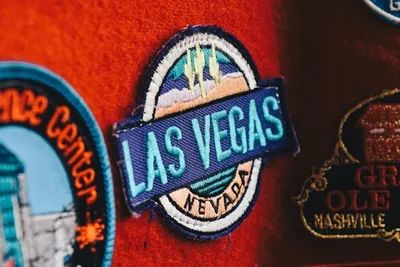
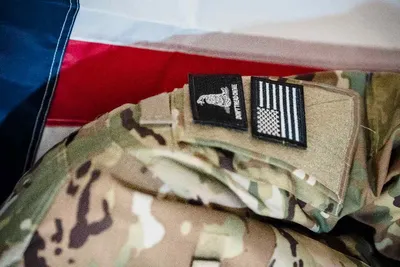
A simple pencil sketch can reveal whether a design feels balanced or awkward. You don’t need artistic perfection - intention is the most important thing. And consider the options available to you - custom embroidered patches can be a great way to add a little extra embellishment.
When you approach the process thoughtfully, designing your own clothes becomes less intimidating and far more rewarding.
How To Design Your Own Clothing With Simple Techniques
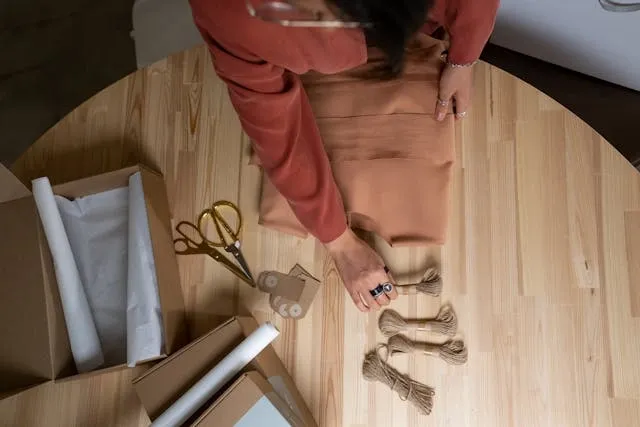
When learning how to design your own clothing, simplicity is often the most effective teacher. Breaking garments into basic shapes and silhouettes makes the process more approachable. A jacket, for example, can be viewed as panels, seams, and closures rather than a finished object.
This mindset is especially useful for designing your own clothes for beginners. We often recommend starting with easy craft techniques, such as:
- Tracing existing garments
- Experimenting with paper patterns
These methods build confidence without the pressure of perfection. Using inexpensive materials allows room for mistakes, which are valuable learning tools. Over time, these simple exercises improve spatial awareness and construction logic.
If you are wondering how to start designing your own clothes, mastering these fundamentals will give you a strong foundation before you start exploring specific techniques like how to apply patches or create even seams.
Who Can Benefit Most From Designing Their Own Clothes?
Designing your own clothes appeals to a wide range of people, each for different reasons. Creators and artists often use clothing as an extension of their personal expression. Let’s look at a couple of other people who may benefit:
- Entrepreneurs may view custom garments as a pathway to brand development or niche markets.
- Hobbyists, on the other hand, enjoy the satisfaction that comes from making something unique.
We have seen many beginners discover unexpected opportunities once they understand how to design and make your own clothes. Researchers are seeing an increased use of automatic garment-pattern generation to understand the structure and logic. These skills can be monetized through small collections, custom commissions, or collaborations.
Even those with no commercial goals benefit from greater control over fit and style. If you want premade, personalized embellishments for your creations, you can work with us to create custom text patches and various other types to add a bespoke touch.
Want an easy embellishment to add to your clothing?
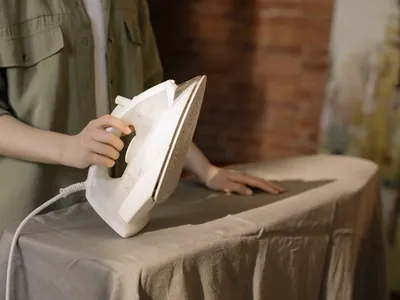
Design your own clothes and add custom iron-on patches that match the vibe for a unique finishing touch.
What Program Do You Use To Design Clothes Professionally?
Professional clothing design often relies on precision-based software rather than freehand sketches alone. Programs like Adobe Illustrator and specialized CAD tools allow designers to create accurate patterns and technical drawings.
This level of detail becomes important when designs move toward production. Experts have observed the shift in pattern construction practices, comparing traditional methods with modern parametric and CAD-based approaches, lauding the greater precision.
In our experience, beginners do not need these tools immediately, but understanding their role is helpful. Precision matters when it comes to:
- Measurements
- Seam allowances
- Grading
As skills advance, upgrading from basic sketching to professional software can significantly improve efficiency. For those exploring how to design your own clothes and get them made, learning industry-standard programs creates smoother communication with manufacturers.
The transition should feel natural, not forced, and ideally comes after you are comfortable with foundational design concepts.
Is There A Website Where You Can Design Your Own Clothes Easily?
For beginners wondering how to design my own clothes without investing in complex software, browser-based platforms can be surprisingly useful. These websites typically allow you to build simple mockups by selecting garment types, colors, and graphics.
While they do not replace professional tools, they are effective for visualizing ideas quickly. We have found them especially helpful when testing logo placement or basic layouts before committing to production.
Many product personalization platforms also fall into this category, making them ideal for text-based designs or straightforward graphics. If your goal is to understand how to get clothes designed at an entry level, these tools remove much of the technical barrier.
They are best used for concept validation rather than final design work. For example, they could help with how to make iron-on patches to personalize your garments, rather than creating clothing from scratch. But they provide a practical starting point for developing confidence and clarity.
Create large custom patches for a focal point on your clothing
When designing your own clothes, custom large patches can make outstanding focal points for the presentation.
Learn moreWhat Apps Do People Use To Make Outfits Digitally?
Outfit-planning and styling apps play a different role in the design process, but they are often overlooked. These tools allow users to assemble digital outfits using existing garments or templates, helping visualize how pieces work together.
In our experience, this is particularly useful when testing color palettes or understanding proportion balance. Some apps focus on wardrobe organization, while others simulate full outfits for planning or inspiration.
If you are exploring how to design my own clothes, these apps help refine taste before committing to sketches or samples. Or they might help you test concepts for custom Gildan adult heavy cotton t-shirts.
They are not about construction, but about cohesion. Seeing how garments interact digitally can prevent design mistakes later. Experts highlight that foundational design principles are important to translate creative clothes ideas into physical garments, and these apps can help.
For beginners, this visual experimentation builds intuition and makes the overall design process feel more approachable.
Which Tools Help You Design Your Own Clothes Digitally With Precision?
Digital precision becomes important once rough ideas start turning into real designs. Tablets paired with styluses offer a natural bridge between hand drawing and software-based design.
Programs that support layering allow designers to:
- Refine shapes
- Adjust proportions
- Test variations without starting over
We personally find layering essential when correcting small design flaws that are easy to miss on paper. Some applications can even convert hand-drawn sketches into clean vector lines, which is useful when preparing files for production.
A 2025 study found that guided reflection can deepen technical understanding. If you are serious about how to design your own clothes and get them made, these tools help ensure accuracy.
Precision reduces misunderstandings later, especially when working with manufacturers or printers who rely on exact specifications.
Want to add a stylish back patch to a jacket or sweater?
With our service, you can create custom back patches in any design you want to add a touch of personalization to your garments.
How Do You Get Clothes Designed With Professional Support?
There often comes a point when professional input becomes valuable. Freelance designers and small studios can help translate ideas into production-ready designs. Before reaching out, it is important to prepare sketches, reference images, and clear descriptions of your goals.
In our experience, clarity at this stage saves both time and cost. Pricing and timelines vary widely depending on complexity and experience level, so realistic expectations matter. For those unsure how to get clothes designed, starting with a small project is usually wise.
Professional support does not replace your creative vision; it refines it, developing skills and identifying potential embellishments like custom epoxy lapel pins. Collaboration works best when you understand the basics and can communicate effectively with the people bringing your designs to life.
How Can You Choose The Best Printing Method For Your Clothing Design?
Choosing a printing method is not just a technical decision; it affects durability, appearance, and cost. Screen printing is often favored for large batches due to its longevity, while digital printing suits smaller runs with complex graphics.
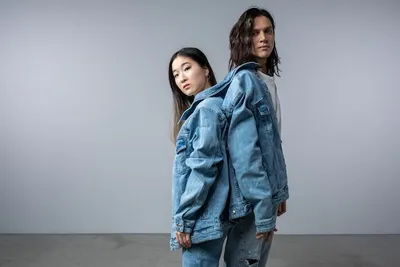
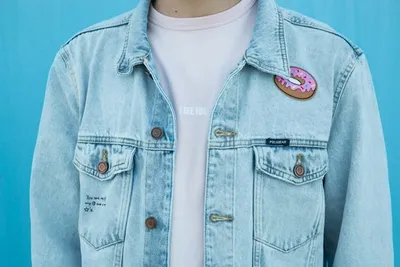
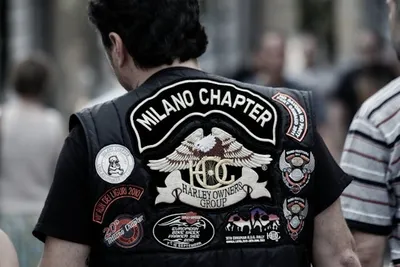
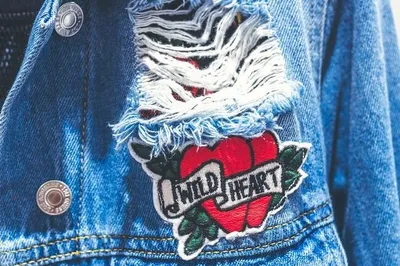
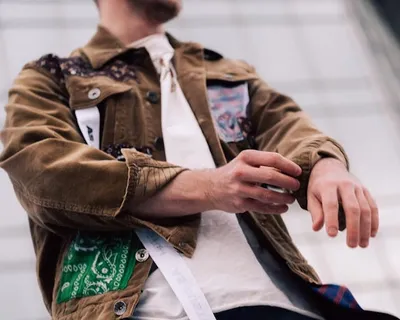
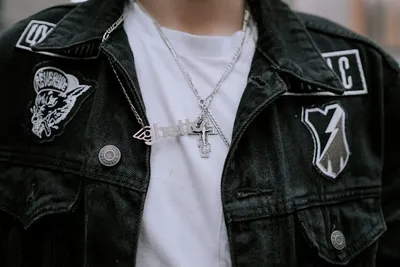
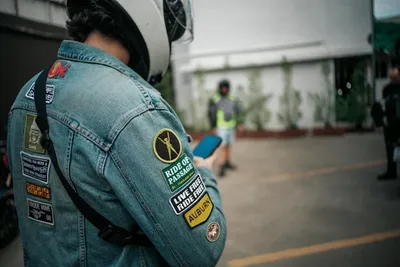
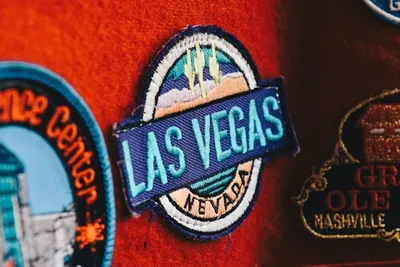
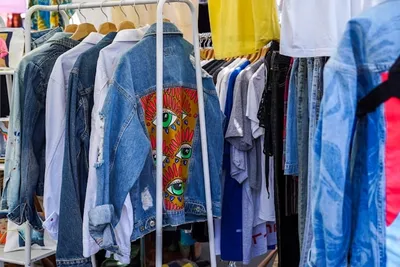
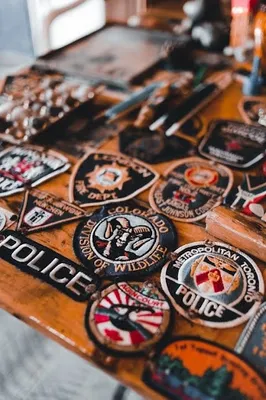
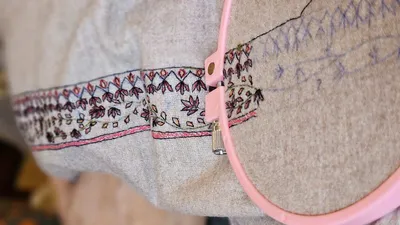
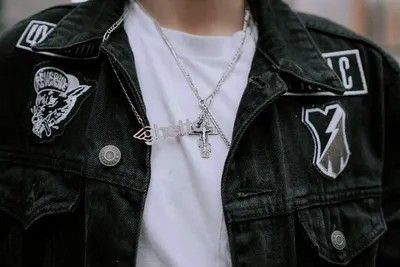
Embroidery and patches, like learning how to put patches on a denim jacket, offer texture and durability, particularly for workwear or outerwear. We have seen many beginners focus only on visuals and overlook how designs age with wear.
Understanding how to make and design your own clothes includes knowing how they will be used. For experimental projects, simpler methods reduce risk. As designs mature, investing in higher-quality printing becomes worthwhile.
The right choice depends on fabric, usage, and production scale.
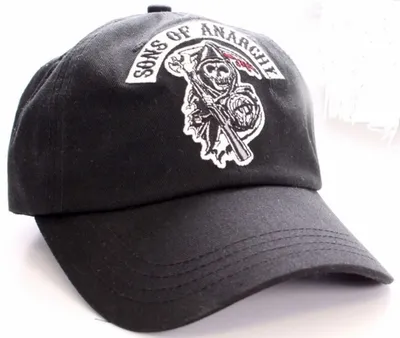
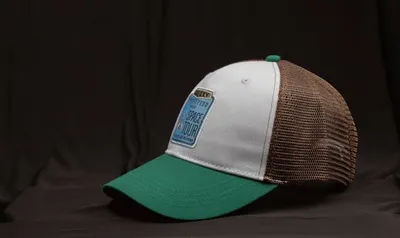
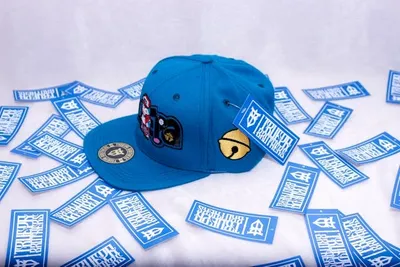
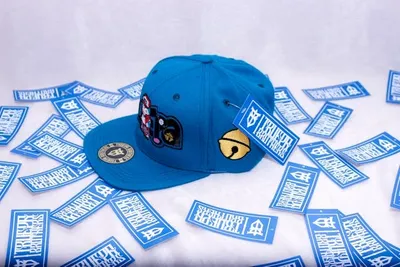
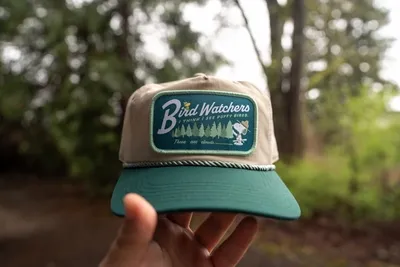
Personalize your hats with high-quality custom patches
Our high-quality custom hat patches are perfect for customizing hats so you can create your own outfits with ease.
Get startedHow Do You Move From Sketch To Sample In Clothing Design?
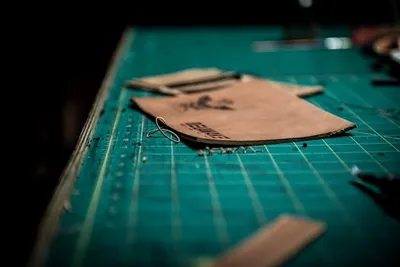
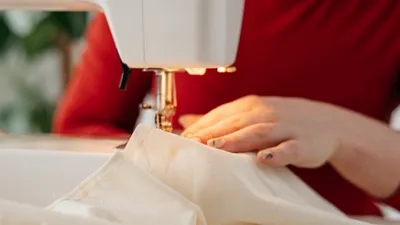
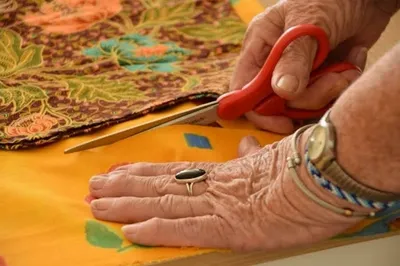
Turning a sketch into a physical sample is where design becomes tangible. This stage involves pattern drafting, fabric cutting, and sewing a test garment. Let’s take a look at the process and how it progresses.
The first sample is rarely perfect, and that is expected. We always advise that you avoid focusing entirely on appearance. Instead, you should evaluate:
- Fit
- Comfort
- Movement
Adjustments are part of the process and often reveal design flaws that sketches cannot show. A 2024 textile science article showed that virtual methods can streamline the design process and broaden creative options for designers, relevant to modern design workflows.
For those learning how to design and make your own clothes, sampling teaches patience and problem-solving. Each revision improves the final outcome. Treat prototypes as learning tools rather than failures, and the design process becomes far less intimidating over time.
Where Can You Learn To Design Your Own Clothes Effectively?
Education in clothing design comes in many forms, and no single path suits everyone. You may want to explore the options available to you, but most people find that a combination of formal training and self-exploration works best.
- Formal courses provide structure.
- Books and online programs allow self-paced learning.
We have found that communities, whether online or local, are just as valuable as coursework. Feedback accelerates growth and prevents bad habits from forming.
If you are serious about how to start designing your own clothes, repetition is essential. Skills develop through consistent practice rather than passive learning. And you should take opportunities to explore ideas like custom patches for sweatshirts and other embellishments.
Over time, exposure to different perspectives sharpens your design instincts. The most effective learning combines theory, experimentation, and honest critique, all applied steadily rather than rushed.
Here is a quick glossary of essential terms:
|
Term |
Definition |
Why It Matters for Beginners |
|
Silhouette |
The overall outline or shape of a garment when viewed from a distance. |
Helps beginners focus on the big-picture structure before adding details. |
|
Pattern |
A template made of paper or digital files used to cut fabric into shapes that form a garment. |
Understanding patterns is essential for moving from sketches to real garments. |
|
Seam Allowance |
Extra fabric added around pattern pieces to allow seams to be sewn. Typically 0.5–1.5 cm. |
Incorrect seam allowances cause poor fit or construction issues. |
|
Grading |
Adjusting a pattern up or down across multiple sizes while keeping proportions consistent. |
Key when preparing designs for production or multiple sizes. |
|
Technical Drawing (Flat) |
A precise, clean illustration of a garment showing seams, stitching, and construction details. |
Helps communicate designs accurately to manufacturers or pattern makers. |
|
Hem |
The finished edge of a garment, usually folded and stitched. |
Clean hems significantly improve garment quality and longevity. |
|
Trims & Embellishments |
Add-ons like patches, embroidery, piping, or appliqué used for personalization. |
Enhances design personality and supports your CTAs around custom patches. |
|
CAD (Computer-Aided Design) |
Software used to create accurate digital patterns and technical drawings. |
Helps transition from hobbyist sketching to professional production workflows. |
Frequently Asked Questions About How To Design Your Own Clothes
How To Design Your Own Clothes To Begin Your Creative Journey?
Start with simple sketches, visual references, and basic garment concepts. Focus on learning proportions and materials before pursuing complex designs.
How Do I Design My Own Clothes If I Have No Experience?
Begin with beginner-friendly tools and practice using simple shapes and techniques. Consistent experimentation builds skill more effectively than formal training alone.