Felt Patches DIY Ideas, Custom Designs And Easy Patch Making Techniques
Felt patches are small, but they can change the whole feel of a jacket, hat, or craft project. In this guide, we explain felt patches DIY projects in a practical way, from picking materials to attaching the finished patch. Learn to make custom designs that look fun without falling apart.

Key Takeaways
- Felt is one of the easiest patch materials because it does not fray much, cuts cleanly, and works well for simple layered designs.
- Wool blend felt usually gives better results than thin craft felt, especially for clothing, bags, hats, and gifts that need to last.
- Sew-on patches are strongest, iron-on patches are fast, and fabric glue works best for crafts or light-use pieces.
- We supply high-quality custom felt patches and many other materials that you can personalize and enjoy high-quality manufacturing with any attachment method you want.
Table of contents
-
Felt Patches DIY
-
Can You Make Patches From Felt For Clothing And Accessories?
-
What Is The Best Fabric For Patching Durable DIY Projects?
-
Can A Regular Sewing Machine Sew Through Felt Successfully?
-
How To Attach Felt Patches Using Glue Iron-On And No-Sew Methods?
-
What Supplies And Tools Do You Need For DIY Felt Patch Crafting?
-
Why Are These Cute Iron-On Felt Patches Super Easy For Kids To Make?
-
Which Felt Fabric Sheets Work Best For DIY Patch Projects?
-
Which Embroidered Iron-On And Sew-On Decorative Patches Are Most Popular?
-
Why Are Chenille Letter Patches Trending For DIY Clothing?
Felt Patches DIY
Felt patches are fabric shapes used to decorate, label, repair, or personalize items. They are popular because they work well for fashion, kids’ crafts, backpacks, costumes, and home decor without needing advanced sewing skills.
Felt is easier than many fabrics because the edges don’t unravel quickly. That means beginners don’t have to worry about fighting loose threads as they create things like:
- Stars
- Letters
- Animals
- Flowers
- Badges
- Simple logos
The basic process is simple: design the shape, cut the felt, layer details, then attach it. DIY felt patches also make sweet gifts because they can carry names, colors, jokes, or team themes.
How To Make Felt Patches Step By Step?
Start with a clear idea. Sketch the patch on paper, then turn that sketch into a template. This gives you a foundation to work from to build your felt patch.
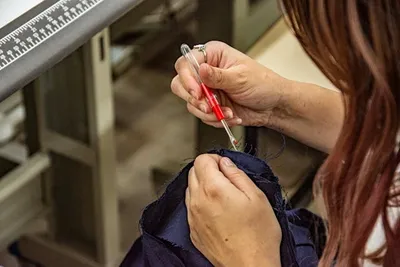
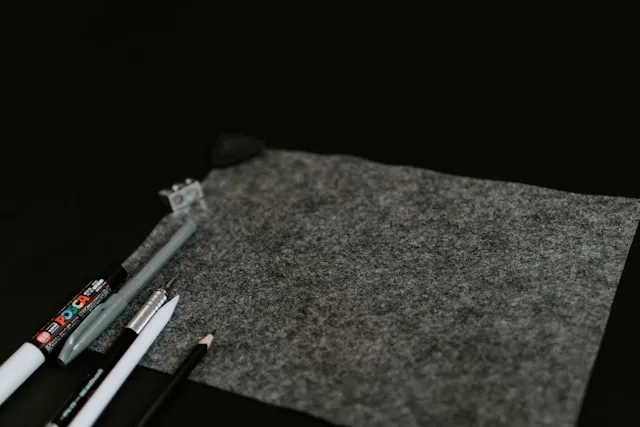
- Trace the template onto felt using chalk, a fabric marker, or tracing paper.
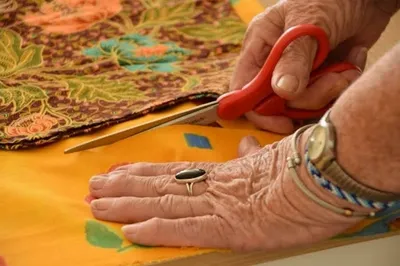
- Cut slowly with sharp scissors, keeping the blades long and steady instead of nibbling at the edge.
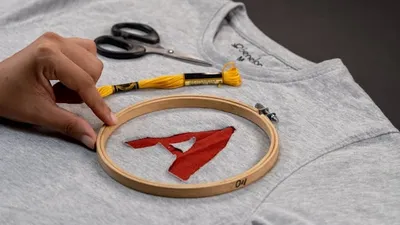
- Add smaller felt pieces on top if the design has eyes, letters, borders, or symbols. You can stitch the layers, glue them, or use fusible web.
- To attach the patch, sew around the edge, iron it on with adhesive backing, or use fabric glue. For a cleaner finish, press the patch flat under a book while it dries.
Alternatively, work with us to create custom embroidered patches and enjoy personalized designs and professional craftsmanship with zero effort on your part, all at great prices.
Can You Make Patches From Felt For Clothing And Accessories?
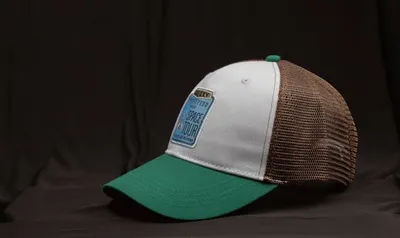
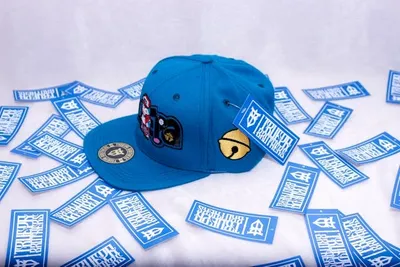
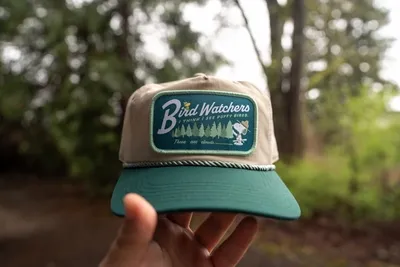
Felt works well for decorative patches on clothing and accessories. It is especially good for jackets, backpacks, hats, jeans, tote bags, and costume pieces. Different wool blends offer different properties, and polyester is a popular option.
Wool felt and wool blend felt are stronger than cheap synthetic felt, so they hold their shape better. Thin craft felt can still work for light décor or kids’ projects, but it may pill or stretch with use.
Felt is not always best for heavy-duty repair, like fixing a torn knee on work pants. It shines as decoration, so try initials on a backpack, a small moon on a denim jacket, or bright shapes on a child’s hat.
Interested in convenient iron-on patches for your clothing?
Work with us to create custom iron-on patches in a range of materials and styles to get the right look at a low price.
What Is The Best Fabric For Patching Durable DIY Projects?
Material choice affects how long a patch lasts and how polished it looks. Wool felt is strong, soft, and easy to cut. But it is not the only option available to you.
- Wool blend felt gives many of the same benefits at a lower price.
- Synthetic felt is cheaper and colorful, but it may feel thinner and less firm.
Thickness makes a difference. A patch that is too flimsy curls, while very stiff felt can be hard to sew through. If you are looking into how to make custom embroidered patches with a felt backing, this is a key consideration.
For sewing, choose medium-weight wool blend felt. For gluing, use felt with a tight surface. For iron-on patches, use felt that can handle heat. Always test a small scrap before making the final piece.
Why Is Wool Blend Felt Popular For DIY Patches?
Wool blend felt is popular because it sits in a useful middle ground. It feels nicer than thin craft felt, but it is not as costly as pure wool felt. It also cuts cleanly, holds detail well, and resists fraying, which is helpful when making small shapes.
We like it for beginners because it forgives little mistakes. If a curve is not perfect, the soft texture hides it better than shiny fabric would. Think about peel resistance and stiffness if you are making iron-on patches.
Choose sheets that feel dense, not see-through. Tug the edge gently - if it stretches too much or sheds, skip it. Better felt makes the whole patch look more careful.
Can A Regular Sewing Machine Sew Through Felt Successfully?
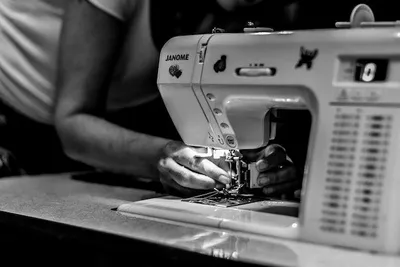
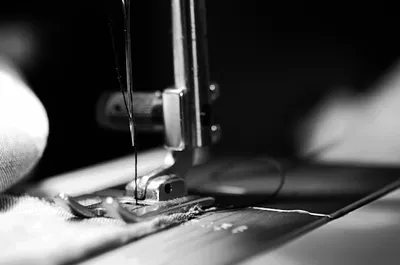
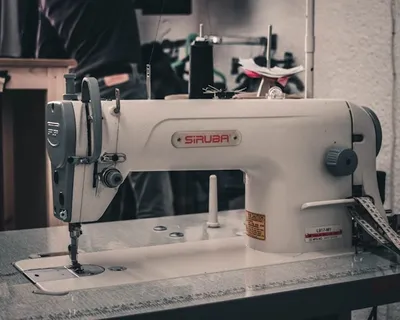
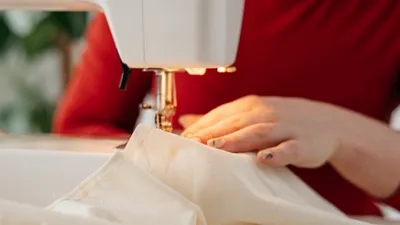
A regular sewing machine can sew through felt, as long as the layers are not too thick. Use a universal or sharp needle, usually size 80/12 or 90/14. Polyester thread works well because it is strong and easy to find.
Set the stitch length around 2.5 to 3 mm for clean lines. If the felt bunches, use a walking foot or place tissue paper under the patch while sewing. Skipped stitches may mean the needle is dull or too small.
Go slowly around curves - in most cases, you will find two layers are fine. Four thick layers may need hand stitching, patience, or a stronger machine. If you want to avoid the effort of custom felt patches, you can opt for an alternative like custom round buttons to display your designs.
What Is The Best Stitch For Felt Patches?
The best stitch depends on the look you want. For example, blanket stitch is a favorite for hand-sewn felt patches because it wraps the edge and looks decorative. Let’s look at some other options:
- Whip stitch is faster and good for simple shapes.
- A running stitch gives a softer handmade look, but it is not as strong around the edge.
- On a sewing machine, zigzag stitch helps seal the border and adds strength.
- Straight stitch works if the patch will not get heavy wear.
For beginners, we suggest blanket stitch by hand or a small zigzag by machine. Stitching reinforces the edge, keeps layers together, and makes the patch feel finished.
Represent your brand with professional patches
Skip the DIY effort and the felt fabric to get a high-quality custom brand patch made in the perfect style and fabric to showcase your logo.
Learn moreHow To Attach Felt Patches Using Glue Iron-On And No-Sew Methods?
Glue is useful when sewing is not possible or when the patch is for crafts, display pieces, costumes, or low-wash items. Use fabric glue, not school glue, because it stays flexible after drying.
Here’s how it’s done:
- Apply a thin layer to the back of the patch.
- Press it in place.
- Let it dry fully - some glues need 24 hours.
Iron-on adhesive is cleaner for clothing, but the fabric must handle heat. No-sew methods are quick, yet they are usually less durable than stitching. If the patch will be washed often, add a few hidden stitches after gluing.
For a truly secure attachment, use our service to create custom felt patches with a range of backing options. Enjoy diverse customization options and a secure attachment at competitive prices.
Are Iron-On Felt Patches A Good Alternative To Sewing?
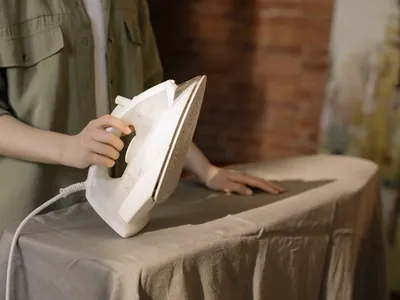
Iron-on felt patches are a good option when speed matters. They use fusible adhesive, such as HeatnBond, on the back of the felt. When heat is applied, the adhesive melts and bonds to the fabric.
This works best on cotton, denim, canvas, and some blends - avoid delicate fabrics that can scorch. Use a pressing cloth, hold the iron still, and follow the adhesive instructions. Fusible application methods offer convenience if not durability compared to sew-on methods.
Sliding the iron can shift the patch. Let it cool before touching it. For longer wear, stitch around the edge after ironing - we see iron-on patches as a smart shortcut, not always a full replacement for sewing.
Here’s some guidance to help you choose the right attachment method:
| Attachment method | Best for | Durability | Washable? |
|---|---|---|---|
| Sew-on | Clothing, bags, hats, frequent use | Highest | Yes, depending on felt and thread |
| Iron-on | Quick clothing decoration | Medium | Sometimes; reinforce for washing |
| Fabric glue | Crafts, costumes, low-wash items | Low to medium | Depends on glue |
| Self-adhesive felt | Cards, school crafts, temporary décor | Low | Usually no |
What Supplies And Tools Do You Need For DIY Felt Patch Crafting?
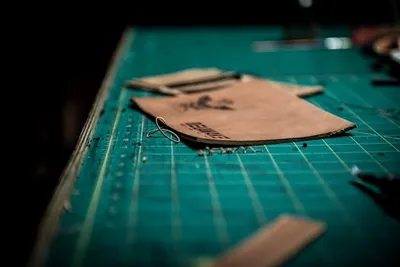
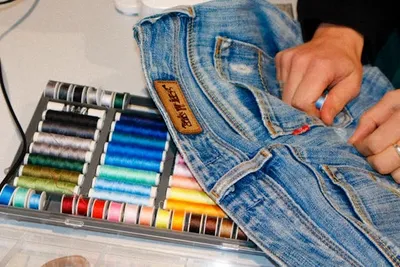
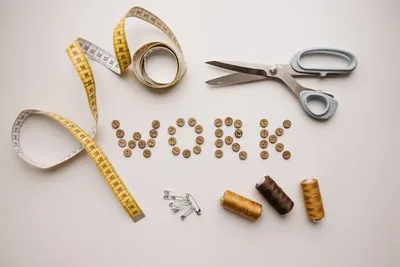
You can start with a small kit: felt sheets, sharp scissors, embroidery needles, thread, fabric glue, pins, paper, pencil, and a fabric marker. A cutting mat and craft knife help with tiny details, but they are not required.
For backing, you have several options:
- Fusible web
- Adhesive sheets
- Plain felt if you plan to sew the patch on
Embroidery floss adds color and texture. Small clips help hold layers without leaving pin holes, giving you space to learn how to glue patches to fabric successfully.
Beginners do not need to buy everything at once. We would start with wool blend felt, one good pair of scissors, fabric glue, and two thread colors. Good tools reduce frustration fast.
Which Felt Kits Are Best For Beginners?
Beginner felt kits usually include pre-cut shapes, felt sheets, thread, needles, stuffing, glue, and simple instructions. Kid-friendly kits often use larger shapes and blunt plastic needles, while advanced kits may include tiny pieces, embroidery details, or layered designs.
For a first patch project, choose a kit with simple shapes like:
- Animals
- Letters
- Flowers
- Badges
- Food shapes
Avoid tiny lettering until your cutting improves.
Kits help because they remove the hardest first step, which is choosing materials. They also build confidence. Once you understand how felt behaves, it becomes easier to design your own DIY felt patches without wondering whether each supply will work.
Looking for bespoke patches for your sweatshirt?
We can create custom patches for sweatshirts in felt or a range of other materials, displaying any design you want to wear.
Why Are These Cute Iron-On Felt Patches Super Easy For Kids To Make?
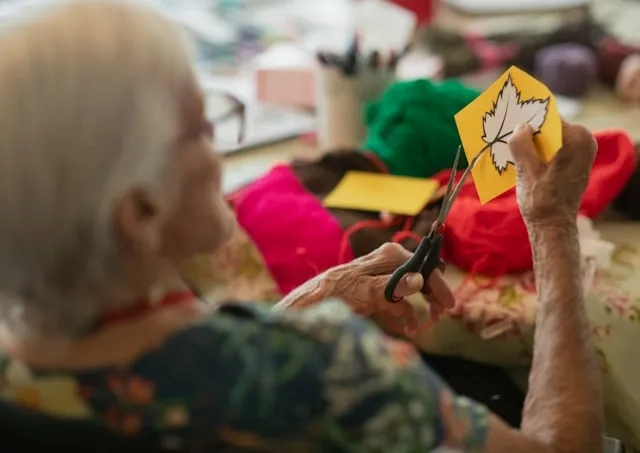
Felt crafts work well for kids because the pieces are soft, colorful, and easy to handle. Simple shapes like hearts, stars, clouds, initials, and animals are enough to make a patch feel personal.
Peel-and-stick felt keeps the mess low. Iron-on patches can also work, but an adult should handle the iron every time. Younger children should use safety scissors or pre-cut shapes - these projects can create patches that look great alongside things like custom printed wristbands.
The creative value is real too. Kids practice planning, color choice, fine motor skills, and patience without feeling like they are having a lesson. We like patch making for rainy days because the finished piece can actually be used.
Which Felt Fabric Sheets Work Best For DIY Patch Projects?
The best felt sheets for DIY patch projects are dense, smooth, and thick enough to hold their shape. Soft felt bends easily, which is good for curved clothing and small patches. Stiff felt works better for badges, ornaments, bag charms, and patches that need structure.
Adhesive felt sheets are useful for beginners because they remove one messy step, but they may not last on washable clothing. Felt-like fabric is versatile because it can be converted into various product forms for small textile projects, but patches are a popular one.
Assorted color packs are handy for kids and layered designs. Choose sheets large enough for your pattern, with extra space for mistakes. If the felt looks thin in the light, it may not make a strong patch.
Are Self-Adhesive Felt Sheets Better For Quick Crafting Projects?
Self-adhesive felt sheets are better when the project is quick, light, and not likely to be washed. They are great for cards, party crafts, signs, school projects, ornaments, and simple bag decoration.
Using them is simple:
- Peel the backing slowly.
- Press from the center outward.
- Smooth the edges firmly.
Some adhesive is removable, while some is meant to be permanent. Using them is even easier than iron-on backings as you don’t need to worry about iron-on patches not sticking.
Store sheets flat with the backing paper attached so dust does not weaken the glue. For wearable patches, self-adhesive felt alone is often not enough. Use it to position the patch, then add stitching or fabric glue if the item will be worn often.
Create something stylish to add to your garments
With our service, you can create the custom coolest patches with zero DIY effort, enjoying high-quality style without the DIY effort.
Get startedWhich Embroidered Iron-On And Sew-On Decorative Patches Are Most Popular?
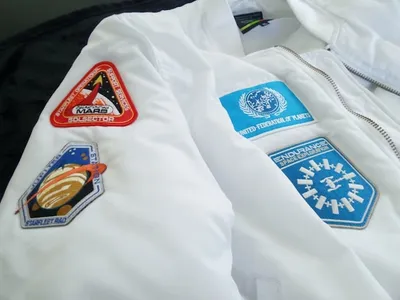
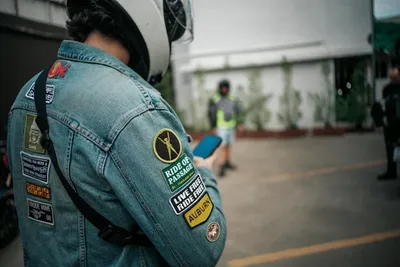
Premade embroidered patches are popular because they give instant detail. They are different from handmade felt patches, which usually have a softer and simpler look. Embroidered iron-on patches work well for denim jackets, jeans, backpacks, hats, and canvas totes.
Sew-on versions are better when the fabric is thick or textured. Embroidery’s widespread use in garments comes down to the sharp aesthetics, surface quality, and comfort. Popular designs include:
- Letters
- Flowers
- Animals
- Music symbols
- Sports themes
- Planets
- Retro badges
Mixing them with felt appliqués can look great. Place the embroidered patch as the sharp main detail, then add felt shapes around it for color or texture. Keep the layout loose before attaching anything permanently.
Why Are Chenille Letter Patches Trending For DIY Clothing?
Chenille patches are thick, fuzzy letter patches often used in varsity-style fashion. They feel bold without needing a complicated design. That is why they are showing up on jackets, sweatshirts, caps, backpacks, and tote bags.
Many come as iron-on, adhesive, or sew-on options. For a cleaner result, mark the letter placement with painter’s tape before attaching them. One crooked letter can spoil the whole word.
Chenille mixes well with felt patches because both have texture. Try a chenille initial with small felt stars, hearts, lightning bolts, or team colors around it. It feels custom, but it is still easy to build, and you can work with us to create custom chenille patches for a professional finish.
Frequently Asked Questions About 'Felt Patches DIY'
What is Felt Patch DIY?
Felt patch DIY means making your own patches from felt sheets, then attaching them to clothing, bags, hats, crafts, or décor. The process usually involves designing, cutting, layering, and sewing or gluing.
How Are Felt Patches Used On Clothing And Fashion Accessories?
Felt patches are used to add names, shapes, symbols, color, or simple repairs to jackets, backpacks, jeans, hats, and tote bags. Sew-on patches last best on items worn often.