Refashioning Clothes To Transform Old Fashion Into Sustainable Style
It’s easy to let old clothes sit in a drawer with no real use. Refashioning clothes gives those pieces another chance before they become waste. This guide looks at turning an old shirt into a crop top or jeans into a bag - you’ll be surprised how easy it is.
Key Takeaways
- Refashioning old clothes keeps useful fabric in your wardrobe longer, which helps reduce waste and saves money.
- Start with simple changes first, such as hemming, cropping, dyeing, patching, or changing buttons.
- The best refashion clothes ideas respect the garment’s shape instead of fighting it. Work with the fabric, not against it.
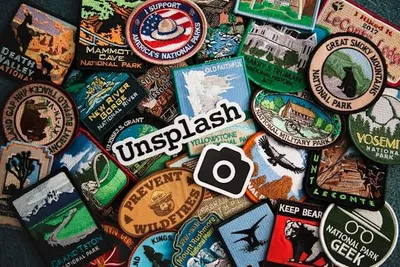
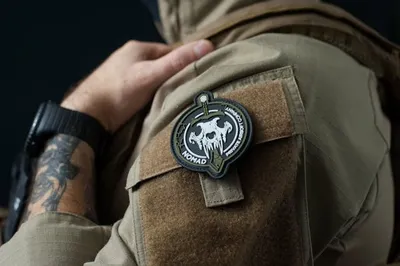
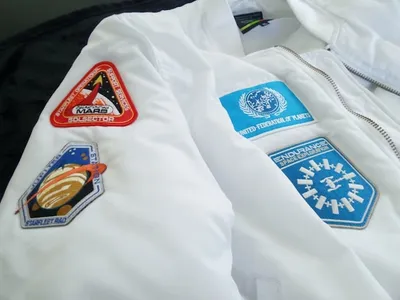
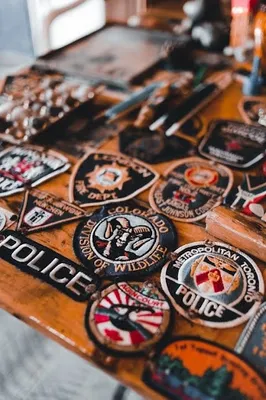
- We supply high-quality custom patches in a range of styles and materials that you can use to refashion your clothes with style.
Table of contents
-
What Are Refashioning Clothes?
-
How To Refashion Old Clothes Without Advanced Sewing Skills?
-
What Are The Best Refashion Clothes Ideas For Beginners?
-
What Refashioning Ideas And Techniques Create The Best Results?
-
What Practical Sewing Advice Helps During DIY Refashion Clothes Projects?
-
How Can Dyeing And Structural Changes Revive Old Clothing?
-
Why Should You Refashion Clothes Instead Of Throwing Away?
-
Which Blogs And Influencers Offer The Best Refashion Style Inspiration?
What Are Refashioning Clothes?
Refashioning clothes means taking old, unwanted, damaged, or outdated garments and turning them into something wearable again. It has become popular because people want more personal style and less waste.
Instead of buying another new piece, you can use what already exists. Options may include:
- Sewing a dress into a skirt
- Dyeing a faded shirt
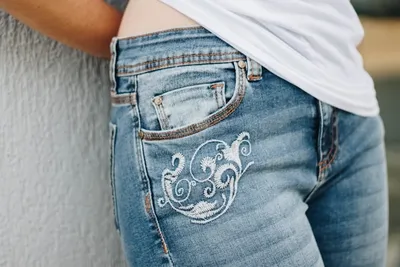
- Patching jeans
- Adding a trim
- Changing the fit
Refashioning old clothes is different from normal shopping because the design starts with a real garment in your hands. You respond to the fabric, seams, shape, and flaws, so the finished piece is less copied and more yours.
What’s The Difference Between Refashioning And Recycling?
Refashioning keeps a garment wearable. Recycling breaks the material down, often into fibers, rags, insulation, or industrial products. Both can be useful, but they are not the same.
If a shirt can still be cut, sewn, dyed, or reshaped, refashioning usually uses fewer steps and less energy. Textile recycling is better when clothing is badly stained, rotten, stretched beyond use, or unsafe to wear.
We see refashioning as the first choice when the fabric still has life - custom designer iron-on patches and similar accessories can help make it happen. Recycling is the backup plan when the garment cannot become clothing, a bag, a patch, a pillow cover, or anything useful at home.
| Garment | Best beginner ideas | Best patch placement | Difficulty | Tools needed |
|---|---|---|---|---|
| T-shirt | Crop, tank top, tote bag, tie-dye | Chest, sleeve, hem, back | Easy | Scissors, chalk, hem tape |
| Jeans | Shorts, patched knees, bag, visible mending | Knees, pockets, thigh, back pocket | Easy-medium | Denim needle, patches |
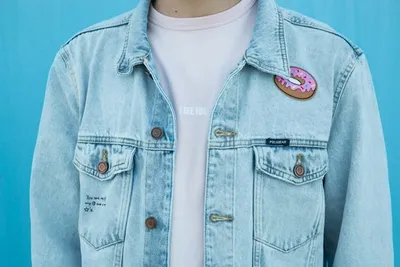
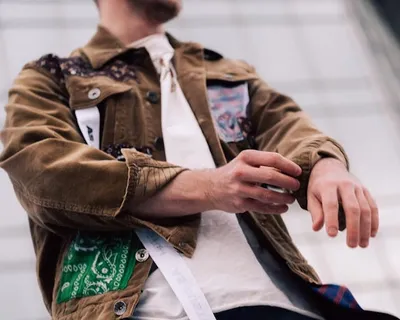
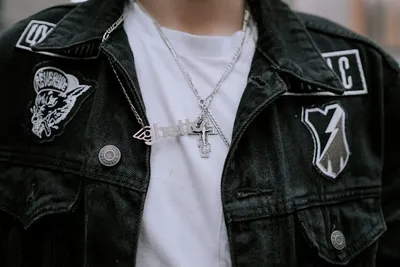
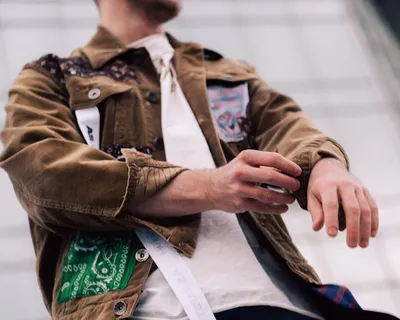
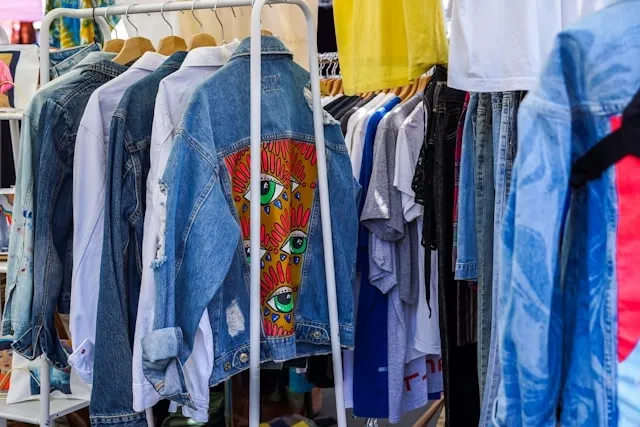
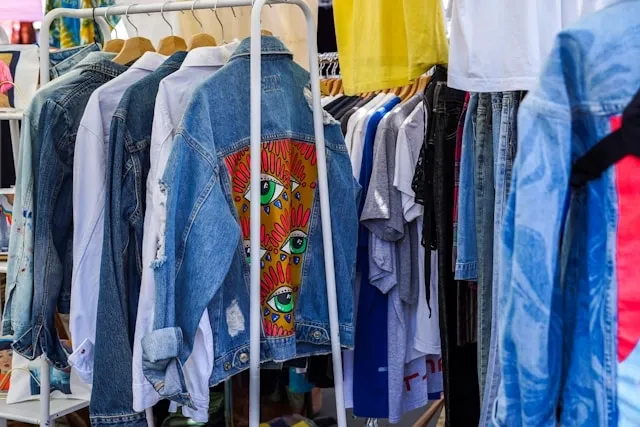
| Denim jacket | Back patch, sleeve patches, studs, painted panels | Back panel, chest, cuffs | Easy | Iron-on/sew-on patches |
| Sweater | Cushion cover, mittens, arm warmers | Elbow, chest, sleeve | Medium | Hand stitch, fusible backing |
| Button-down shirt | Apron, tunic, cropped shirt, child’s dress | Pocket, collar, cuffs | Medium | Pins, scissors, thread |
How To Refashion Old Clothes Without Advanced Sewing Skills?
You can learn how to refashion old clothes without advanced sewing skills by starting small. Do not begin with a lined blazer or silky dress - start with a cotton T-shirt, denim jacket, sweatshirt, or simple skirt.
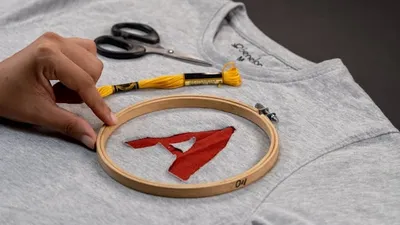
Cut sleeves, shorten hems, add patches, swap buttons, crop tops, or tie-dye faded pieces. Many beginner projects can be handled with things like:
- Fabric glue
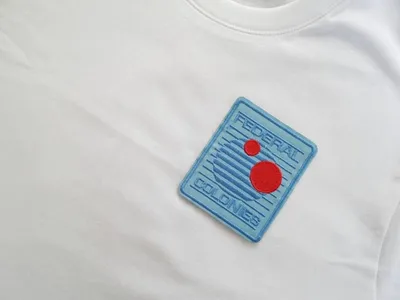
- Iron-on patches
- Fusible hem tape
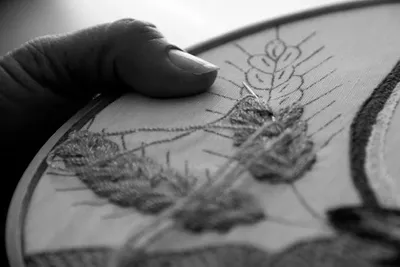
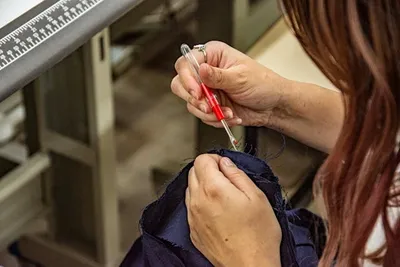
- Hand stitching
Try the garment on, mark changes with chalk, then take it off before cutting. You can even upcycle garments into interior decorative products. We have learned that guessing while wearing the item usually ends badly - a slow first cut gives you room to fix things.
What Type Of Garments Can You Refashion?
T-shirts, jeans, jackets, dresses, sweaters, button-down shirts, and skirts are all good choices. Oversized clothes work especially well because they give you extra fabric to shape. Let’s look at some examples:
- A large men’s shirt can become a tunic, apron, summer top, or child’s dress.
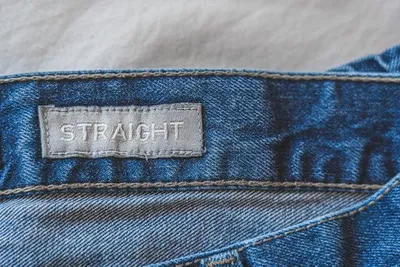
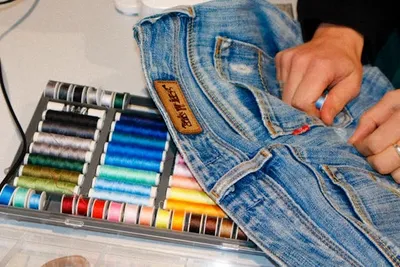
- Old jeans can become shorts, patches, bags, or pocket details.
For beginners, cotton, denim, fleece, and stable knits are easier than satin, chiffon, velvet, or stretchy lace. Avoid delicate fabrics at first because they slip, fray, or show every mistake.
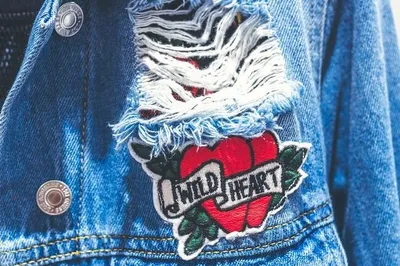
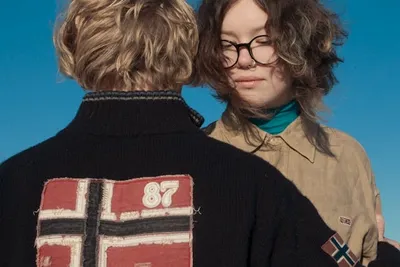
When choosing DIY refashion clothes projects, look for strong fabric, simple seams, and enough room to experiment. And consider simple changes - put patches on letterman jackets or add rips to worn jeans.
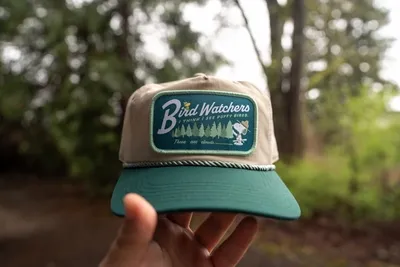
Looking for a simple way to refashion a hat?
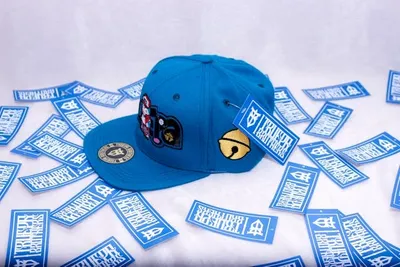
Work with us to create custom iron-on patches for hats and add a unique, bespoke design to your hat that reinvents it.
What Are The Best Refashion Clothes Ideas For Beginners?
The best beginner projects are visible but low-risk. Shorten a dress into a top, turn jeans into shorts, add a patch over a stain, or crop a sweatshirt. These are all simple ways to transform an existing garment.
Here are some other suggestions:
- Replace plain buttons with wood, metal, or pearl-style buttons.
- Add lace to a hem if the fabric suits it.
These refashion clothes ideas change the look without rebuilding the whole garment. Budget is an important consideration - thrifted shirts and old closet pieces are great practice because mistakes do not feel expensive.
We suggest choosing one change per project at first. A new hem, new color, or new detail is enough to redesign used clothing and make the piece feel fresh.
What Are The Easiest Things To Upcycle?
The easiest things to upcycle have simple shapes. For example, T-shirts can become tote bags, headbands, tank tops, cleaning cloths, or crop tops. Look for simplicity when you are a beginner.
- Jeans can become shorts, coasters, patches, or small zipper pouches.
- Sweaters can become cushion covers, mittens, or arm warmers.
No-sew ideas are useful too. Try cutting a T-shirt fringe, tying side seams, adding iron-on patches, or using fabric glue for trim. A plain tote bag is also a good first sewing project because the lines are straight.
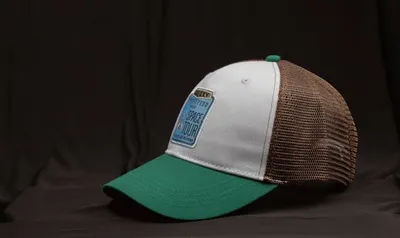
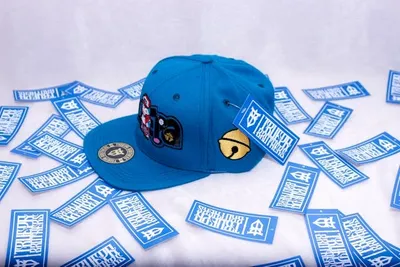
Simple shapes give you fewer places to go wrong. That matters when confidence is still catching up with ambition. You can combine your creations with pre-made bespoke items like custom Truman caps to curate a unique look.
Refashion your jeans with a striking new accessory
Our custom patches for jeans are a fantastic solution to change their aesthetic and give them a more personalized look.
Learn moreWhat Refashioning Ideas And Techniques Create The Best Results?
The best results come from matching the idea to the garment. For instance, a stiff denim jacket can handle patches, studs, paint, and heavy stitching.
A soft cotton dress may suit dye, a shorter hem, or a new waist tie. A thin knit top may not survive heavy embellishment. Understanding the properties of the garment helps with fabric manipulation and choosing the best design methods. Technique matters because fabric has limits.
Before you change anything, study the seams, noticing where the garment already has shape. If the shoulders fit, keep them; if the waist is wrong, adjust there. Refashioning clothes works better when we improve the strongest parts and hide or remove the weakest parts.
Why Should You Pre-Plan Before Cutting Fabric?
Cutting too soon is the fastest way to ruin a refashion. Pre-planning gives you a chance to test the idea before it becomes permanent. Sketch the change, even roughly. There are different ways to do this:
- Try the garment on inside out and mark the new hem, waist, sleeve, or neckline with chalk.
- Measure both sides so the shape stays even.
If you want to remove length, cut less than planned first - you can always trim more but you cannot put fabric back without making a design feature out of the mistake. We like pinning changes first and wearing the garment for a minute.
What Practical Sewing Advice Helps During DIY Refashion Clothes Projects?
Practical sewing starts with the right needle, thread, and stitch. Use a denim needle for jeans, a ballpoint needle for knits, and a universal needle for most woven fabrics.
You should also match thread weight to the garment, as thick thread on thin fabric can pull and pucker. Press seams before sewing whenever possible. It feels boring, but it makes the finished piece look cleaner.
Beginners often make mistakes like:
- Rushing curves
- Stretching fabric while sewing
- Forgetting to backstitch at the start and end
Perfection is not the goal, though. A slightly handmade look can be charming, while weak seams and twisted hems are the real problem. If you lack confidence, work with us to create custom fun patches to transform garments or cover up mistakes with ease.
Why Should You Use A Suitable Sewing Stitch?
A suitable stitch keeps the refashion wearable. Straight stitch works well on woven fabrics like cotton shirts, denim, and stable skirts, so it is a popular choice for many projects.
Here are some other options:
- Zigzag stitch is better for raw edges, appliqué, and fabrics that need a little movement.
- Stretch stitch or a narrow zigzag is best for knits because the seam can bend with the body.
If you use straight stitch on stretchy fabric, the thread may snap when you pull the garment on. Test the stitch on a scrap or hidden seam first. The right stitch protects the fabric, improves durability, and saves you from repairing the same seam twice.
Hoping to update your hat’s aesthetic?
Whether for fashion or personalization, our custom patches for hats are designed to fit perfectly on a range of hats and change their appearance.
How Can Dyeing And Structural Changes Revive Old Clothing?
Color and shape can change a garment more than people expect. A faded black T-shirt can become deep black again. A pale dress can become navy, rust, green, or charcoal, or a long skirt can become a shorter one with a cleaner line.
Dyeing works well with cotton, linen, rayon, and some blends, but not every fabric takes dye evenly. Read the dye packet before starting. Structural changes can be simple too - shorten sleeves, remove a collar, add a waist tie, or change buttons.
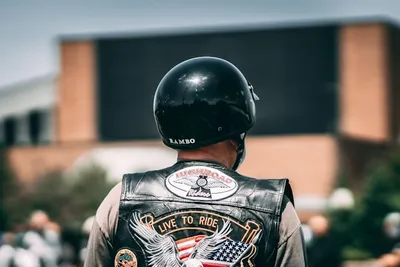
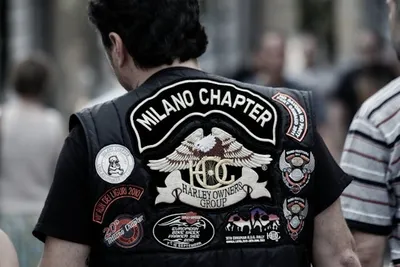
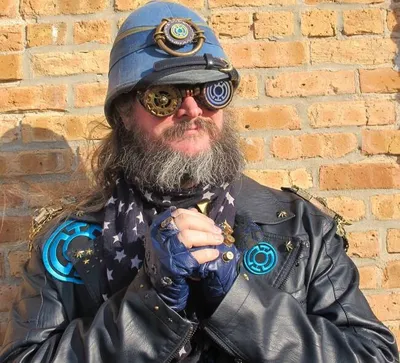
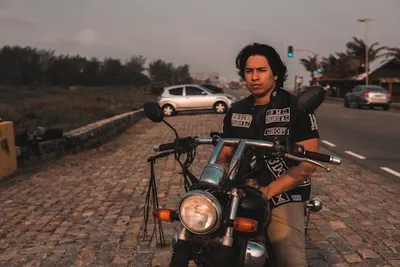
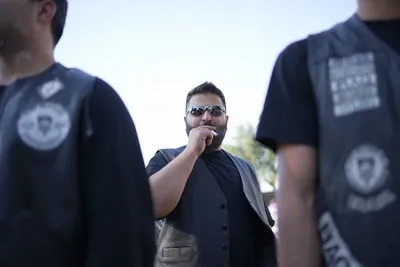
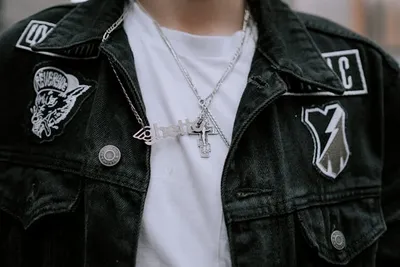
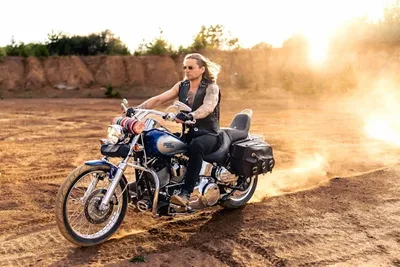
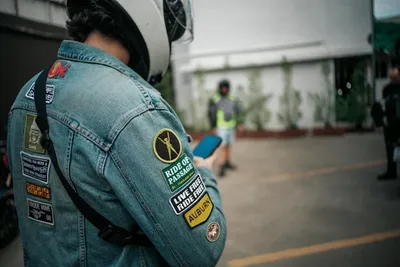
Combining dye with one sewing change often gives the strongest result without making the project too complicated. Adding patches can work, but consider the garment - there are rules for motorcycle vest patch placement, for example.
Why Can Dyeing Be A Life-Saver For Old Clothes?
Dye can save clothing that looks tired but still fits well. It is useful for faded shirts, stained dresses, pale jeans, and fabric that no longer matches your style.
You have various techniques to consider:
- Tie-dye gives a casual look.
- Ombre feels softer.
- A solid dye bath looks cleaner and more grown-up.
Natural fibers usually take dye better than polyester, though there are dyes made for synthetics. Always wash the garment first so oils and softener do not block the color.
We suggest dyeing one test item before risking a favorite piece. Sometimes the result is a little uneven, but that can still look intentional if the color is strong. Alternatively, create your own custom comfort colors adult heavyweight tank for a unique look in any color you want.
Add your favorite brand to a garment and refashion it
With our help, you can create custom brand patches that represent your favorite brands in personalized ways to make your clothing look unique.
Get startedWhy Should You Refashion Clothes Instead Of Throwing Away?
Throwing clothes away wastes fabric, labor, water, dye, shipping, and money. Even damaged clothing can have useful parts. Buttons can be saved, denim can become patches, and cotton can become cleaning cloths.
A sweater with one hole may still have enough good fabric for mittens or a cushion cover. Refashioning clothes also slows the habit of treating clothing as disposable. Upcycling and refashioning are seen as good environmental practices.
We do not need to rescue every sock, of course - some items are truly finished. But before using the trash bin, ask whether the garment can be worn differently, cut into something smaller, repaired, donated, recycled, or used around the home.
What Should You Do With Old Clothes That Cannot Be Donated?
Some clothes cannot be donated because they are torn, stained, worn thin, or missing parts. That does not always mean they belong in the trash. Here are a few suggestions:
- Cut cotton shirts into cleaning cloths.
- Save denim for patches.
- Turn soft fabric into stuffing for craft projects.
- Use old towels for pet bedding, garage rags, or moving pads.
Natural fibers like pure cotton, linen, and wool may be composted in some cases if they are free from synthetic thread, dye concerns, and hardware. Could patches rescue the garment? Look at denim jacket patch ideas to cover up damage and bring garments back to life.
Textile recycling centers are another option - check local rules first. Responsible disposal takes a little effort, but it keeps useful material moving.
Which Blogs And Influencers Offer The Best Refashion Style Inspiration?
Blogs, video creators, and social accounts can help when your own ideas run dry. Look for creators who show the full process, not just the pretty final photo. Good tutorials explain what went wrong, how they fixed fit issues, and why they chose a certain cut.
Sustainable fashion communities are useful because people share realistic projects, from thrift flips to visible mending. Save examples by garment type: shirts, jeans, dresses, sweaters, jackets. That makes ideas easier to find later.
We prefer creators who repeat basic skills often because that is how beginners learn - think things like adding custom patches for shoes. Fancy transformations are fun, but clear steps help more.
Why Is Refashionista Popular Among Clothing Upcycling Fans?
Refashionista is popular because the projects feel approachable. The focus is often on thrifted fashion transformations, which helps people see potential in ordinary garments.
- A dated dress becomes something wearable.
- A strange shirt gets reshaped.
- A piece that looked hopeless starts to make sense.
That kind of before-and-after work is motivating because it lowers the fear of trying. Beginners can learn from the changes without needing expensive fabric or advanced tools.
The best part, in our view, is that it treats style as flexible. Clothes do not have to stay exactly as they were bought. Social media influencers like Refashionista can help promote zero-waste fashion, driving towards a more affordable and sustainable economy.
Frequently Asked Questions About Refashioning Clothes
What Is Refashioning Or Upcycling?
Refashioning, or upcycling, means changing old clothing into something useful, wearable, or more personal. It can include sewing, dyeing, patching, cutting, resizing, or adding new details.
How Can You Refashion Clothes Without Using Advanced Sewing Tools?
Start with no-sew or low-sew changes, such as cropping, tying, dyeing, adding iron-on patches, using fabric glue, or replacing buttons. Simple hand stitching can handle many small fixes.