How To Attach Patches To Clothes And Fabric For Long-Lasting Results
Patches have been part of clothing and culture for a long time, used to make repairs or simply add personality. People often ask how to make patches last on clothing, but the answer depends on the patch and clothing. This guide teaches you how to attach patches to clothes properly.


Key Takeaways
- The best way to attach patches depends on the patch backing and the fabric. Sewing usually lasts longest, while glue and iron methods work for quick applications.
- Proper positioning and preparation help patches stay secure. Pins, temporary adhesives, or careful measuring prevent crooked placement and uneven edges.
- Washing and wear can loosen poorly attached patches. Reinforcing edges and choosing the right attachment method improves long term durability.
- We supply high-quality custom patches with a range of backing types so you can get your preferred attachment at a price you will love.
Table of contents
-
How To Attach Patches?
-
What Types Of Patches Affect How You Attach Them?
-
How To Attach Patches Without Sewing?
-
How To Stick Or Glue Patches On Clothes Using Fabric Adhesives?
-
How To Sew On A Patch For The Most Secure Attachment?
-
How To Attach Patches To Leather Jackets Or Thick Fabrics?
-
How To Attach Boy Scout Patches Without Sewing?
-
What Tools And Preparation Are Needed Before Attaching Patches?
-
How To Keep Patches From Falling Off Clothes?
How To Attach Patches?
There are many reasons why people use patches, but the real question usually appears once the patch is in hand. How do you attach patches so they stay in place and still look clean? The most common approaches include sewing, ironing, fabric glues, and removable Velcro systems.
Each technique works in slightly different situations:
- Sewing tends to provide the strongest hold, especially for garments that go through frequent washing.
- Iron-on patches rely on heat-activated adhesive, which works well on certain fabrics.
- Glue offers a fast solution when sewing isn’t practical.
The best way to attach patches often depends on the fabric, the patch backing, and whether the patch needs to be permanent.
How To Position A Patch Correctly Before Attaching
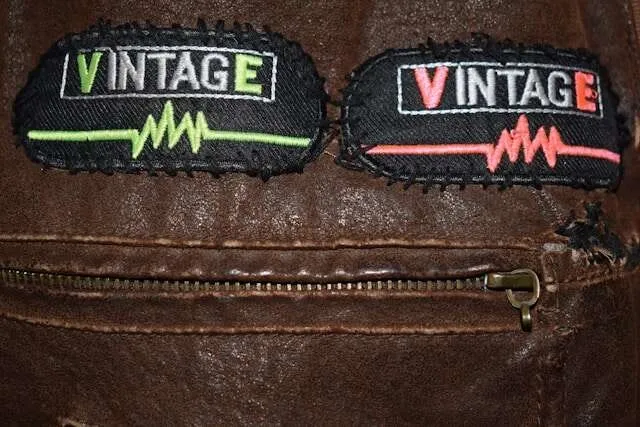
Before anyone starts sewing or ironing, placement deserves careful attention. Positioning a patch incorrectly is one of the most common mistakes we see. Once a patch is attached, adjusting it can be difficult without damaging the fabric.
A good approach is to place the patch on the garment and step back to view it from different angles. There will be slightly different positioning for different garments because seams and pockets affect alignment, so carefully consider:
- Cotton shirts
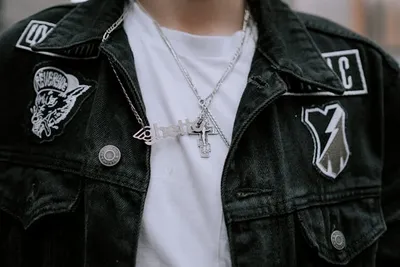
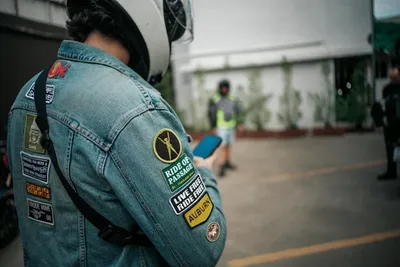
- Denim jackets
- Polyester uniforms
Many people use pins to hold the patch temporarily. Others prefer small pieces of fabric tape that keep it from shifting. Taking a moment to align custom patches for jeans, jackets, hats, and more properly makes the finished result look intentional.
|
Use Case |
Best Method |
Why |
Permanence |
Removable |
|
School uniforms / scout badges |
Sewing (iron-on optional to hold position) |
Handles frequent washing |
Very high |
Hard |
|
Fashion patches on jackets |
Sewing |
Keeps large or heavy patches flat |
Very high |
Hard |
|
Temporary event patches |
Fabric adhesive or Velcro |
Quick to apply and remove |
Low–medium |
Yes |
|
Workwear logo patches |
Sewing or heat-press iron-on |
Durable under heavy wear |
Very high |
Usually no |
|
Tactical / morale patches |
Velcro |
Designed for quick swapping |
Medium |
Yes |
|
Repair patches (holes/tears) |
Sewing |
Reinforces damaged fabric |
High |
No |
|
Bags and backpacks |
Sewing or Velcro |
Thick fabrics resist glue |
Medium–high |
Depends |
What Types Of Patches Affect How You Attach Them?
Not all patches behave the same way. Understanding patch construction helps determine how to attach a patch effectively. Let’s look at embroidered patches and a few other types:
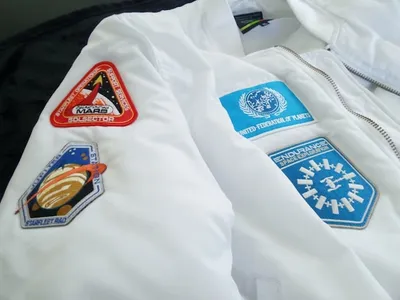
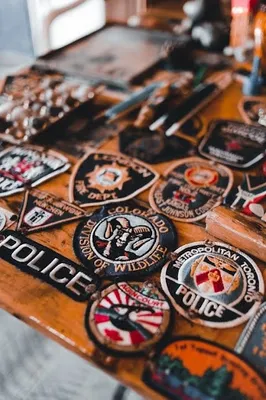
- Embroidered patches are common and often come with either plain fabric backing or heat activated adhesive.
- Iron on patches contain a special layer that melts slightly under heat, allowing them to bond with fabric when you know how to iron on patches.
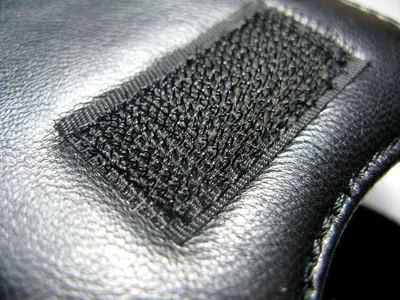
- Velcro patches use hook and loop systems that allow them to be removed or swapped easily.
- Adhesive backed patches rely on pressure sensitive glue.
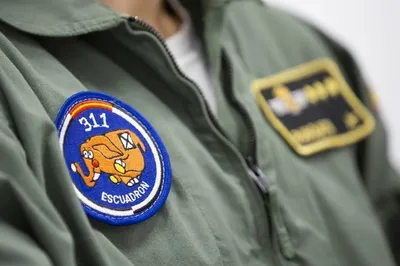
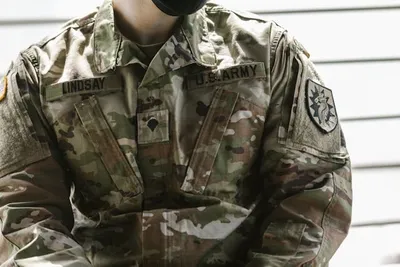
The backing material usually determines whether ironing, sewing, or another method is appropriate. Uniforms and tactical gear sometimes use removable patch systems so badges or identification can change quickly when needed.
Looking for patches that can be easily attached and removed?
Work with us to create custom Velcro patches that you can easily attach and detach to switch up your look whenever you want.
How To Attach Patches Without Sewing?
Not everyone enjoys sewing, and in some situations it simply is not practical. Fortunately there are several ways to attach patches without using a needle and thread. Iron on adhesive patches are probably the most familiar option.
Heat from an iron activates the adhesive layer and bonds the patch to the fabric. There are alternatives, of course:
- Fabric glue is another solution that many people rely on for decorative patches.
- Velcro systems also provide flexibility because patches can be attached and removed easily.
No-sew methods work especially well for quick repairs or temporary decoration. Research from 2021 showed that visible mending techniques can significantly increase garment longevity. Still, it is worth remembering that some fabrics respond better than others to adhesives and heat - sewing often offers the most durability.
What Are The Different Methods For Attaching Patches Without Sewing?
Several no sew techniques can secure patches, though each has its own strengths. In practice, we tend to see iron on methods used for decorative clothing patches, glue for quick fixes, and Velcro for uniforms or tactical gear.
- Iron on patches rely on heat to activate adhesive backing. When applied correctly, the bond can be surprisingly durable.
- Fabric glue offers another approach and works well for lightweight fabrics that cannot tolerate high heat.
- Velcro systems provide a completely different solution. Instead of permanent attachment, they allow patches to be swapped whenever needed.
Choosing between them usually depends on how permanent the patch should be and how often the garment will be washed. If you are looking for how to apply patches without sewing, explore each option carefully.
How To Use Velcro To Attach Patches Without Sewing?
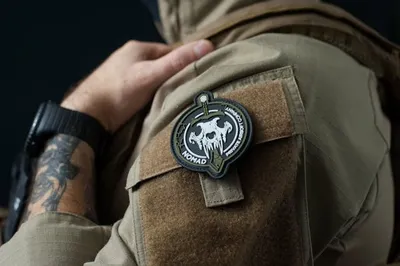
Velcro systems have become popular in uniforms, outdoor gear, and tactical clothing because they allow patches to be removed quickly. The system works by pairing two surfaces:
- One piece uses tiny hooks.
- The other uses soft loops.
When pressed together they hold surprisingly well. To attach patches this way, one side of the Velcro attaches to the patch and the other to the garment. Some versions use adhesive backing, while others require sewing the Velcro strip to the fabric. Adhesive Velcro can work for lighter garments, though sewing the base layer often provides stronger hold.
Many organizations prefer Velcro because patches can be swapped without replacing the clothing. A study from 2021 shows that patches are useful for sustainable fashion too, enabling garments to remain usable after damage.
How To Attach Patches Using Iron On Adhesive?
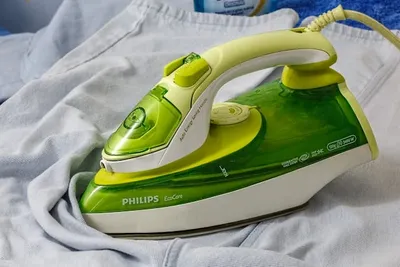
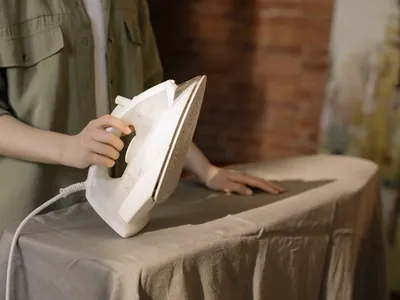
Iron on patches remain one of the simplest ways to attach patches to fabric. The patch backing contains a layer of adhesive that activates when exposed to heat. Once the iron presses down, the adhesive softens and bonds with the fabric fibers.
Here are a few tips to achieve a good attachment:
- A steady pressing motion usually works better than moving the iron around too quickly.
- Denim jackets and cotton fabrics often respond well to this method.
- Some people reinforce iron on patches with a few stitches around the edges for extra durability. That small step can help prevent corners from lifting over time.
Iron methods are popular because they combine speed with a relatively clean appearance. If you want an even simpler alternative, you could opt for custom round buttons instead of patches to add decorative touches to your garments.
How To Stick Or Glue Patches On Clothes Using Fabric Adhesives?
Fabric adhesives offer a practical way to attach patches when sewing or ironing is inconvenient. People often search for how to stick patches on clothes or how to glue patches on clothes when working with delicate fabrics or quick repairs.
Textile glue is designed to bond with fibers while remaining flexible once dry. The usual approach is simple:
- Apply a thin, even layer of adhesive across the patch backing.
- Press it firmly onto the fabric
- Allow the necessary drying time. Many adhesives need several hours to cure properly, so leaving the garment flat during that time helps prevent shifting.
One detail worth remembering is that excess glue can seep through thin fabrics, so using small amounts usually produces cleaner results. Work with us to create custom large patches with any backing type you want to enjoy bespoke decorative touches at great prices.
Choose convenience and speed with our most popular patch type
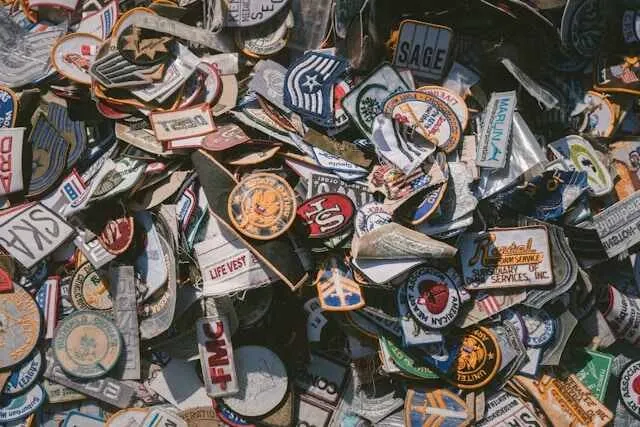
Custom iron-on patches produce a semi-permanent attachment and all you need is an iron to apply your patches.
Learn moreHow To Sew On A Patch For The Most Secure Attachment?
Among all the options available, sewing remains the most dependable way to attach patches to clothes. When patches need to survive frequent washing or heavy use, stitching usually performs best. Sewn patches are known to remain secure over time, so they are the most popular choice for:
- Uniforms
- Jackets
- Work garments
The process itself is straightforward. The patch is positioned, pinned in place, and stitched along the outer border. This method allows the thread to reinforce the edges where patches often begin to lift.
Both hand sewing and machine sewing can work well depending on the garment. From experience, we often recommend stitching whenever durability matters more than convenience.
How To Sew A Patch By Hand For Clothing Or Fabric?
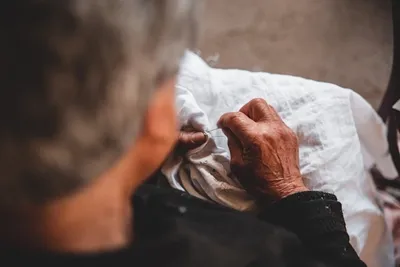
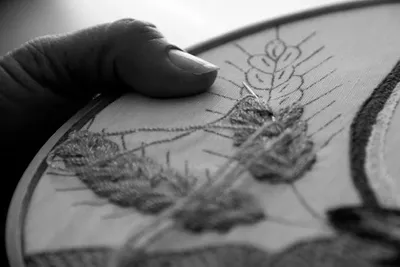
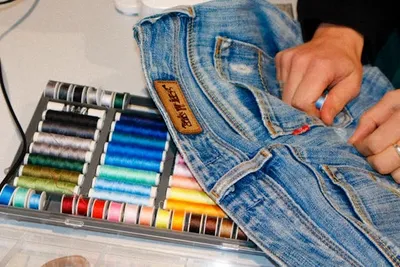
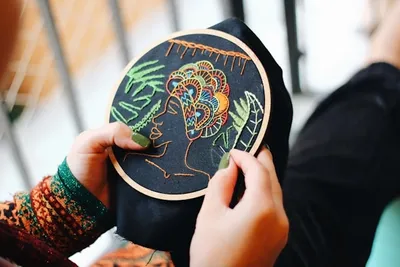
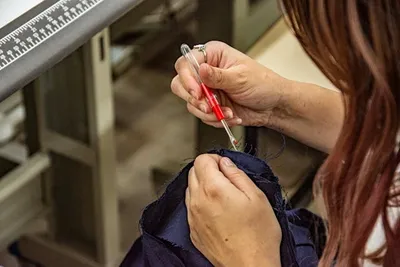
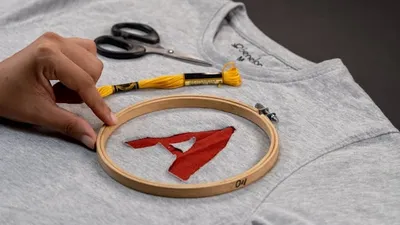
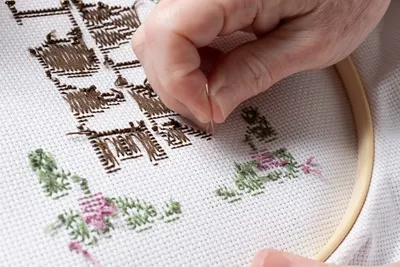
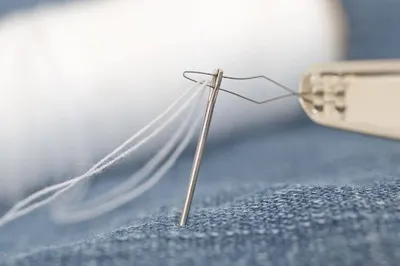
Hand sewing may sound old fashioned, yet it remains one of the most precise ways to attach patches to fabric. It works particularly well when the garment cannot easily fit under a sewing machine or when the patch sits near seams or pockets.
Here’s what you need for how to sew a patch onto a jacket or other garment:
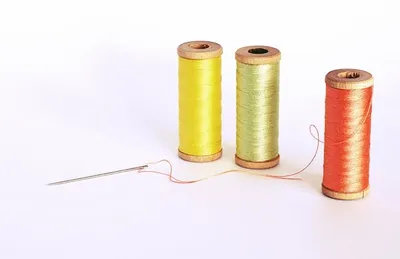
- A needle
- Strong thread
- A little patience
The stitch runs around the border of the patch, catching both the patch backing and the garment beneath it. Many people prefer a simple whip stitch or small running stitch. These techniques provide solid hold while keeping the thread relatively discreet.
Hand stitching also allows careful control, which is helpful for delicate fabrics.
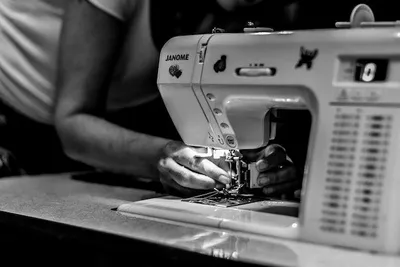
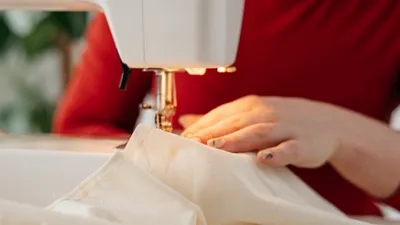
How Can You Sew On A Patch With A Sewing Machine?
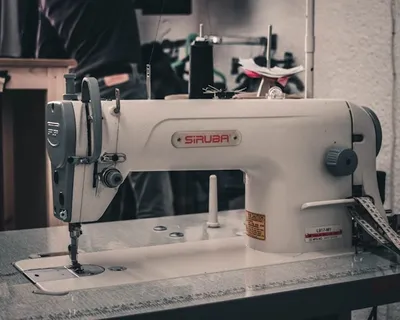
A sewing machine speeds up the patch attachment process considerably. Once the patch is positioned and pinned, the garment can be guided under the needle so the stitching follows the outer edge of the patch.
Machine stitching tends to be very consistent, which improves durability for garments that see heavy use. Thick materials such as denim jackets or canvas bags often benefit from machine sewing because the needle passes through layers more easily than hand stitching.
Before starting, do the following to make the process smoother:
- Adjust the stitch length
- Select a strong thread
Many people find that machine stitching produces a clean professional finish with very little effort. Researchers have found that patches may be made from materials like woven cotton or cotton-polyester blends, so make sure your needle and thread are compatible.
Interested in high-quality patches you can sew on?
Our custom embroidered patches are popular for a sew-on backing, but we have many other types compatible with this permanent attachment method.
How To Attach Patches To Leather Jackets Or Thick Fabrics?
Leather jackets and thick fabrics require more caution during patch attachment. Heat methods rarely work well on leather, so iron on techniques are usually avoided. Instead, people often rely on specialized leather adhesives or Velcro backing systems.
When working with glue, choosing an adhesive formulated for leather helps protect the material. Another approach involves sewing patches carefully using heavy needles designed for thicker fabrics.
We have seen some people test the attachment on an inside seam first to check how the material reacts. That small step can prevent damage. Leather garments can look striking with patches, but sometimes a custom Comfort Colors adults hooded sweatshirt with a bespoke design is simpler..
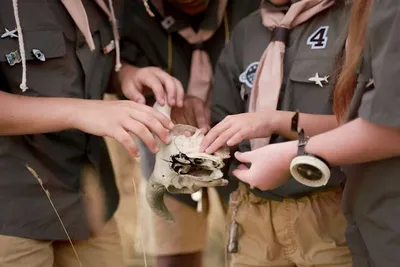
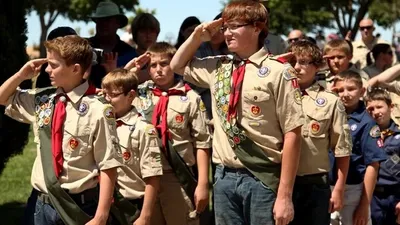
How To Attach Boy Scout Patches Without Sewing?
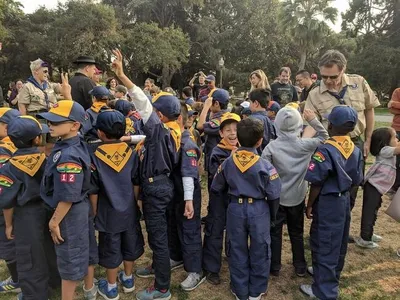
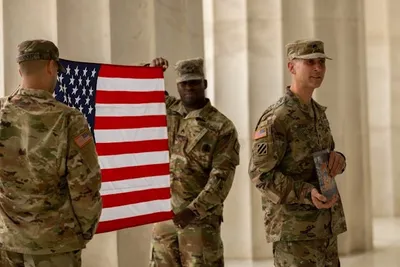
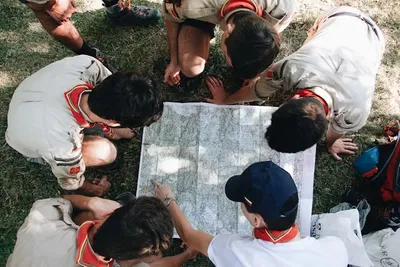
Parents and volunteers frequently search for easier ways to handle scout badges. Sewing each badge individually can take time, especially when patches change regularly. This is why many people look for how to attach patches without sewing when working with scout uniforms.
Here are the most common solutions:
- Iron on adhesive sheets provide one option because they bond the patch to the uniform fabric quickly.
- Fabric glue also appears in many quick solutions.
- Some families even use Velcro systems so badges can be swapped as achievements change.
While these methods can save time, reinforcing the edges with small stitches sometimes improves durability, particularly when uniforms go through regular washing. Some studies have shown that embroidery attachment can be a good approach if you have the skill.
Consider a reliable but temporary attachment method
Use our service to create custom adhesive patches that offer a temporary attachment for events and can be kept as keepsakes afterwards.
Get startedWhat Tools And Preparation Are Needed Before Attaching Patches?
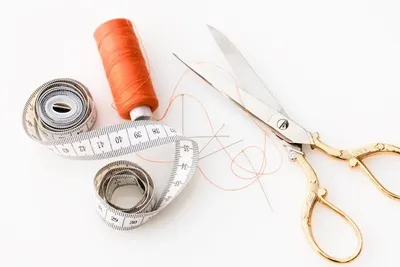
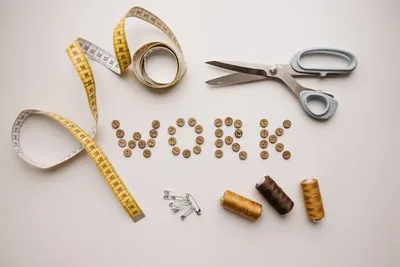
Preparing the right tools makes patch attachment noticeably easier. Even simple projects benefit from basic supplies. Needles, thread, pins, scissors, and fabric glue are common items people keep nearby.
If the patch uses heat activated adhesive, you will also need:
- An iron
- A pressing cloth
Planning placement before starting prevents frustration later. Many people place the patch on the garment and check alignment in a mirror or against a flat surface. That quick step ensures the patch sits straight.
Whether the goal is to add patches to clothes for decoration or repair, careful preparation usually improves the final appearance and durability of the attachment. Research has shown that clothing patching is very common among people interested in sustainability.

How To Keep Patches From Falling Off Clothes?
Patches sometimes detach because of small issues that appear during application. Insufficient heat, weak adhesive, or loose stitching can all contribute to failure. Reinforcing the edges of the patch often prevents lifting corners.
Even iron on patches benefit from a few small stitches around the border. Washing habits also play a role:
- Turning garments inside out before laundering helps reduce friction against the patch.
- Lower heat during drying can protect adhesives from weakening.
Over time, we have noticed that patches last longer when the attachment method matches the fabric type. Careful application of custom morale patches or other types usually prevents patches from falling off later.
Frequently Asked Questions About How To Attach Patches
What Is The Best Way To Attach A Patch?
Sewing is generally the best way to attach a patch because the stitches hold through repeated washing and wear. Iron on or glue methods can work well for lighter use or decorative garments.
How Can You Attach Patches Without Sewing?
Iron on adhesives, fabric glue, and Velcro systems all allow patches to be attached without sewing. These methods are convenient, though they may not last as long as stitched patches.