How To Sew Patches On Shirts, Jeans, And Sleeves With A Sewing Machine
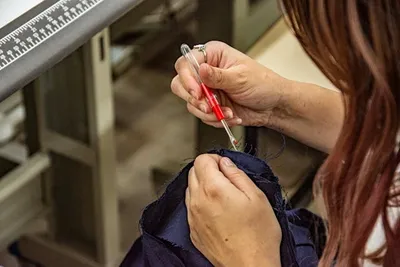
There is something satisfying about attaching a patch properly. It turns a loose piece of fabric into something that feels intentional, almost permanent. When we look at how to sew on a patch with a sewing machine, we are aiming for clean lines, durability, and a lasting finish.
In this guide, we focus on sewing on patches with a machine in a way that feels reliable, even for beginners working through their first attempt. A machine helps, but only if we set it up well and take our time.
Key Takeaways
- Machine stitching offers stronger, longer-lasting results than adhesive alone, especially for garments that are washed often or worn regularly in daily use.
- Proper setup, including needle choice and tension adjustment, prevents common issues like skipped stitches, puckering, or machine jamming during sewing.
- Careful positioning and slow, controlled stitching improve accuracy, particularly when working on sleeves or thicker materials like denim and layered fabrics.
- We supply high-quality custom patches in a range of styles and materials that you can sew onto your garments by hand or with a machine.
Table of contents
-
How To Sew On A Patch With A Sewing Machine?
-
What Materials And Tools Do You Need Before Sewing Patches On A Shirt Or Jeans?
-
How To Set Up Your Sewing Machine For Sewing The Patch?
-
What Is The Best Stitch For Sewing On A Patch With A Machine?
-
What Kind Of Needle And Thread Should You Use For Sewing Patches?
-
How To Position And Secure A Patch Before Stitching?
-
How Do You Sew Patches On Shirts, Jeans, And Sleeves With A Sewing Machine?
-
Can You Sew An Iron-On Patch With A Sewing Machine For Permanent Hold?
-
Why Is Your Sewing Machine Jamming While Attaching A Patch?
-
How To Finish Sewing A Patch Cleanly And Securely?
-
Is It Better To Sew Patches By Hand Or With A Sewing Machine?
-
What Is A Patch Sewing Machine And Do You Need One?
How To Sew On A Patch With A Sewing Machine?
When we talk about how to sew on a patch with a sewing machine, the process is fairly straightforward once you understand the rhythm of it. We start with placement, then secure the patch before stitching slowly around the edge.
Machine stitching offers a level of durability that adhesive methods rarely match, especially after repeated washes. The speed of a sewing machine also helps when you order custom wholesale patches and have large quantities to apply to garments.
Stitch choice and thread make a bigger difference than you might expect:
- A tight zigzag tends to grip the edge well.
- A straight stitch feels more subtle.
One small habit we rely on is pivoting with the needle down at corners. This helps keep edges clean and controlled.
What Materials And Tools Do You Need Before Sewing Patches On A Shirt Or Jeans?
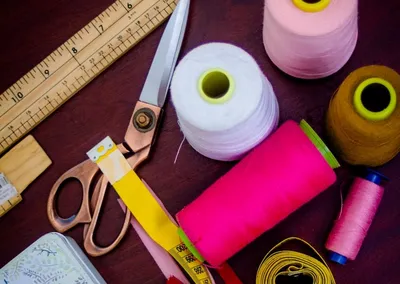
Before sewing patches on shirts or tackling sewing patches on jeans with a machine, it helps to gather everything in one place. We usually work with:
- The patch itself
- The garment
- A matching thread
- The right needle
Beyond that, simple tools make the process smoother. Pins, small scissors, and even a bit of fabric glue can help hold things steady. Researchers have identified how different machine stitch types affect strength, so this is definitely worth noting.
Not all patches behave the same either. Embroidered ones are thicker, woven patches lie flatter, and iron-on types have adhesive backing. Knowing what you are working with early saves time later and avoids unnecessary adjustments mid-stitch.
|
Garment fabric |
Patch type |
Needle |
Thread |
Recommended stitch |
|
T-shirt jersey (stretch) |
Embroidered |
Ballpoint 80/12 |
Polyester |
Narrow zigzag |
|
Denim jacket |
Thick embroidered |
Denim 100/16 |
Polyester/heavy poly |
Zigzag or edge stitch |
|
Canvas bag |
Woven |
Universal 90/14 |
Polyester |
Straight or edge stitch |
|
Nylon shell |
Woven |
Microtex 70/10 - 80/12 |
Polyester |
Straight + longer length |
Looking for embroidered patches to embellish your apparel?
Our custom embroidered patches can be designed however you like and are suitable for sewing machine application.
How To Set Up Your Sewing Machine For Sewing The Patch?
Machine setup tends to be where small errors creep in. When learning how to sew on patches with a sewing machine, we take a minute to check threading, bobbin placement, and tension before touching the actual garment.
It is not complicated, but skipping it often leads to uneven stitching. Choosing the stitch before starting is important too, especially if you are working with thicker patches. We almost always test on scrap fabric first. It sounds basic, yet it prevents frustration later.
Once the machine feels balanced and smooth, the rest of the process becomes much easier to control and far more predictable. Of course, you will need to think about specific settings for woven vs embroidered patches, or other patch types.
Should You Use A Clear Sewing Machine Foot?
A clear presser foot is one of those small upgrades that quietly improves accuracy. When sewing on patches with a machine, visibility matters more than you might expect. Being able to see the edge of the patch clearly helps guide the stitch line without drifting.
Here are some benefits of a clear foot:
- We have found that it reduces the need to constantly stop and adjust.
- It also builds confidence, especially for beginners working on their first few projects.
While a standard foot works fine, the added visibility makes a noticeable difference when precision is important, particularly around tight corners or detailed patch borders.
What Is The Best Stitch For Sewing On A Patch With A Machine?
Stitch choice shapes both the look and durability of the final result. When figuring out how to sew a patch with a sewing machine, we usually choose between a narrow zigzag and a straight stitch.
- A zigzag stitch tends to lock the patch down more securely, especially around thicker borders. It also covers the edge slightly, which helps prevent fraying.
- A straight stitch feels cleaner and less visible, but it relies more on accuracy. Thicker patches often benefit from zigzag, while thinner ones handle straight stitching well.
Researchers have examined how stitch type, among other things, affects strength and efficiency. Different stitch types can work, so the choice often comes down to how visible you want the stitching to be.
What Kind Of Needle And Thread Should You Use For Sewing Patches?
Needle and thread choices affect how smoothly the machine runs. For sewing patches on shirts, a standard universal needle usually works well, especially on medium-weight fabrics. When moving into sewing patches on jeans with a sewing machine, a denim or heavy-duty needle becomes more reliable.
Thread is just as important. We tend to stick with polyester because it handles tension and wear better over time. Matching the needle to the fabric helps avoid resistance while stitching. It may be tempting to simply opt for custom round buttons to avoid these complexities, but the right choice doesn’t have to be complicated.
It might seem like a small detail, but the right combination makes the process feel easier and prevents unnecessary strain on the machine.
What Happens If You Use The Wrong Needle Size?
Using the wrong needle tends to show up quickly once you start stitching. When working through how to sew patches on jeans with a sewing machine, for example, the needle mustn't be too big or too small.
- A needle that is too small can struggle with thicker fabric, leading to skipped stitches or uneven lines.
- On the other hand, a needle that is too large can leave visible holes or even damage lighter materials.
We have also seen thread breakage and occasional machine jams when the needle is not suited to the task. It is one of those details that feels minor until something goes wrong, then it becomes very obvious.
Choose affordable custom patches for your project
Work with us to create custom cheap patches that can be sewn onto a range of garments with a sewing machine.
Learn moreHow To Position And Secure A Patch Before Stitching?
Positioning is where the final result really starts to take shape. Before sewing patches on shirts or sleeves, we take time to align the patch carefully. Even a slight tilt becomes noticeable once stitched.
Here’s the basic process we usually use:
- Place the garment flat and adjust the patch until it sits evenly in relation to seams or edges.
- Pins or light adhesive can hold it in place while preparing to sew.
- It helps to step back and look at it briefly before committing. That pause often catches small alignment issues that are harder to fix once stitching begins.
If you are looking for the right patch for your garment, take a look at our custom monogram patches and various other selections. We offer a range of materials, shapes, and sizes, with different attachment methods and competitive pricing including generous bulk discounts.
What Are Temporary Ways To Hold Patch In Place While Sewing?
Holding a patch steady while stitching can feel awkward at first, especially on thicker garments. We often rely on simple methods like pins placed just outside the stitch line so they do not interfere with the machine.
Here are some other temporary solutions:
- Fabric glue or a light adhesive spray can also help, particularly for curved surfaces.
- Some people even use double-sided fabric tape for quick positioning.
Each method has its place depending on the project. The goal is to keep the patch from shifting while allowing enough flexibility to guide the fabric smoothly through the machine without resistance.
Research indicates that sewing machines significantly reduce stitching time when applying patches, but it is essential to get the positioning right from the outset.
How Do You Sew Patches On Shirts, Jeans, And Sleeves With A Sewing Machine?
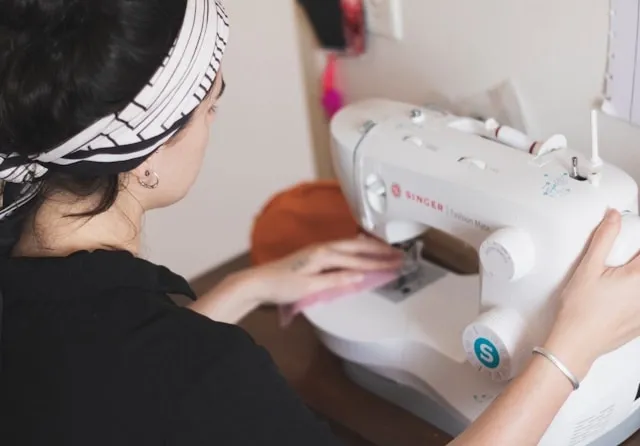
Different garments behave differently under the machine. When sewing patches on shirts, the fabric usually lies flat, making the process more forgiving. For jeans and sleeves, however, the process can be more difficult:
- Sewing a patch on jeans with a machine introduces thickness, which requires slower stitching and a stronger needle.
- Sleeves can be more challenging because of their shape. We sometimes rotate the garment or adjust positioning to keep the sewing area accessible.
Stability is essential, especially with stretch fabrics that can shift under the presser foot. Many choose to create a custom Gildan adult 50/50 t-shirt with a custom design rather than adding patches simply to avoid the DIY process.
Taking it slow and adjusting as needed makes the process manageable, even when the fabric does not cooperate perfectly.
Looking for an alternative to sew-on patches?
Our custom iron-on patches are a great option with easy application that can stand up to repeated use and washing.
Can You Sew An Iron-On Patch With A Sewing Machine For Permanent Hold?
Iron-on patches are convenient, but they are rarely permanent on their own. We often treat the adhesive as a temporary hold, then stitch around the edges for long-term durability. When learning how to sew on patches with a machine, this combination approach works well.
When it comes to this hybrid approach, it works like this:
- The iron helps position the patch quickly.
- Stitching reinforces it against washing and wear.
Over time, adhesive alone tends to weaken, especially on frequently worn garments. Even if you learn how to iron on patches properly, sewing adds that extra layer of security. It takes a bit more effort, but it prevents the patch from lifting at the edges later.
Why Is Your Sewing Machine Jamming While Attaching A Patch?
Jamming can feel frustrating, especially when everything seems set up correctly. In many cases, it comes down to small issues. An incorrect needle size, uneven thread tension, or improper threading can all cause problems when sewing on patches with a machine.
Other issues that could cause this problem include:
- Thick fabric layers bunching up under the needle, especially when working on denim.
- Lint buildup interfering with smooth operation.
Cleaning the machine and rethreading often solves more than expected. One study from 2023 demonstrated how optimizing sewing machine workflows improves productivity, so understanding how these issues develop can help.
Slowing down during stitching also reduces strain on both the fabric and the machine.
How To Finish Sewing A Patch Cleanly And Securely?
Finishing is where the work starts to look intentional. Once the stitching is complete, we usually backstitch a few times to lock the thread in place. That small step prevents unraveling later.
After that, trimming excess thread keeps things tidy. Here are a couple of other finishing tips:
- We always take a moment to inspect the edges, making sure there are no gaps or missed sections.
- A light press can help settle the fabric and give the patch a cleaner appearance. It does not take long, but it makes a noticeable difference.
Clean finishing often separates a rushed job from one that feels properly done.
Choose a large patch to sew on carefully
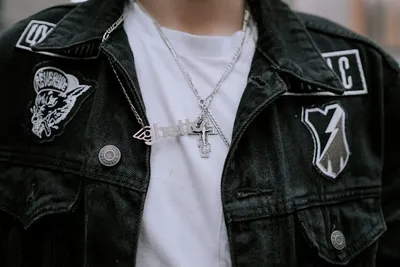
Our custom back patches are large accessories that add personality to your jackets, best for sewing machine applications.
Get startedIs It Better To Sew Patches By Hand Or With A Sewing Machine?
Both methods have their place, but they serve different needs. Sewing on patches with a machine tends to be faster and more durable, especially for larger or frequently worn items. Hand sewing offers more control, which can be helpful for delicate fabrics or tight spaces.
Understanding this helps you determine which option will work best for a specific project:
- We often use hand stitching when working close to seams or when the patch shape is unusual.
- Machine stitching feels more consistent once you get comfortable with it, but it is best preserved for more straightforward jobs.
It is not about one being better than the other, but about choosing the method that fits the garment and situation. Learn how to sew on military patches by hand and by machine for a full skillset.
What Is The Best Way To Sew On A Patch By Hand If Needed?
When switching to hand sewing, the approach becomes more deliberate. We often stitch into the merrow edge if the patch has one, which helps hide the thread and keeps the edges secure. This only works with some custom fun patches, however, as some lack the merrow edge.
For patches without that border, a tight whip stitch or running stitch works well. It takes more time than using a machine, but it offers precision in tricky areas.We usually work slowly, keeping the stitches even and close together. It is a method that feels a bit old-fashioned, yet it remains reliable, especially when machines are not practical for the task.
What Is A Patch Sewing Machine And Do You Need One?
A patch sewing machine is designed specifically for attaching patches, often with a rotating presser foot that allows movement in multiple directions. It is commonly used in industrial settings where speed and consistency matter.
For most people learning how to sew on a patch with a sewing machine at home, it is not necessary. Standard sewing machines handle patch work well with the right setup. While industrial machines offer precision and efficiency, they are more relevant for large-scale production.
For everyday projects, a regular machine provides enough control without the added complexity. Studies have evaluated the durability of machine-stitched seams under repeated washing and you will get the same results from a regular machine or a patch one.
Frequently Asked Questions About ' 'How To Sew On A Patch With A Sewing Machine'
How To Sew A Patch With A Sewing Machine?
We position and secure the patch, then stitch slowly around the edge using a suitable stitch. Proper setup and steady movement make the biggest difference.
Which Stitch Type Works Best For Sewing A Patch?
A narrow zigzag offers strong hold, while a straight stitch gives a cleaner look. The choice depends on patch thickness and visibility preference.