Chenille Vs Embroidery: What’s The Difference And Which Is Better?
The choice between a fuzzy varsity letter and a crisp stitched logo stalls plenty of patch orders. Both methods start with thread, yet the results could hardly look more different. In this guide, we compare chenille vs embroidery across manufacturing, cost, durability and everyday use, so you can match the method to the job instead of guessing.


Key Takeaways
- Chenille patches build a plush, raised texture from looped yarn and suit big letters and simple shapes, while embroidery stitches fine thread for crisp, detailed artwork.
- Well-made embroidery handles frequent washing better. Chenille lasts for years on a jacket, but its raised loops snag and flatten more easily under rough treatment.
- Cost follows size, detail and quantity more than the method itself, so request matching quotes for both before you commit to either one.
- We supply high-quality custom chenille and embroidered patches that you can personalize with your own artwork, colors, shapes and backing options at a price that works for you.
Table of contents
-
Chenille Vs Embroidery
-
How Do Chenille And Embroidery Patches Differ During Manufacturing?
-
Which Option Delivers Better Production Efficiency For Large Orders?
-
How Do Chenille And Embroidery Compare In Cost?
-
Which Patch Is More Durable And Washable?
-
How Do You Choose Between Chenille And Embroidery?
-
How Can Chenille And Embroidery Enhance Product Value And Brand Identity?
Chenille Vs Embroidery
Chenille and embroidery are the two classic ways to decorate garments with thread, and the difference comes down to texture versus detail. Chenille builds a raised, fuzzy surface from looped yarn. Embroidery lays flat, tight stitches that hold fine lines and small text.
Each owns its own territory in apparel. Chenille dominates letterman jackets, school apparel, and vintage sportswear, while embroidery covers most of the rest: uniforms, caps, polos, bags and branded merchandise.
The construction gap explains the look. A chenille patch loops thick yarn into a felt base, while an embroidered patch locks thin thread through a twill backing. Below, we compare how each is made, what each costs, how each survives the wash, and where each belongs.
| Factor | Chenille | Embroidery | Our Pick |
|---|---|---|---|
| Texture | Plush, raised pile | Flat, tight stitches | Chenille for touch appeal |
| Detail | Large, simple shapes only | Small text and sharp lines | Embroidery |
| Washability | Gentle cycles, air dry | Handles frequent washing | Embroidery |
| Statement value | Bold from across a room | Polished up close | Chenille for spirit wear |
| Typical homes | Letterman jackets, spirit wear | Uniforms, hats, workwear | Match to the garment |
What Is A Chenille Patch?
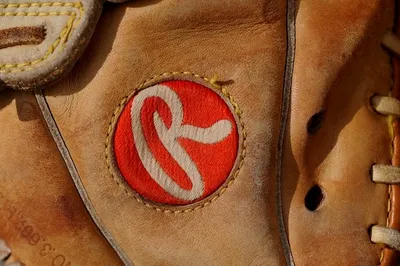
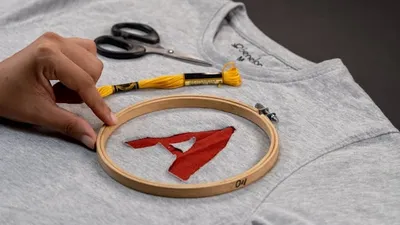
A chenille patch is made from looped or tufted yarn stitched into a felt base, which creates a soft, carpet-like surface. The name is the French word for caterpillar, and the tufting handcraft behind it was revived in the 1890s near Dalton, Georgia - tufted pieces were selling in department stores by the 1920s.
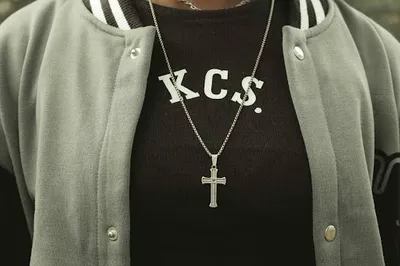
That plush pile is why the style is tied so strongly to varsity letters, letterman jackets, and school emblems, along with sportswear and vintage-styled pieces.
Thick yarn is both the strength and the limit. It fills large letters, numbers and borders quickly, but small text sinks into the fuzz. We've found that lettering under about an inch tall starts to lose its shape in the pile, so keep custom chenille patches big and uncomplicated.

What Is Regular Embroidery?
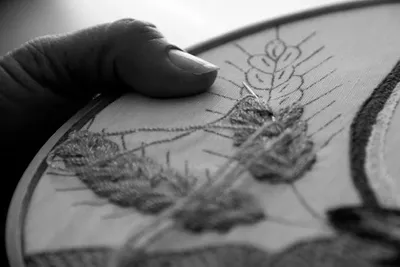
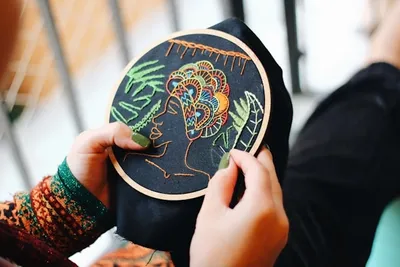
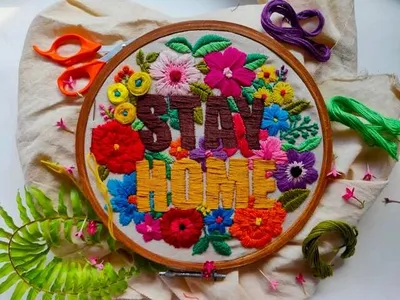
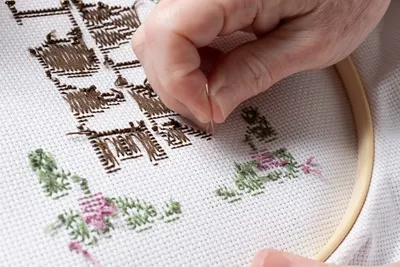
Regular embroidery stitches fine threads directly onto fabric or a twill patch base. Machines lay satin stitches for borders and lettering, fill stitches for solid areas, and running stitches for outlines, which keeps edges crisp and details controlled. Academic research classifies machine-embroidery stitch lines according to their structure, appearance and application, supporting the role stitch selection plays in achieving different design effects.
When people ask how chenille embroidery differs from regular embroidery, the answer is the yarn itself: chenille machines loop thick yarn to build texture, while regular machines lock thin thread flat for precision.
That precision suits small lettering, detailed logos, sharp curves, gradients and multicolor artwork. Coverage runs in levels - 50%, 75%, or 100% of the surface stitched - and full coverage gives the richest look. You see custom embroidered patches on uniforms, hats, polo shirts, workwear, bags and corporate merchandise for exactly this reason.
Want that plush varsity look on your jacket?
Work with us to create custom chenille patches with your letters, numbers, or mascot in the colors and sizes you want at competitive prices.
How Do Chenille And Embroidery Patches Differ During Manufacturing?
Both patch types start from a digitized artwork file - your design converted into machine instructions - but the equipment parts ways from there. Chenille equipment feeds thick acrylic or cotton yarn through a needle that loops it into a felt base, pass after pass. Embroidery equipment drives thin polyester or rayon thread through twill at high speed.
Digitizing differs just as much. An embroidery digitizer sets stitch types, direction and density, and a study from 2020 found that stitch density and thread thickness directly change the weight of the finished embroidered fabric. Chenille digitizing maps loop paths instead, which caps how small any element can get. Research on computerized embroidery also shows that fabric properties and mechanical forces during stitching can affect how closely the finished embroidery matches its digital design.
Those mechanics write the design rules. Yarn and needle size set a high floor on chenille detail, while embroidery's floor sits low enough for fine print.
How Are Chenille And Embroidered Patches Produced?
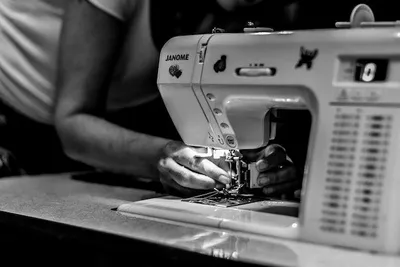
Production comes down to tufted loops versus interlocked stitches. A chenille machine builds rows of yarn loops that stand up off the felt, while an embroidery machine locks each stitch flat against the backing thousands of times per design.
Finishing then seals the work. Chenille pieces usually get a stitched border to protect the pile edge, while embroidered pieces take a merrowed border - a wrapped, overlocked edge - or die cut and hot cut edges for custom shapes. Both accept iron-on, sew-on, hook-and-loop, or adhesive backing.
Quality control runs through every stage: consistent loop height, even thread tension, clean trims. We send a digital proof before production starts, so the patch you approve is the patch the machines run.
Which Option Delivers Better Production Efficiency For Large Orders?
For large orders, embroidery usually delivers higher throughput, especially on detailed, multicolor designs. Multi-head embroidery machines run many patches at once from a single digitized file, which keeps a big batch consistent from first piece to last.
On big, simple shapes, chenille holds its own, since thick yarn covers area fast. The extra border and finishing work adds handling time on bulk runs, though, so plan for it.
Lead times are close either way: our standard turnaround is 5-7 business days after proof approval for both methods. In the orders we run, the schedule risk is rarely the machine - it is artwork revisions, so lock your design and colors early.
Work with us on custom wholesale patches and we can hold one standard across an entire bulk order, with generous bulk discounts for teams, schools, brands and events.
Which Decoration Method Is Better For Oem Garment Manufacturing?
For OEM production - making garments sold under another brand's label - pick by garment mix and target price, not by look alone. Embroidery suits programs that span caps, polos and knits because it adapts to nearly any panel and hits lower unit costs at volume.
By contrast, chenille earns its place on statement pieces: varsity jackets, heavyweight hoodies, collection anchors where a plush emblem justifies a premium retail price.
Weight matters too. A chenille patch is thick and heavy, so it needs sturdy base fabric - wool, fleece, denim - while embroidery tolerates lighter garments. Sample both on your actual garment before committing a production line.
Need crisp detail for a logo or small text?
Our custom embroidered patches capture fine lines, lettering, and shading in any design you want, with full control of shape, colors, and backing.
Learn moreHow Do Chenille And Embroidery Compare In Cost?
Neither method is automatically cheaper - price follows size, detail and quantity. Embroidery pricing tracks stitch count, so a dense, complex logo costs more than a simple mark at the same size. Chenille pricing tracks size and color changes, since yarn covers area in broad passes and detail barely registers.
Both carry setup work: artwork gets digitized before the first patch runs. Spreading that one-time effort across more pieces is why per-piece prices fall as quantity climbs, and why very small orders carry the highest unit cost in either method.
We've noticed buyers assume the fuzzy patch always costs more. In practice, order shape matters more than method: a simple oversized chenille letter and a small, dense embroidered crest can land surprisingly close on a quote.

Which Option Offers Better Value For Your Budget?
Value is total cost against the job the patch does, not the sticker price alone. Chenille earns its money on retail merchandise, where plush texture reads premium and lifts what the garment can sell for. Embroidery stretches a budget across quantity, which is why it wins for uniforms and giveaways.
Pick chenille when texture is the selling point. Pick embroidery when you need many detailed pieces at a controlled unit price.
A side-by-side test settles it: request quotes for the same size, quantity and backing in both methods. With us you can submit artwork and review a free digital proof before paying anything, so comparing costs you nothing.
Outfitting a letterman jacket for the season?
We make custom chenille patches for letterman jackets that match your school colors, from single letters to full mascot designs, in classic varsity styles.
Which Patch Is More Durable And Washable?
Well-made embroidery is the safer choice for anything washed often - uniforms, workwear, team kit. Tight, flat stitches on a twill base stand up to repeated laundry cycles that would gradually mat a chenille pile.
Chenille is not fragile - a quality piece lives for years on a jacket - but its raised loops are more exposed. They snag on rough surfaces, flatten under abrasion, and hold moisture longer after a wash. A study from 2005 measured chenille fabric under abrasion testing and found mass loss climbing as the pile got longer, which is the lab version of what shows up on heavily worn sleeves.
Construction moves durability as much as method does: base fabric, backing, edge finish, attachment and care all count. For wash-heavy garments, stitching beats adhesive - our guide on how to sew on a patch covers the strongest ways to do it.
How Can You Make Chenille And Embroidered Patches Last Longer?
One short routine protects both patch types:
- Turn the garment inside out and wash cold on a gentle cycle, or hand wash.
- Skip the dryer. Air dry flat - high heat weakens iron-on adhesive and mats chenille pile.
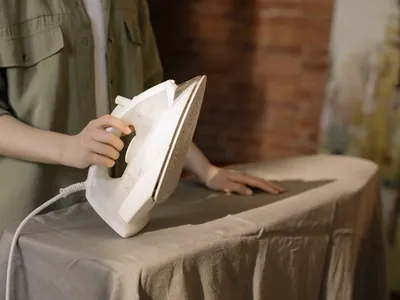
- Never press an iron onto chenille. For iron-on application and refreshes, cover the area first; our guide to ironing patches with parchment paper shows the safe method.
- Lift the pile on textured patches with a soft brush after washing. A lint brush does more for a chenille letter than any product we could sell you.
- Store flat, away from anything that catches loops.
No routine makes a patch bleach-proof, so keep chlorine away from both types. The effort pays past the patch itself: extending clothing life by nine months can cut a garment's carbon, water, and waste footprints by up to 20%, according to WRAP research - reason enough to wash cold and skip the dryer.
How Do You Choose Between Chenille And Embroidery?
Choose by application, not trend. Big, simple, tactile, nostalgic points to chenille. Small, detailed, professional, wash-heavy points to embroidery. Run your decision through four filters:
- Design complexity - fine text or gradients rule out chenille.
- Garment type - heavy jackets carry chenille; light knits and caps favor embroidery.
- Texture goal - do you want the patch felt or just seen?
- Audience - school spirit reads chenille; corporate polish reads embroidery.
You do not always have to pick one. Hybrid patches stitch embroidered detail into a chenille base - a mascot's face rendered sharp inside a plush letter - and we produce embroidered chenille pieces for exactly that job.
Which Technique Works Best For Different Applications?
Match the method to the job the garment does:
- Uniforms and workwear - embroidery, for wash resistance and crisp identification.
- Varsity apparel - chenille. For varsity jackets it is the classic answer, with embroidery reserved for name bars and crest details.
- Fashion and streetwear - either; chenille when texture is the statement.
- Sportswear - embroidery, since it gets laundered after every session.
- Promotional products - embroidery, for controlled unit cost at volume.
Then judge viewing distance and scale. A patch read across a gym needs chenille's bold mass; a patch read at arm's length rewards embroidered detail. Print the design at actual size and look at it from both distances before ordering.
Ordering patches for a whole team or brand?
Our custom wholesale patches come with generous bulk discounts, a free digital proof, and consistent quality across every piece in your order.
Get startedHow Can Chenille And Embroidery Enhance Product Value And Brand Identity?
Decoration changes what customers believe a product is worth before they check the price tag. A dimensional patch signals real production effort in a way flat printing rarely matches, and we've seen brands lean on that effect to position patched pieces as premium items.
The two methods carry different associations. Chenille reads retro and collegiate - campus heritage, mid-century sportswear. Embroidery reads professional and established, which is why it anchors corporate uniforms.
Research from 2006 found customers willing to pay premiums of more than 100% for products they designed themselves with online toolkits, and a custom patch is one of the simplest ways to give customers that sense of ownership.
Durability feeds long-term value too. We've seen stitched patches outlast the printed graphics around them, and a sew-on piece can move to a new garment when the old one wears out - choose sew-on backing if you want that option open.

Which Decoration Technique Best Supports Modern Brand Trends?
Right now, chenille letters are showing up on hoodies, caps and college-style jackets, and buyers keep asking for textured, premium finishes on merchandise. Demand for personalization is steady across both methods - customers want their own name, year, or design rather than a stock graphic.
Align the method with your brand position instead of chasing the moment: heritage and campus energy suit chenille, while clean corporate identity suits embroidery.
Work with us to bring either direction to life - our custom varsity letter patches come in your colors and sizes at competitive prices, with bulk discounts for team and merch runs.
Frequently Asked Questions About Chenille Vs Embroidery
What Are The Key Differences Between Embroidered And Chenille Patches?
Texture and detail. Chenille builds a plush, raised surface from looped yarn and suits big, simple designs, while embroidery lays flat stitches that hold small text and fine detail.
How Does The Manufacturing Process Differ For Chenille And Embroidery Patches?
A chenille machine loops thick yarn into a felt base to build a raised pile, while an embroidery machine locks thin thread through twill using digitized satin, fill, and running stitches.